“Dermatology Volunteer” Small Steps in Strengthening Community Skin Health
In the heart of Bangkok’s informal settlements, residents face a daily struggle with health risks and limited access to specialized healthcare services. While often overlooked, skin diseases pose a significant economic threat to low-income individuals; spending a day at the clinic can mean losing essential daily income.
Gaps in the Healthcare System
Although Thailand’s public healthcare system is internationally recognized, the imbalance between the number of medical specialists and the size of the population remains a major challenge—particularly in dermatology. According to a survey by the Health Systems Research Institute (HSRI), the ratio of dermatologists nationwide is approximately one dermatologist per 400,000 to 1.5 million people, with most concentrated in the private sector.[1]
[1] Health Systems Research Institute. (2024, May 20). HSRI and the National Skin Institute develop primary health care innovation to improve dermatologic services for the elderly. Retrieved from https://www.hsri.or.th/media-issue/636.
As a result, it is highly unlikely that primary healthcare facilities have sufficient dermatologists to provide effective diagnosis, treatment, and continuous care—especially for elderly populations dispersed across the country. Consequently, most people, particularly those with low incomes, have little to no opportunity to consult dermatology specialists.
Bridging the Gap
In response to this gap, Kenan Foundation Asia, with support from CeraVe under L’Oréal (Thailand) Co., Ltd., launched the Care for All: Volunteers for Healthy Skin project to build a “bridge of opportunity” between medical specialists and local communities. The initiative focuses on strengthening the capacity of nurses and Bangkok Metropolitan Administration (BMA) community health volunteers (CHVs) in five pilot locations: Din Daeng, Khlong Toei, Ratchathewi (Makkasan), Prawet, and Khan Na Yao.
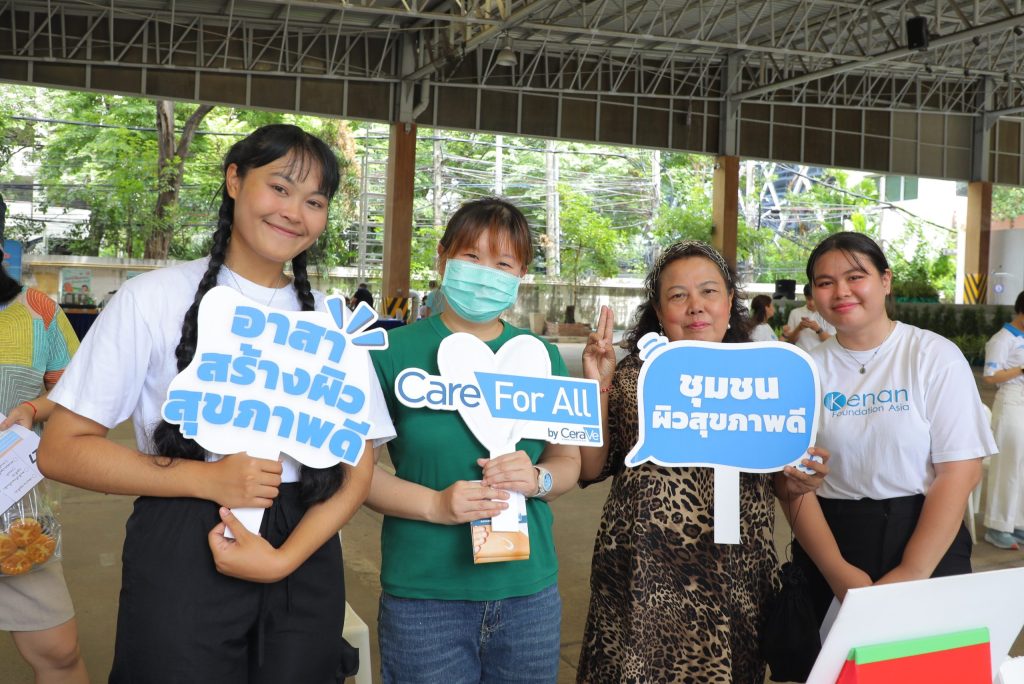
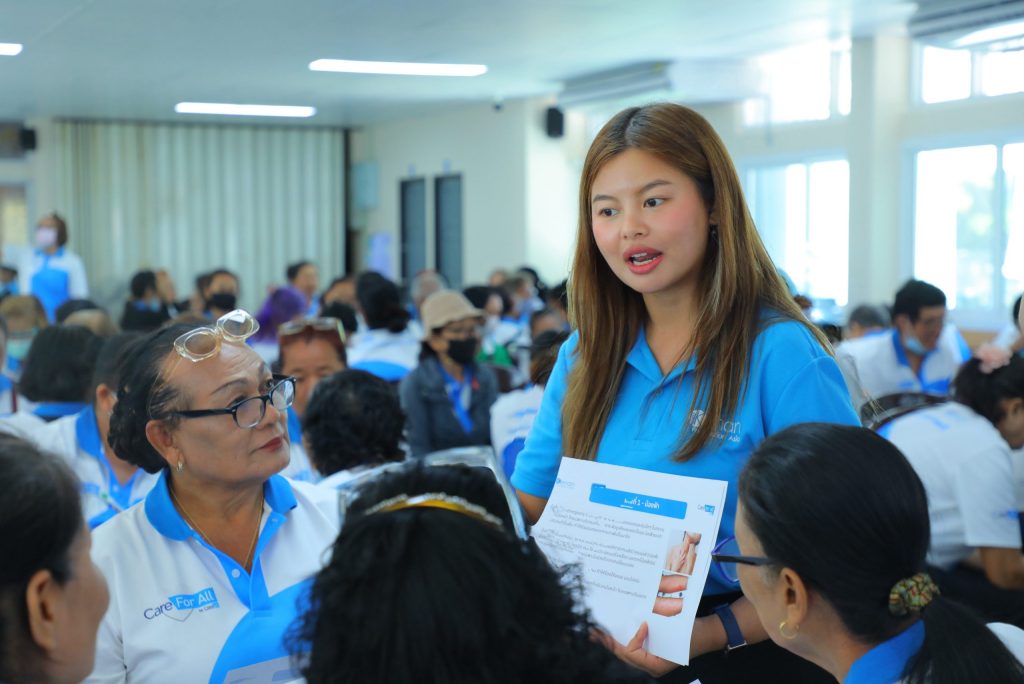
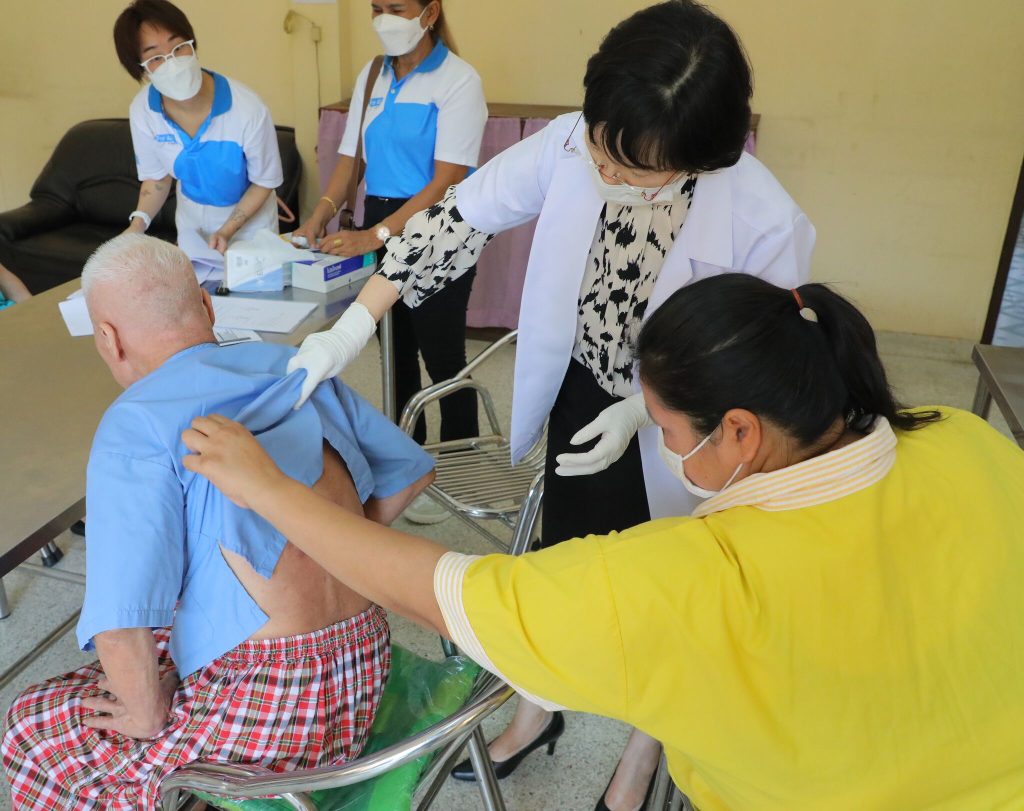
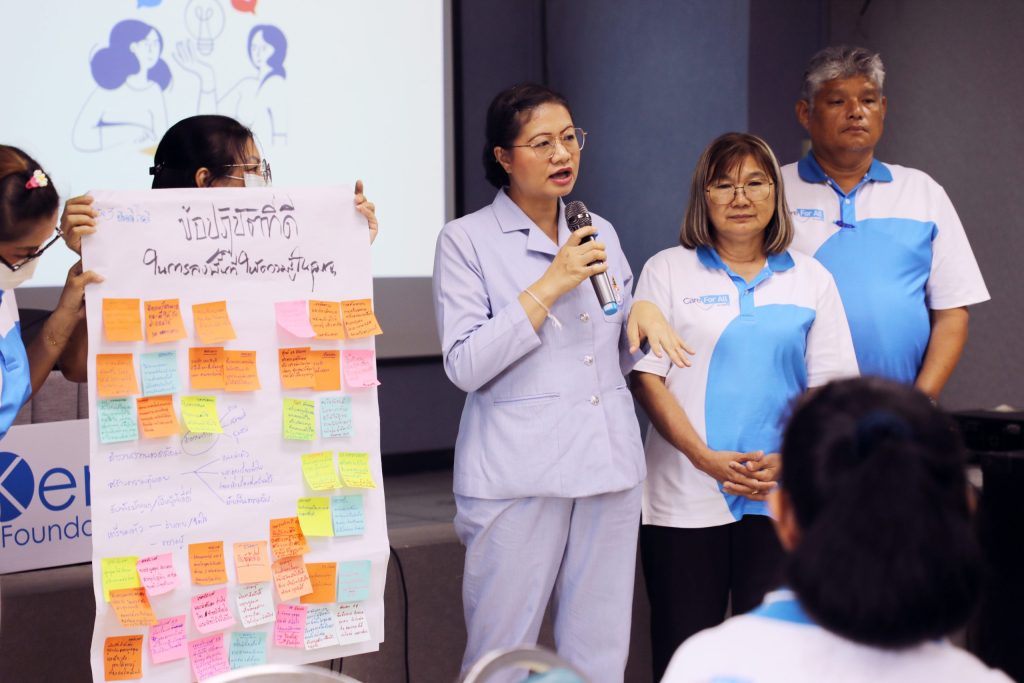
Through mobile health outreach conducted in collaboration with the BMA under the “Bangkok Cares: Health for All” program, more than 783 people received skin health screening and consultations directly from dermatologists. In addition, over 582 doctors, nurses, CHVs, and healthcare personnel were trained through online webinars and hands-on workshops, empowering them to serve as frontline providers of knowledge and continuous care within their communities.
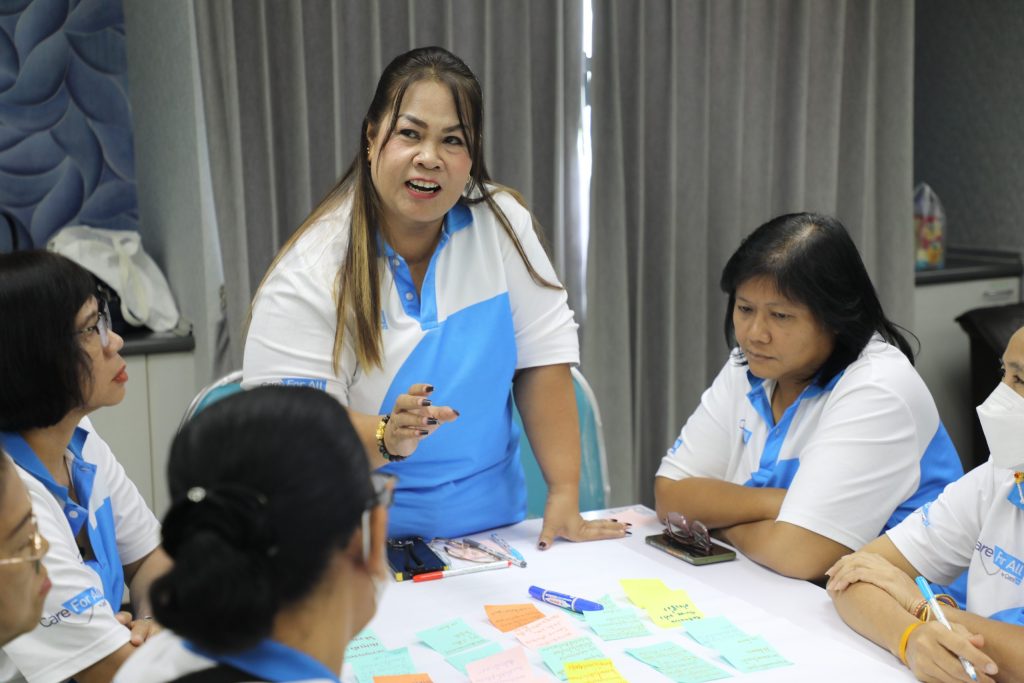
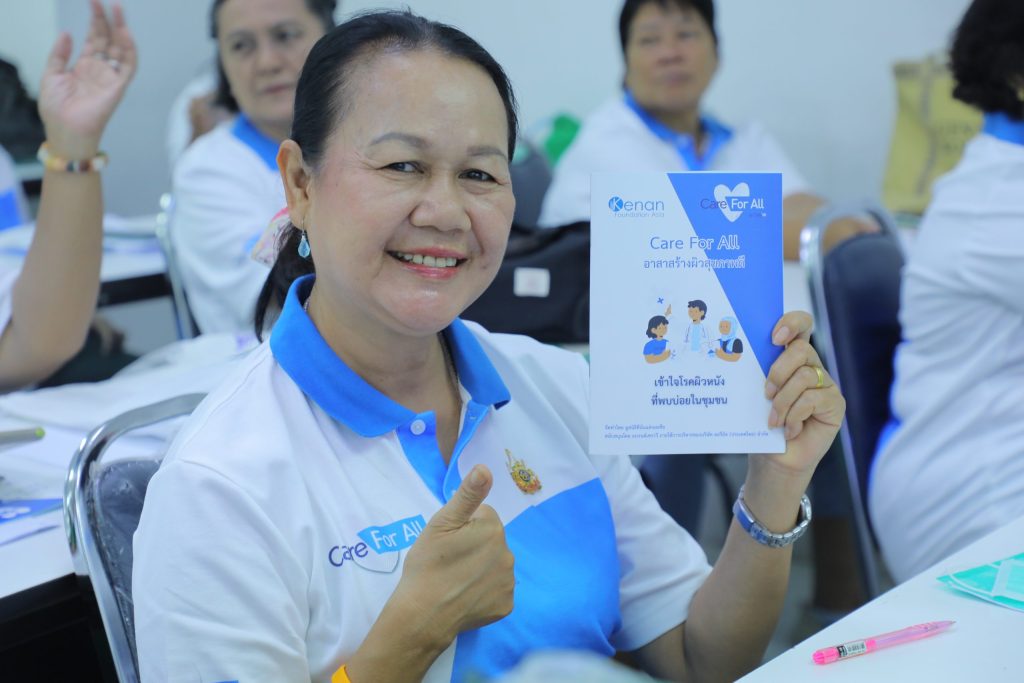
Dry skin is a major issue in our community, especially among the elderly. In the past, I didn’t feel confident giving advice. This time, I went in with confidence—able to explain, recommend, and communicate clearly to community members we identified as having skin problems.
Ms. Putsadee Panloed
Head of community health volunteers from Public Health Center 57 Boonruang Lamlaert, Prawet District
Putsadee also shared the case of an 83-year-old elderly man with diabetes who developed a severe infection in a wound due to improper care: “When we found him, we realized there was a serious problem and advised him to see a doctor. After follow-up, it turned out the infection was caused by improper use of povidone-iodine, which led to tissue removal. He had to stay in the hospital for four months, and many thought he wouldn’t survive. Today, he has fully recovered and returned home because we were able to identify the issue, provide guidance, assess the situation, and lead him to proper treatment.”
Across the other side of Bangkok, Ms. Chaaum Khaithong, a CHV from Na Thong Community in Din Daeng District, shared how new knowledge helped her reach bedridden patients more effectively: “Before, we couldn’t go and take care of them because they felt embarrassed and didn’t want anyone to see them. But once we had proper knowledge and visual materials, they understood and opened up. Now I visit them four times a month, and their skin conditions have improved significantly.”
Ms. Pimsiri Phubantad, Project Manager at Kenan Foundation Asia, emphasized the importance of proactive, community-based approaches: “CHVs trained through this project are the heart of knowledge transfer and community care—especially for vulnerable groups with limited access to dermatological services. Through proactive outreach and support from local public health centers, collaboration with the BMA, the Department of Older Persons (DOP), and expert dermatologists from CeraVe, we are able to deliver more comprehensive and equitable skin health care.”
Expanding Impact to Older Persons Nationwide
Ms. Natcharee Noijangplang
Registered Nurse, Public Health Center 2, Ratchathewi District
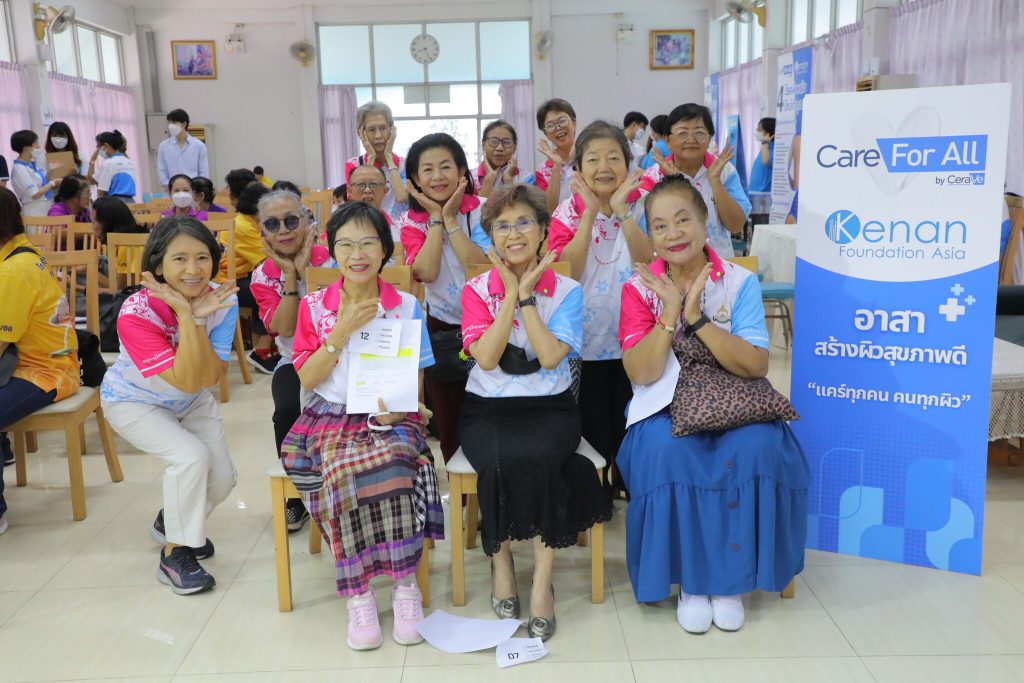
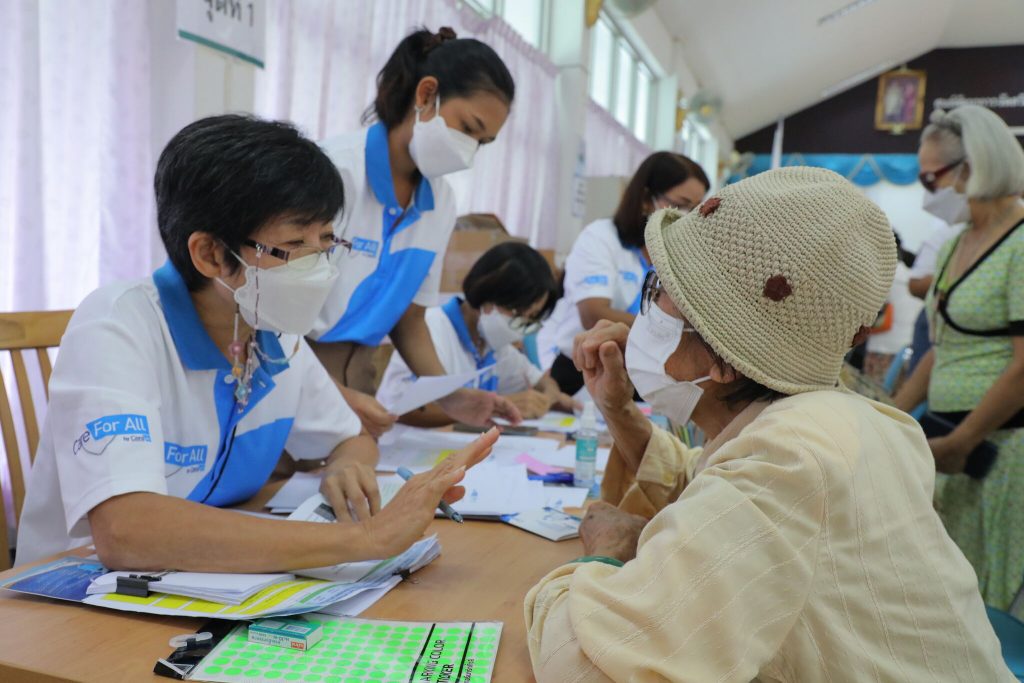
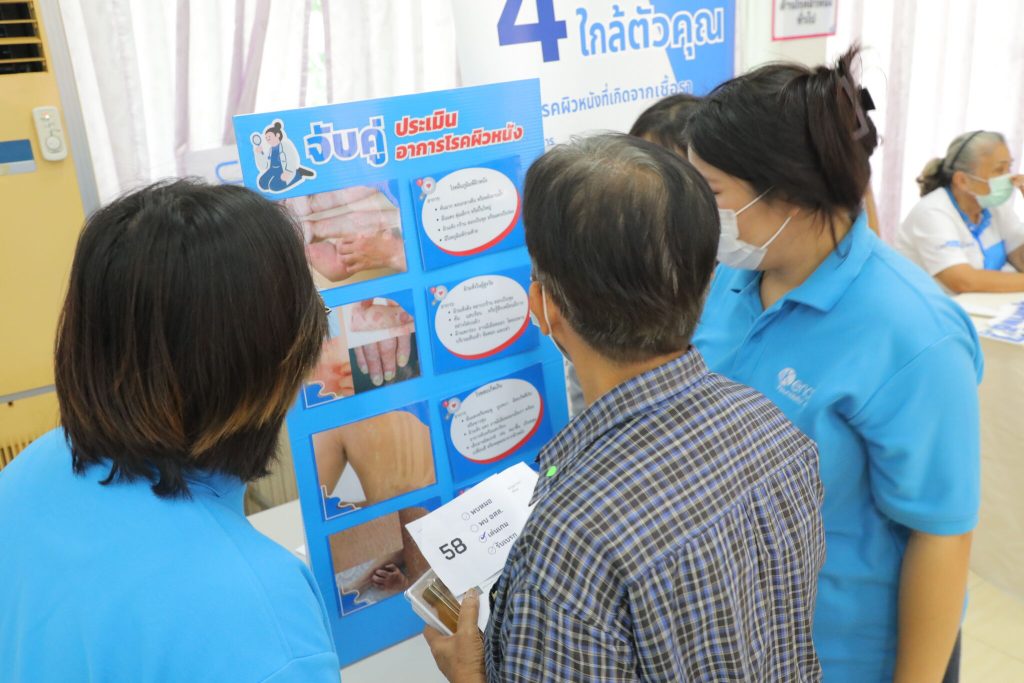
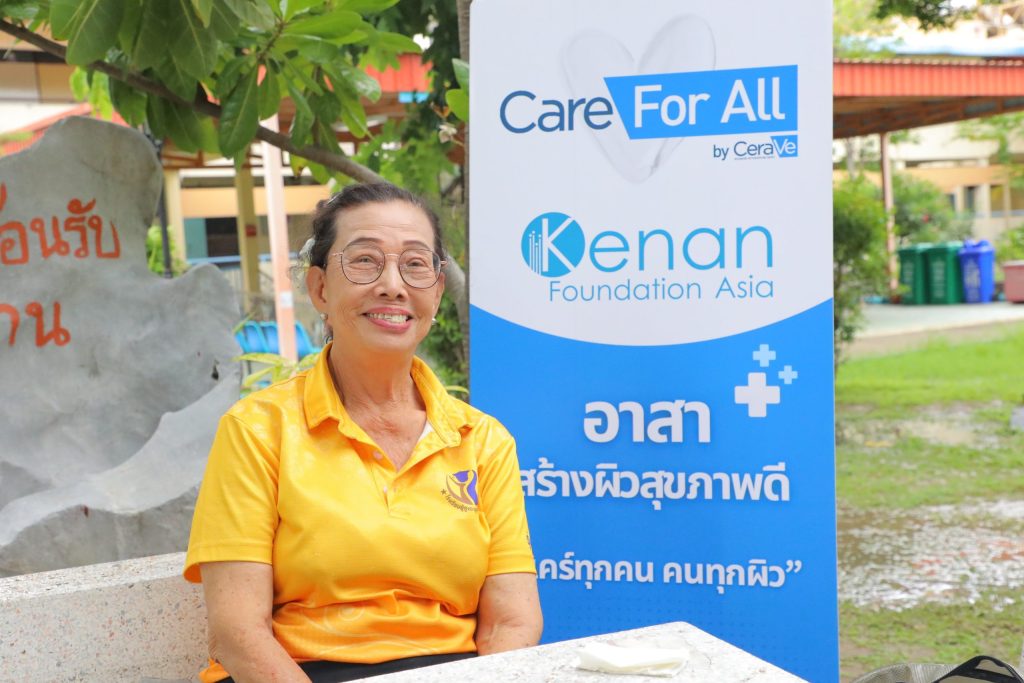
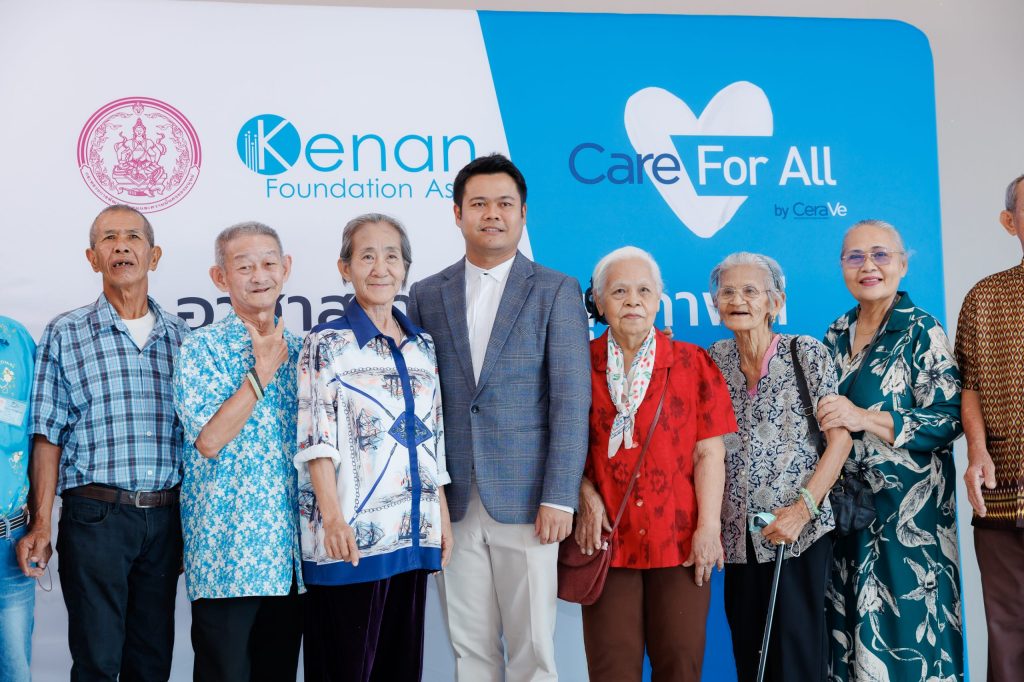
Ms. Dahla Semathat, a 70-year-old participant from Bang Khun Thian Senior School, shared: “Sometimes the itching was so bad and I had to stop working. Allergy medication made me drowsy, and I couldn’t drive. Joining this activity gave me so much knowledge—how to take care for my skin. It feels warm here, like being with friends, and the staff truly understand older people.”
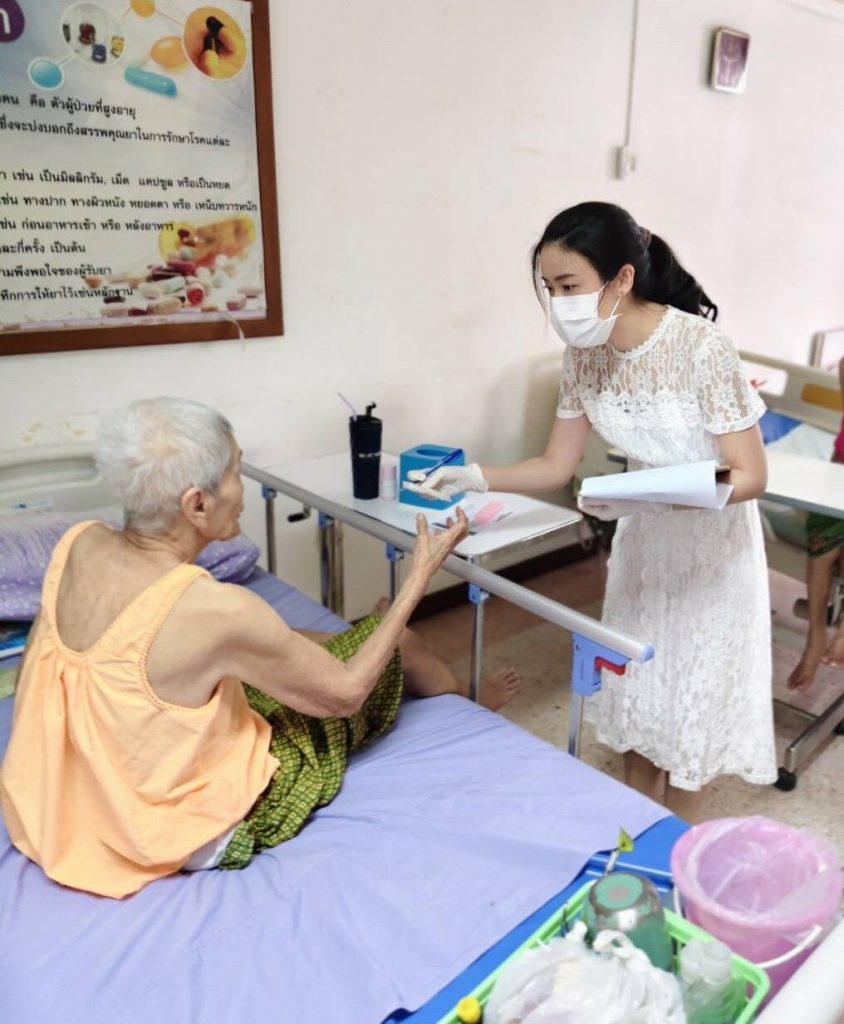
Meanwhile, Ms. Pannika Thammaphan, a nurse at Bang Khae Home, highlighted the importance of continued support: “I hope this activity can be organized every year. Our team cannot take elderly people without ID cards to see doctors, and medical expenses are also a barrier. We don’t have the budget to support this.” With over 200 elderly residents under care—many bedridden—and only four nurses, the project’s support has been a critical reinforcement, easing the workload and expanding access to care.
From Knowledge to Life-Changing Impact
Beyond knowledge, the project has fostered confidence and hope within communities. Trained CHVs and nurses are now able to effectively pass on practical knowledge—from bathing and moisturizing to identifying warning signs of skin conditions. Many report that community members are more proactive in caring for their skin and more willing to seek medical attention early—reducing hospital burdens while strengthening community resilience.
Acting Sub-Lt. Nittaya Sitasen
Registered Nurse, Public Health Center 41, Khlong Toei
Over 18 months, the project has demonstrated the power of proactive skin health education. Through continuous engagement, online networks, and knowledge-sharing activities, the team has strengthened collaboration and sustained outreach to vulnerable groups. As Acting Sub-Lt. Nittaya emphasized: “Once we develop community leaders, we must disseminate knowledge to the public to ensure the sustainability and strength of our project.”
Toward a Society Where “Everyone Has Equal Access to Skin Health Care Services”
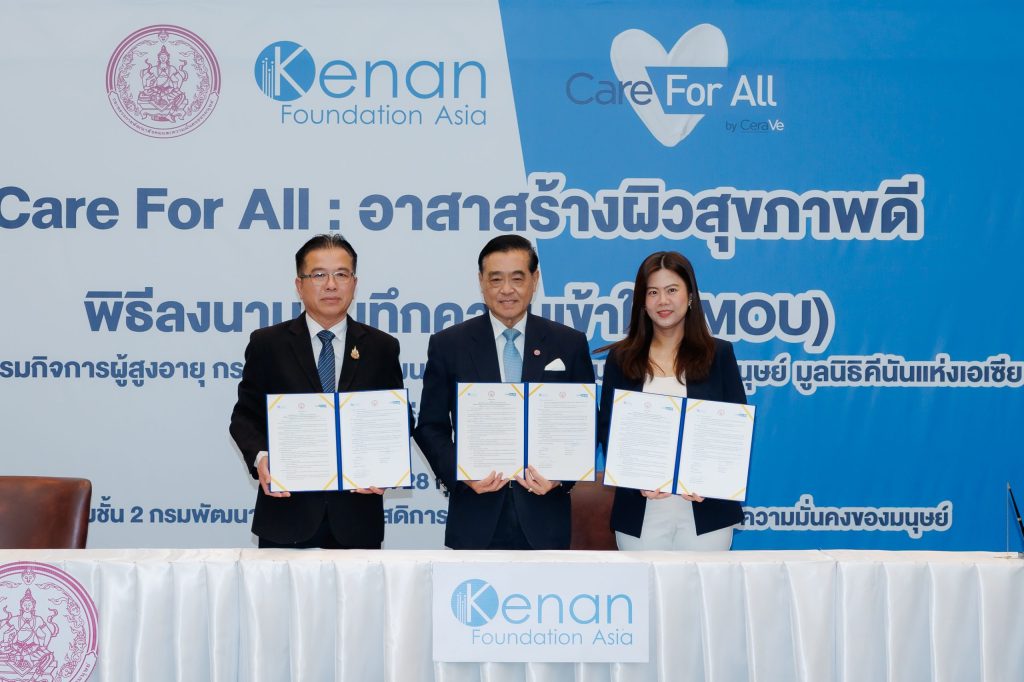
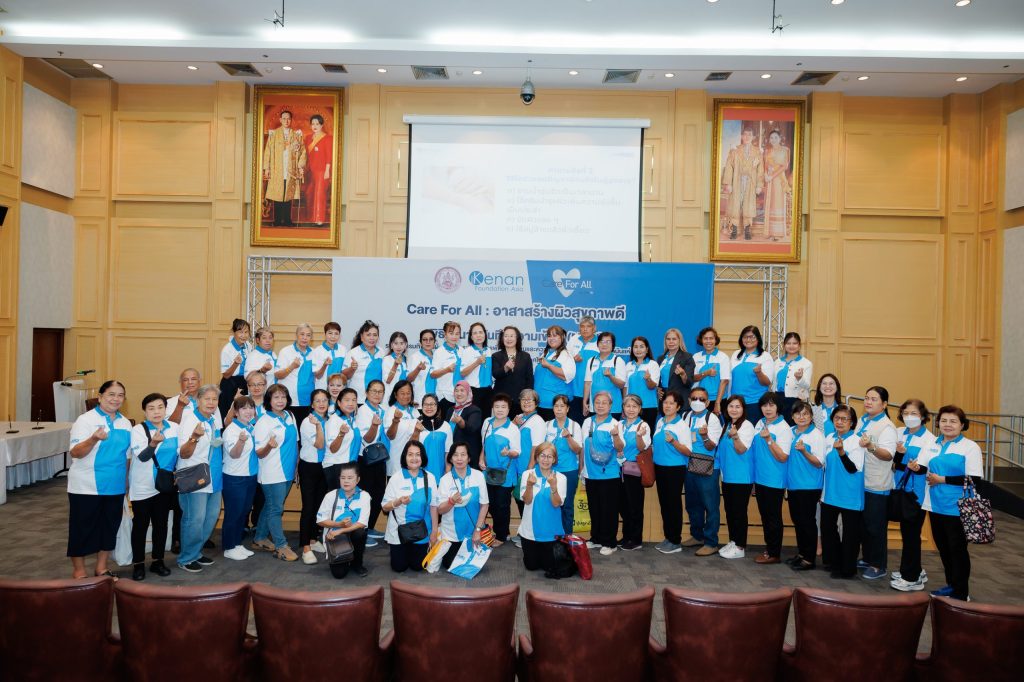
From a small group of volunteers in five pilot areas to national-level collaboration with the DOP and the Bangkok Metropolitan Administration, Care for All: Volunteers for Healthy Skin is expanding equitable access to skin health knowledge and care for older persons and vulnerable populations.
Because healthy skin is not just about appearance—it is about quality of life, dignity, and the ability to live confidently at every age. These small volunteer efforts generate profound change: turning caring hands into healthier skin, and moving us toward a society where no one is left behind.