Background
The Context: Asia will create 229 million new jobs by 2030. The majority will require digital fluency, analytical thinking, and working knowledge of sustainable systems; skills that are currently absent from most public-school curricula across the region.
The Challenge: Thailand and Vietnam introduced STEM frameworks in 2012, but more than a decade later, uptake remains largely limited to private and alternative schools. Public schools continue to face underfunding, rigid curriculum structures, and a shortage of educators trained to teach beyond rote instruction.
In Thailand
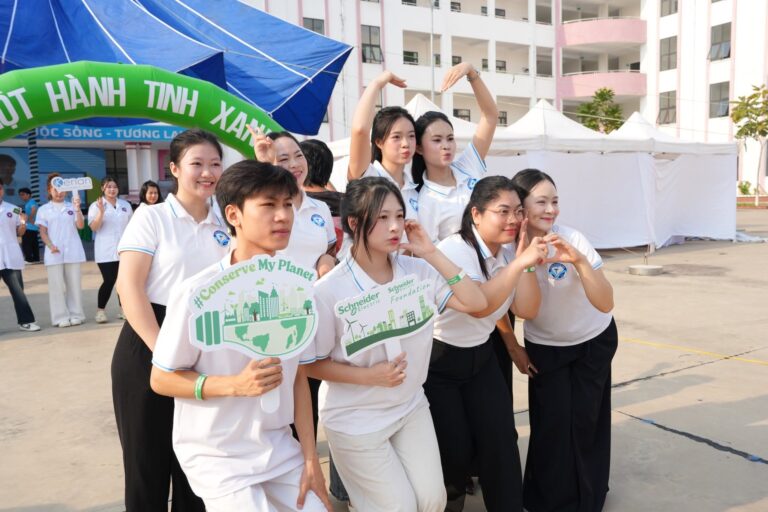
The Conserve My Planet initiative embeds environmental sustainability and energy conservation into Thailand’s secondary education system. Implemented by Kenan Foundation Asia with support from Schneider Electric and Schneider Electric Foundation, this two-year program strengthens teacher capability through Enhanced Project-Based Learning (ePBL) training, localized curriculum development, and Professional Learning Community (PLC) mentoring to support continuous instructional improvement. The program integrates 21st-century skills—critical thinking, collaboration, creativity, and problem-solving—through STEM-based experiential learning. By equipping 110 secondary school teachers and engaging 13,200 students across Rayong and Chonburi, the initiative builds foundational green competencies including energy literacy, systems thinking, and sustainable decision-making, while enabling student-led environmental action projects that address authentic community challenges. The initiative further contributes to regional green workforce readiness through alignment with the Mekong Green Skills Accelerator, supporting long-term green skills development across Southeast Asia.
In Vietnam
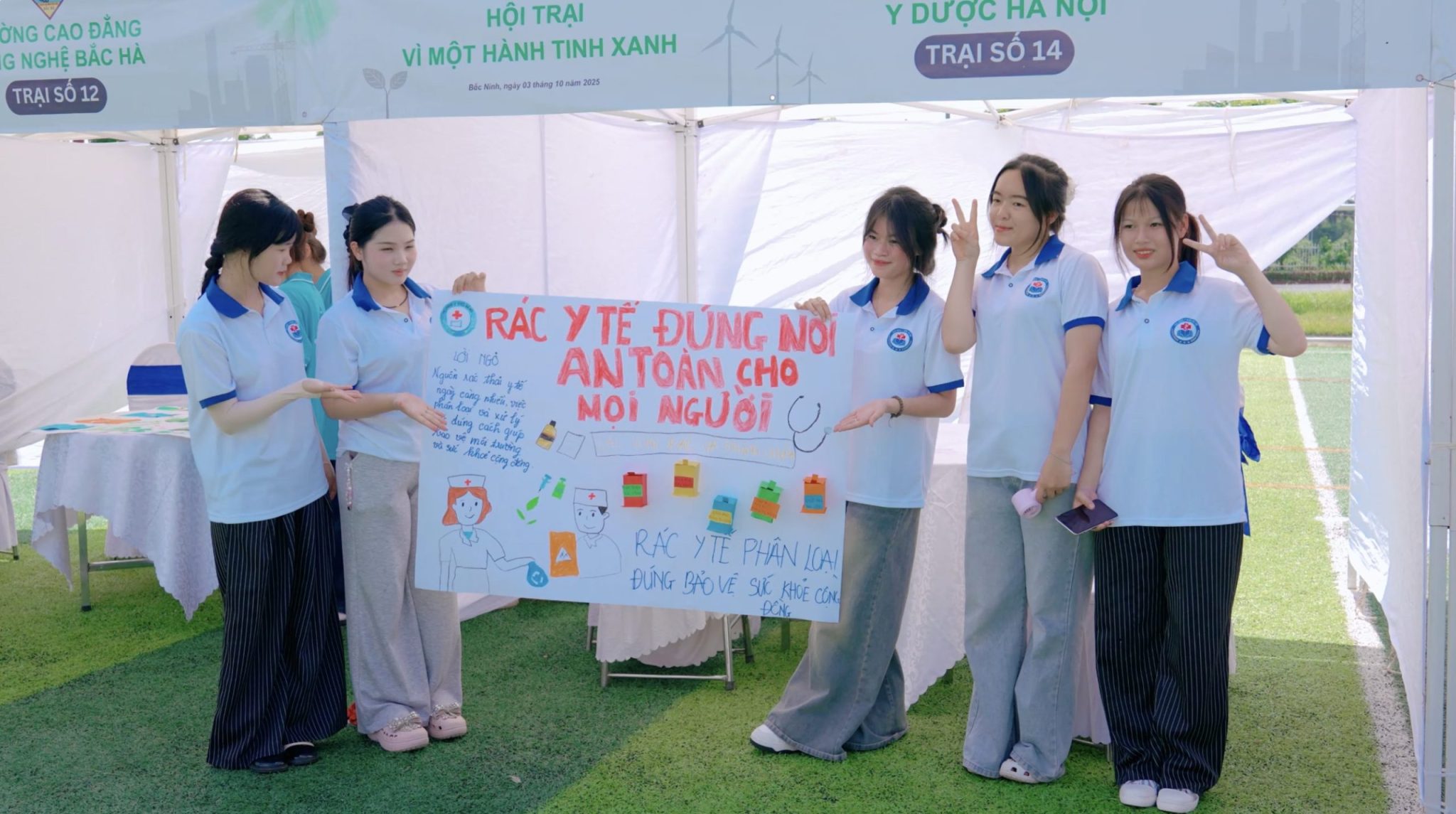
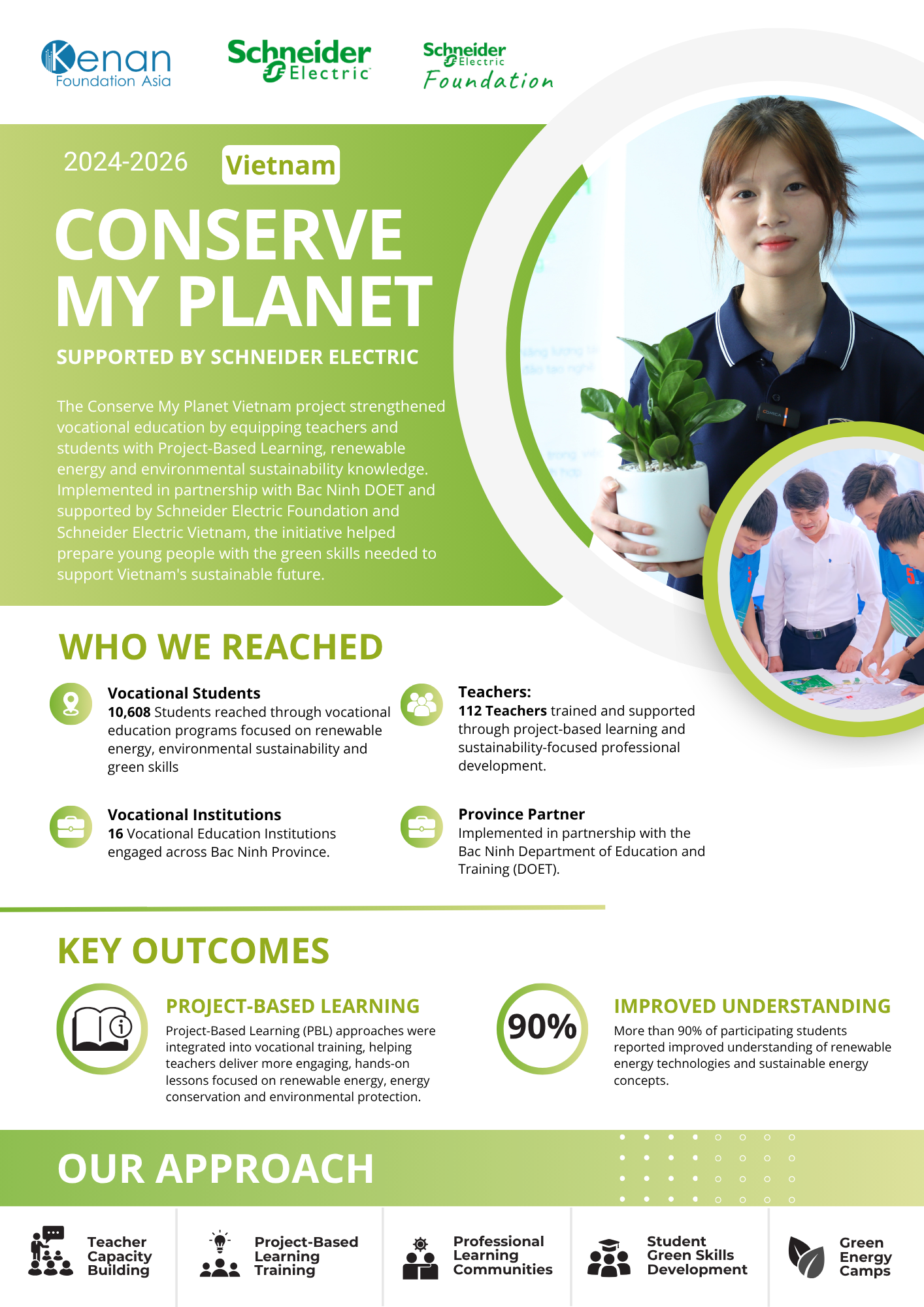
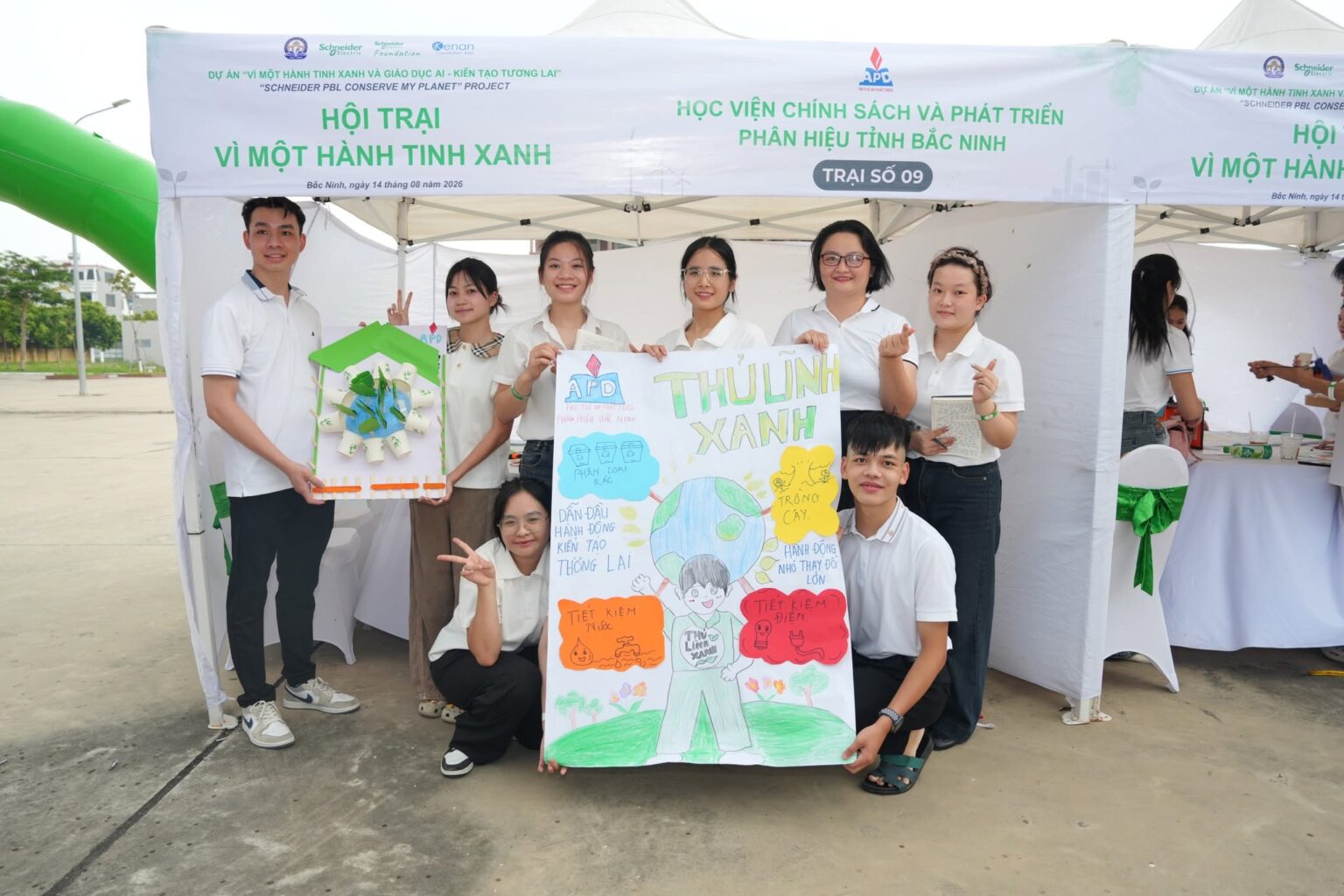
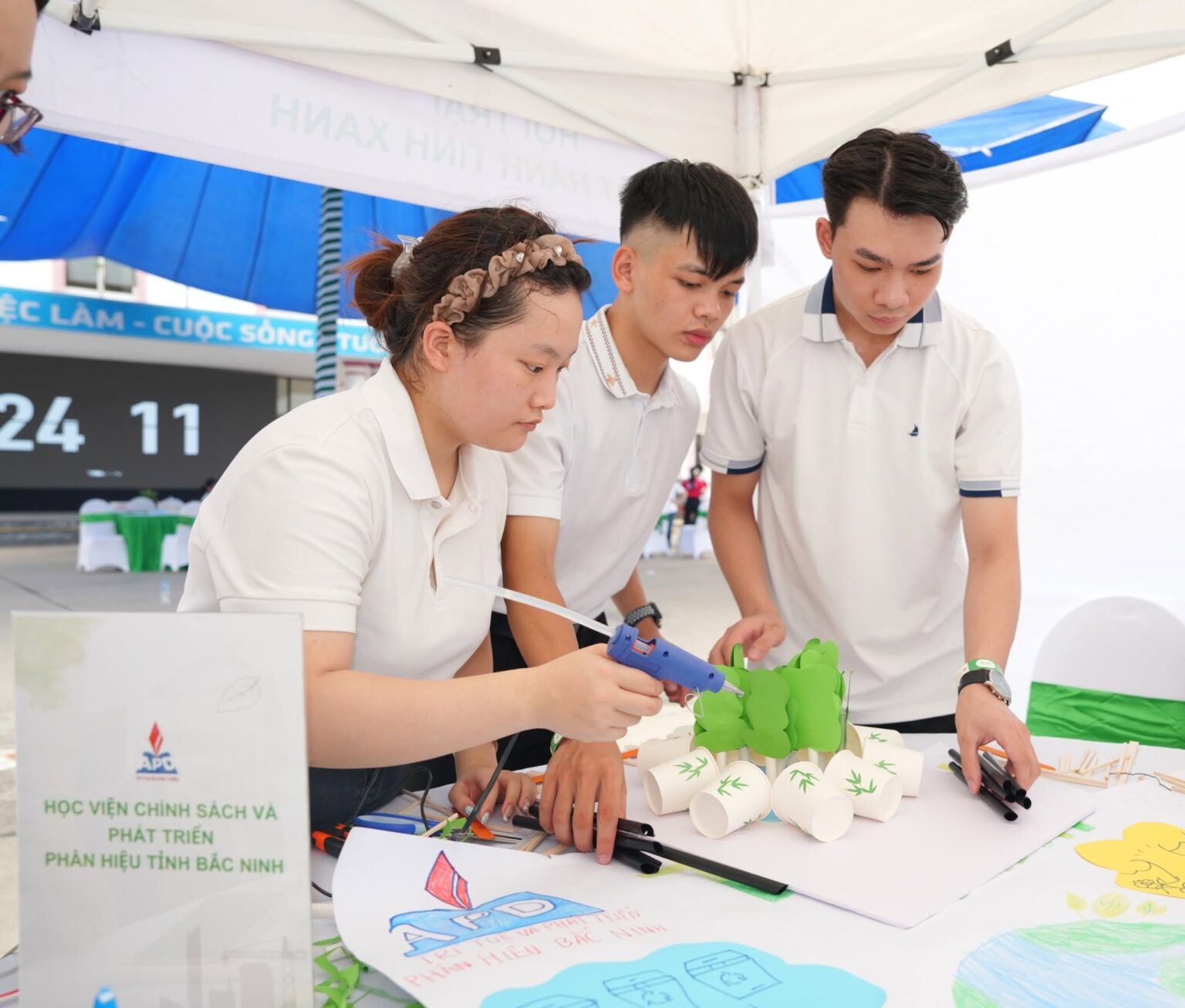
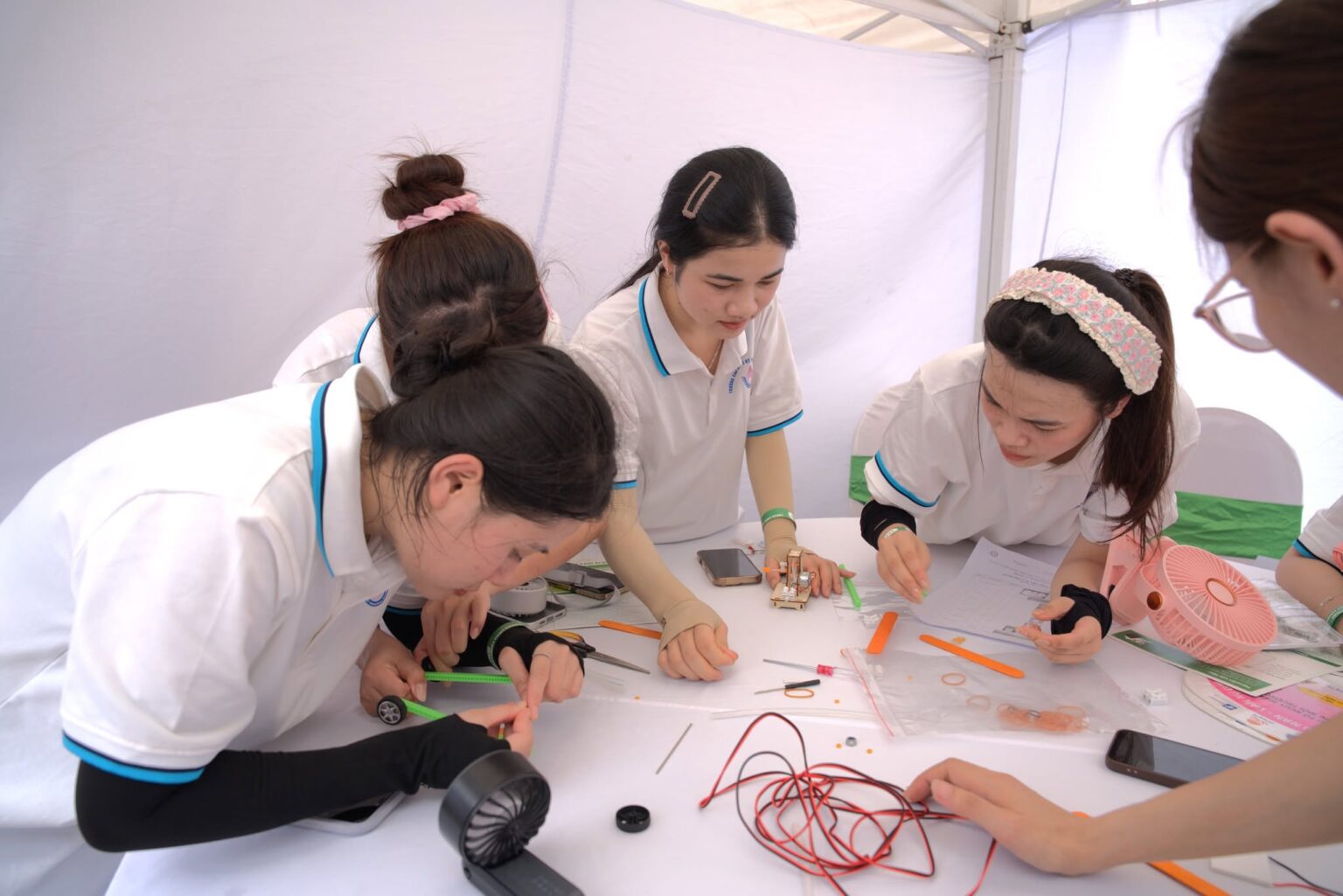
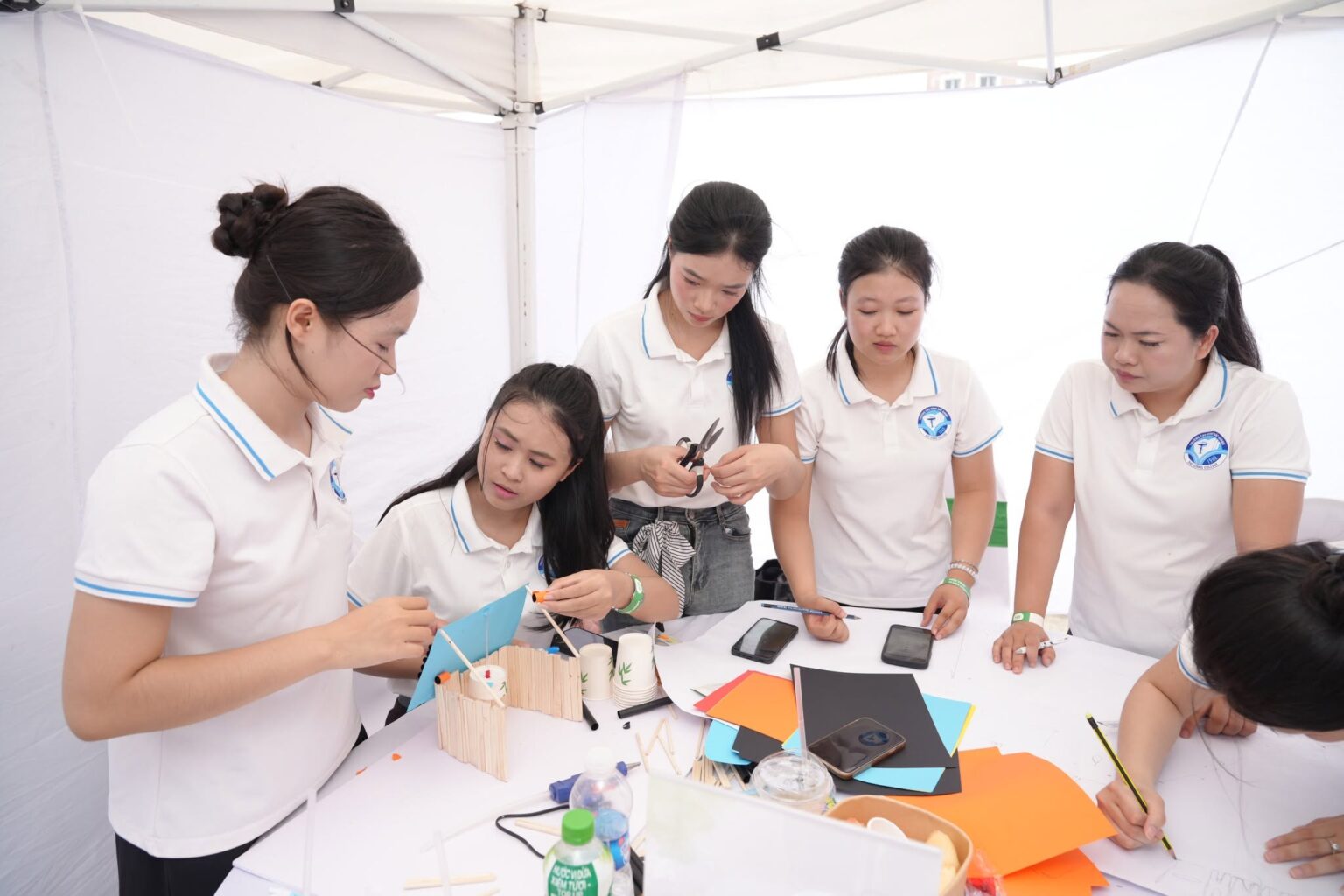
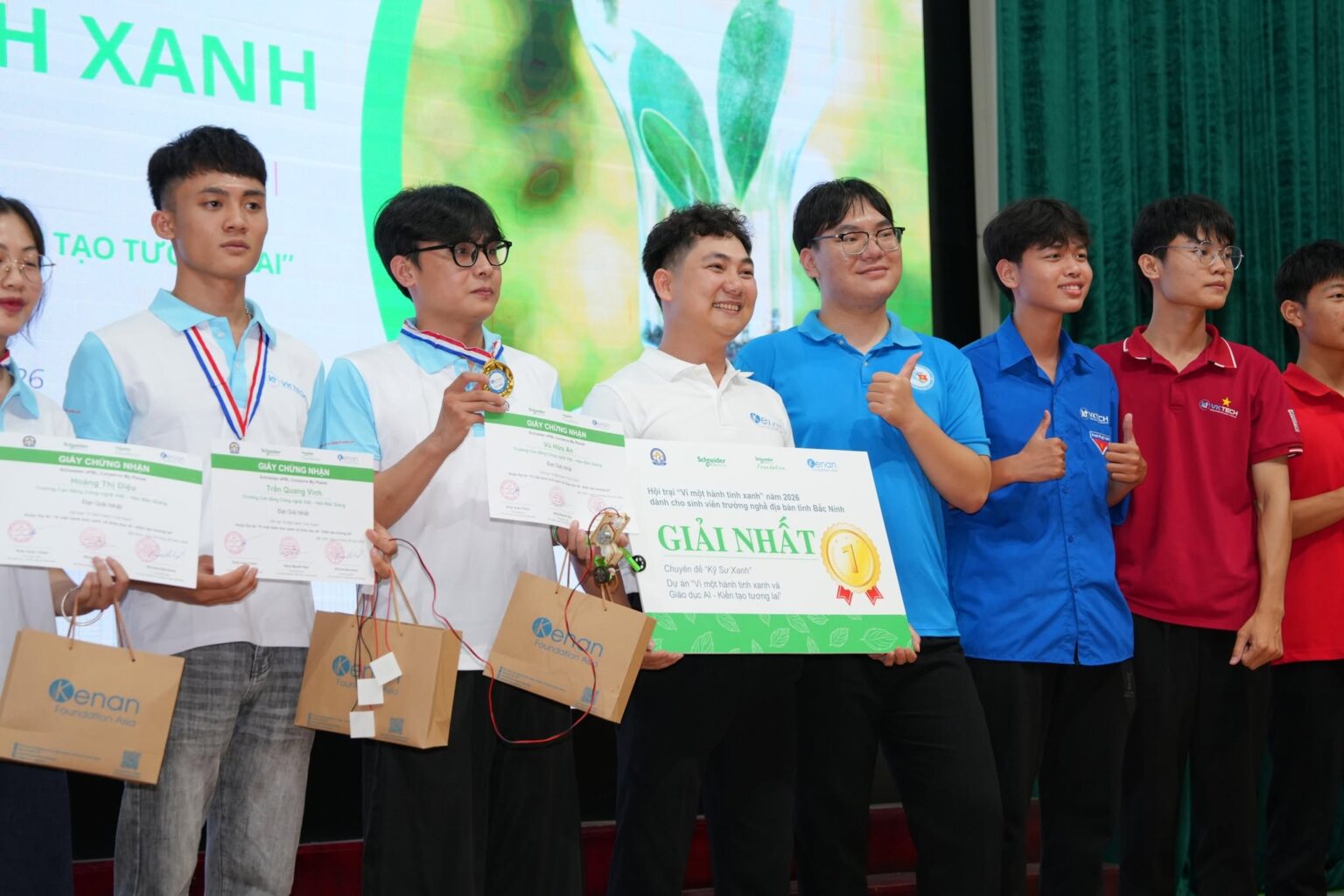
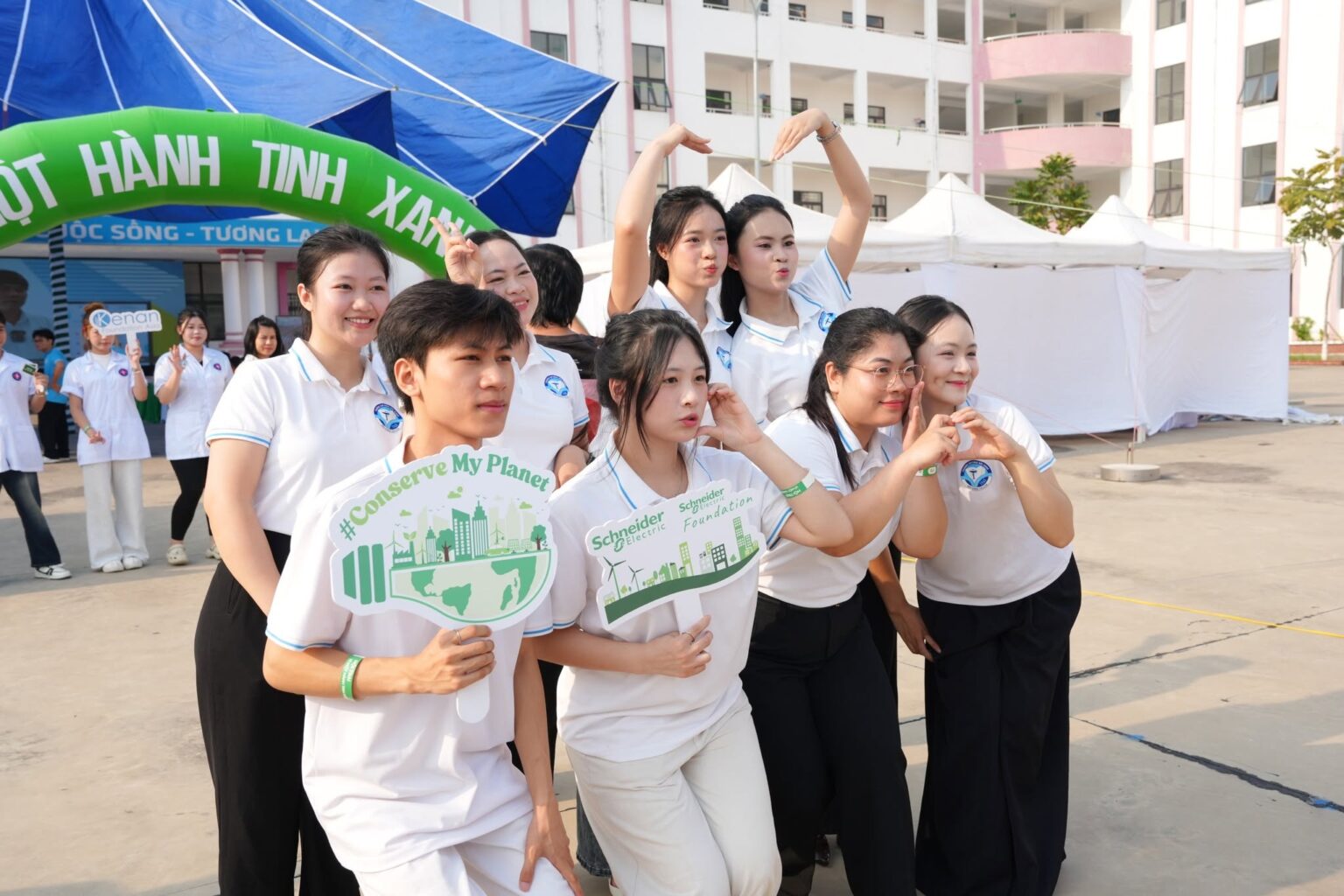
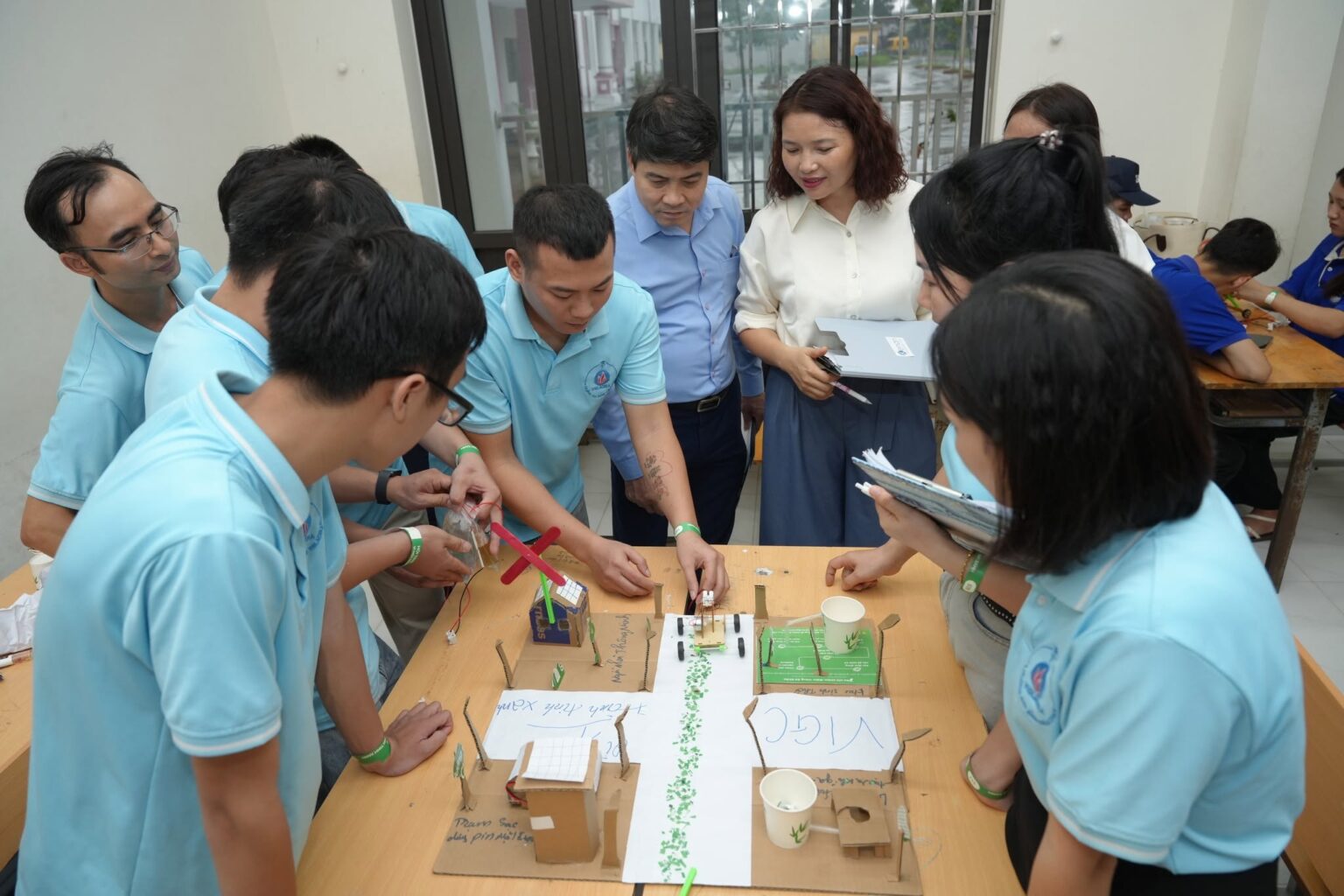
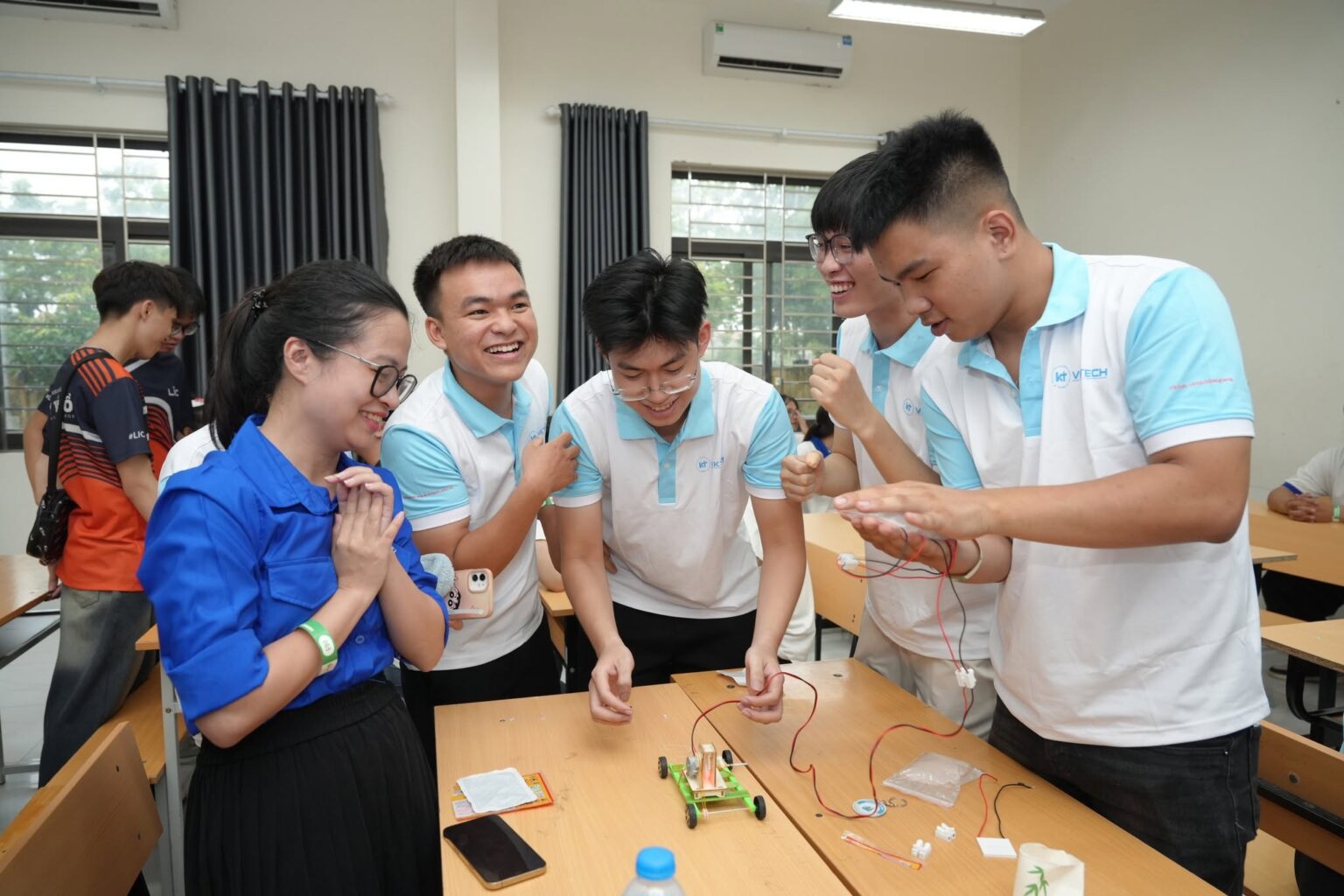
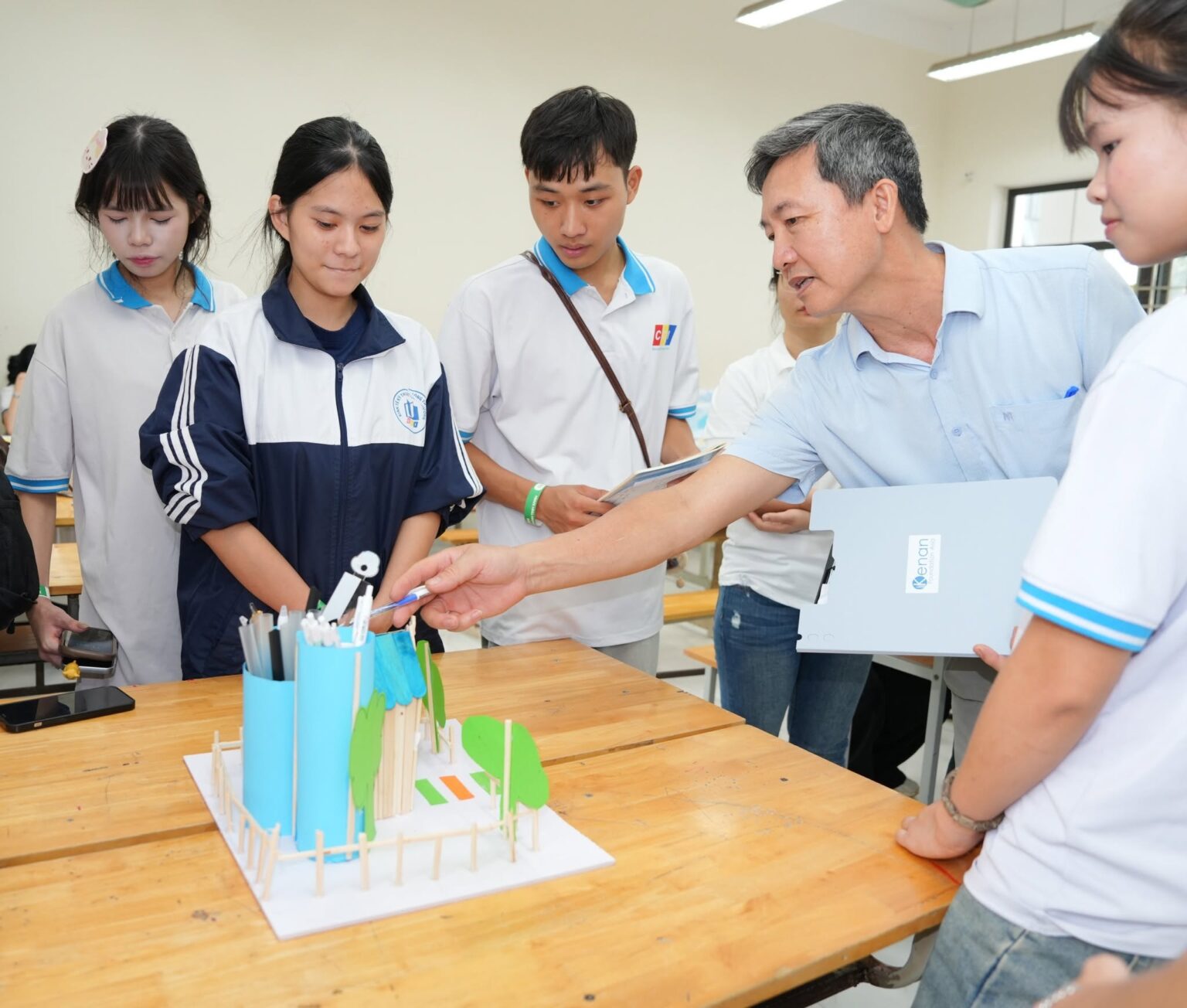
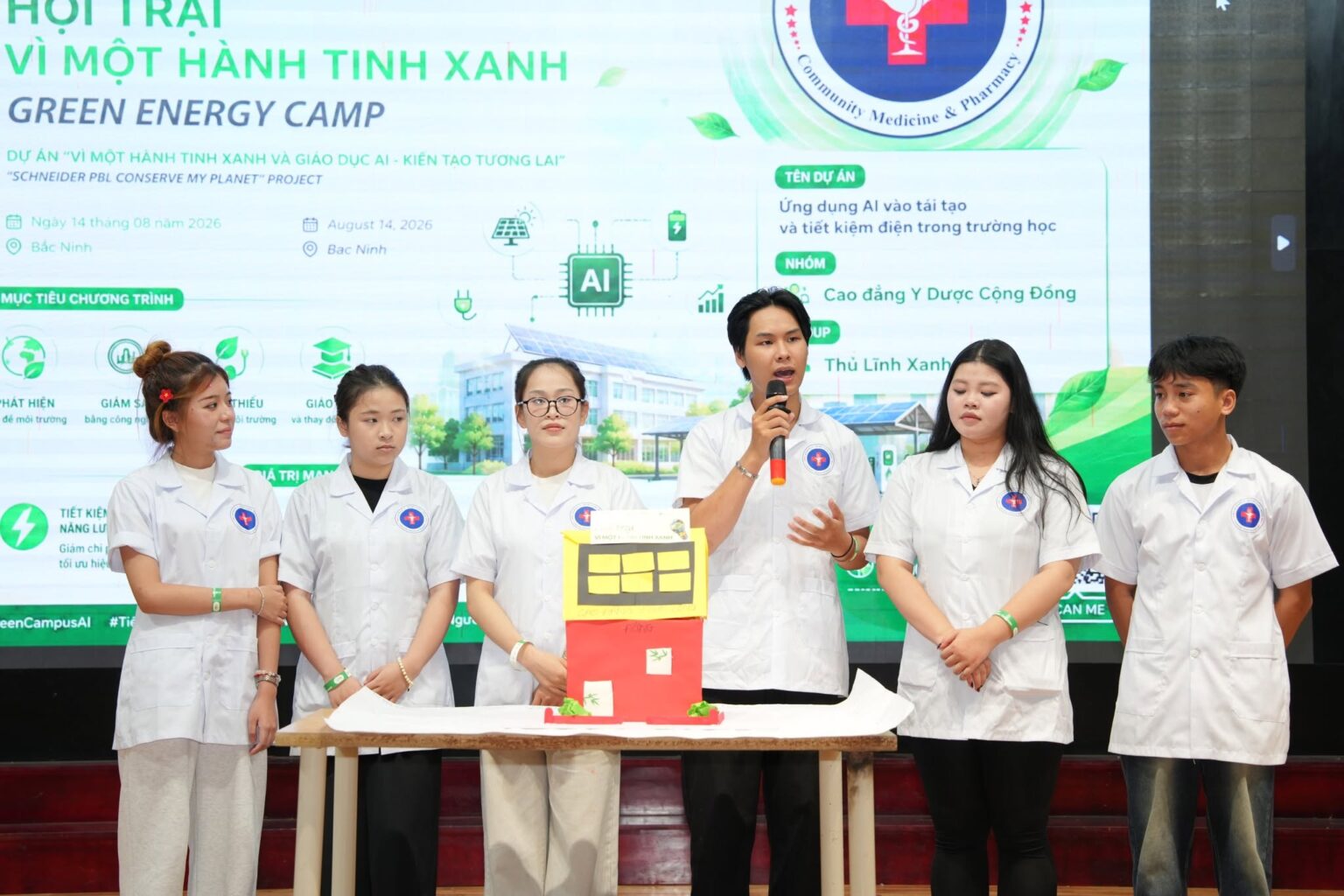
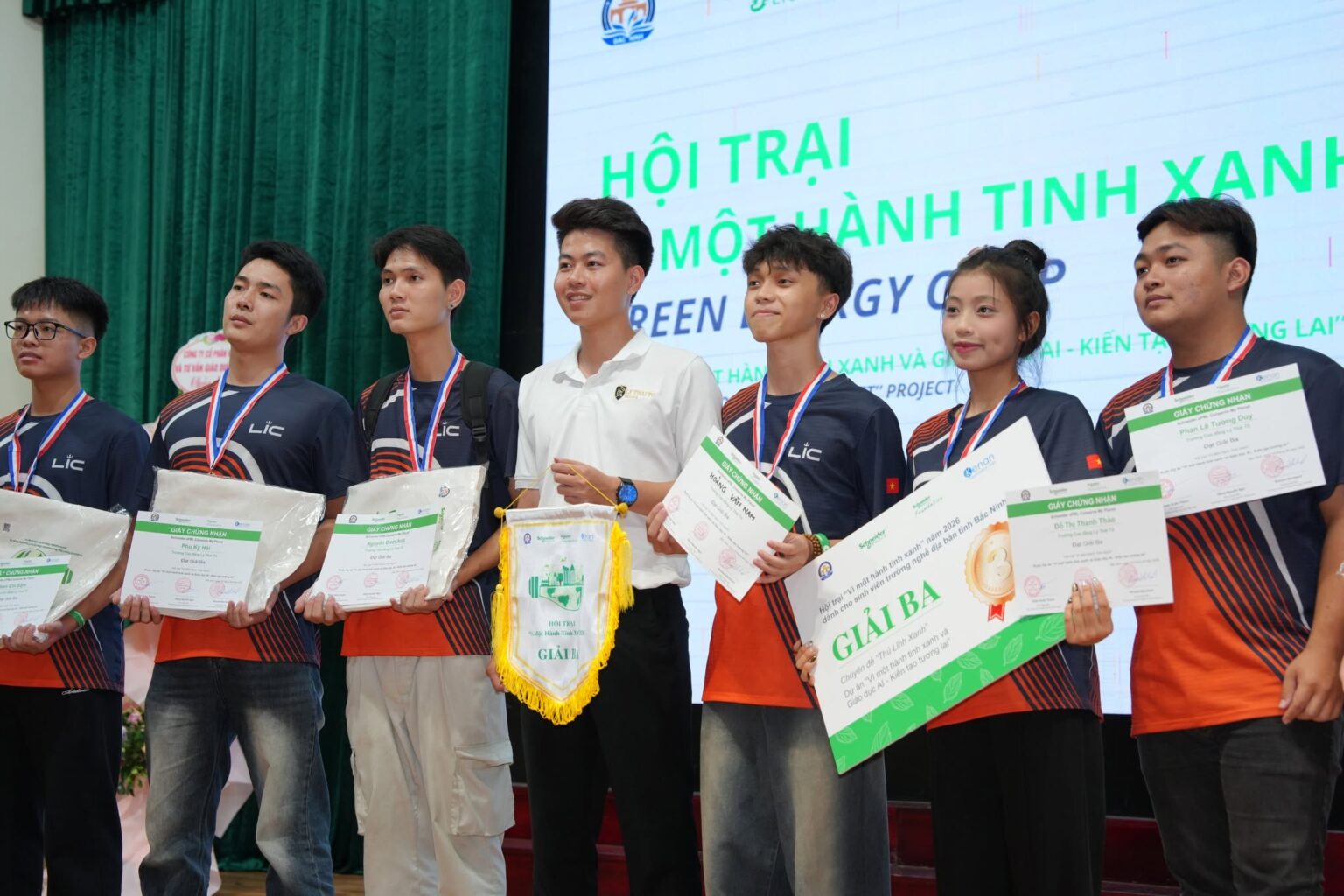
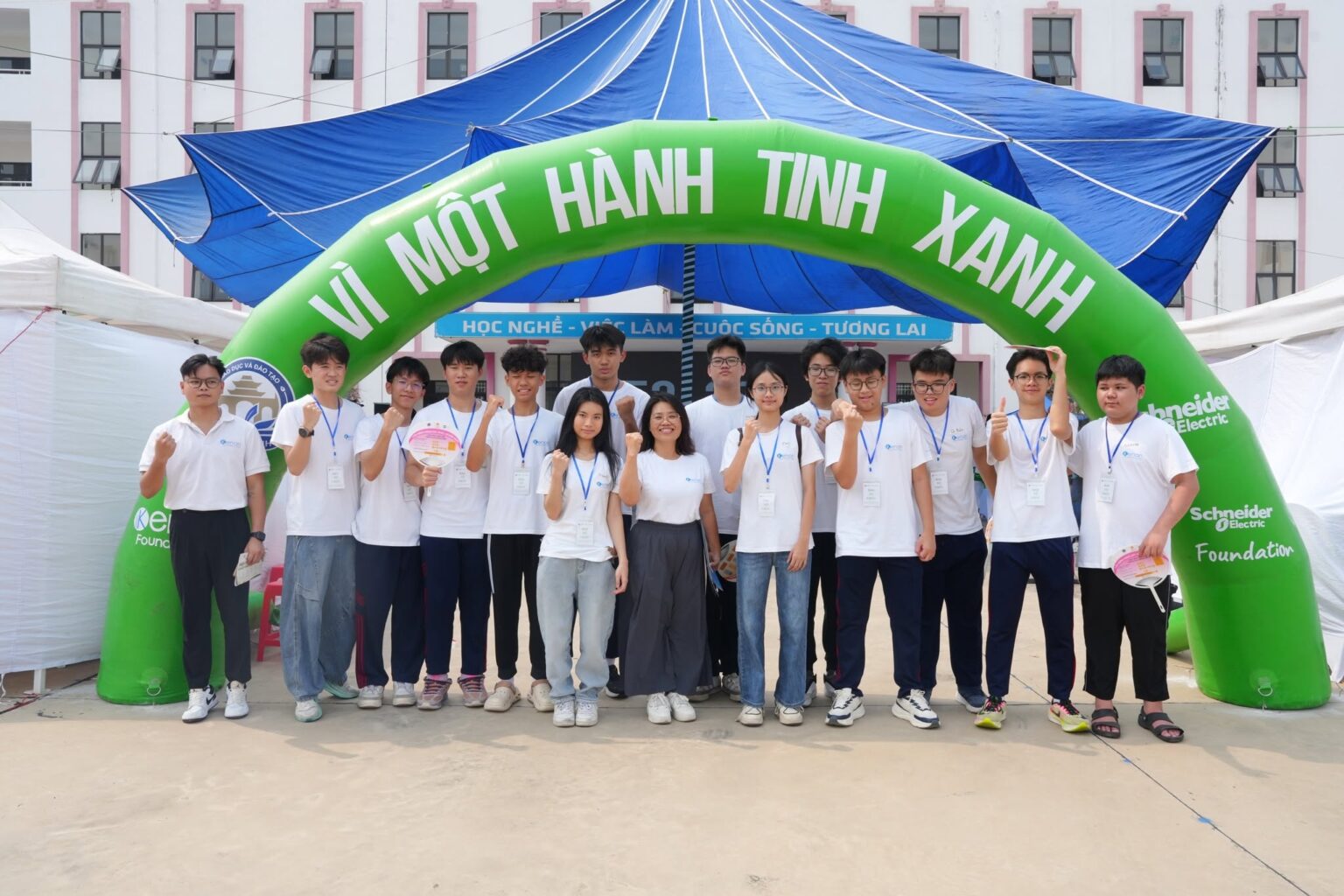
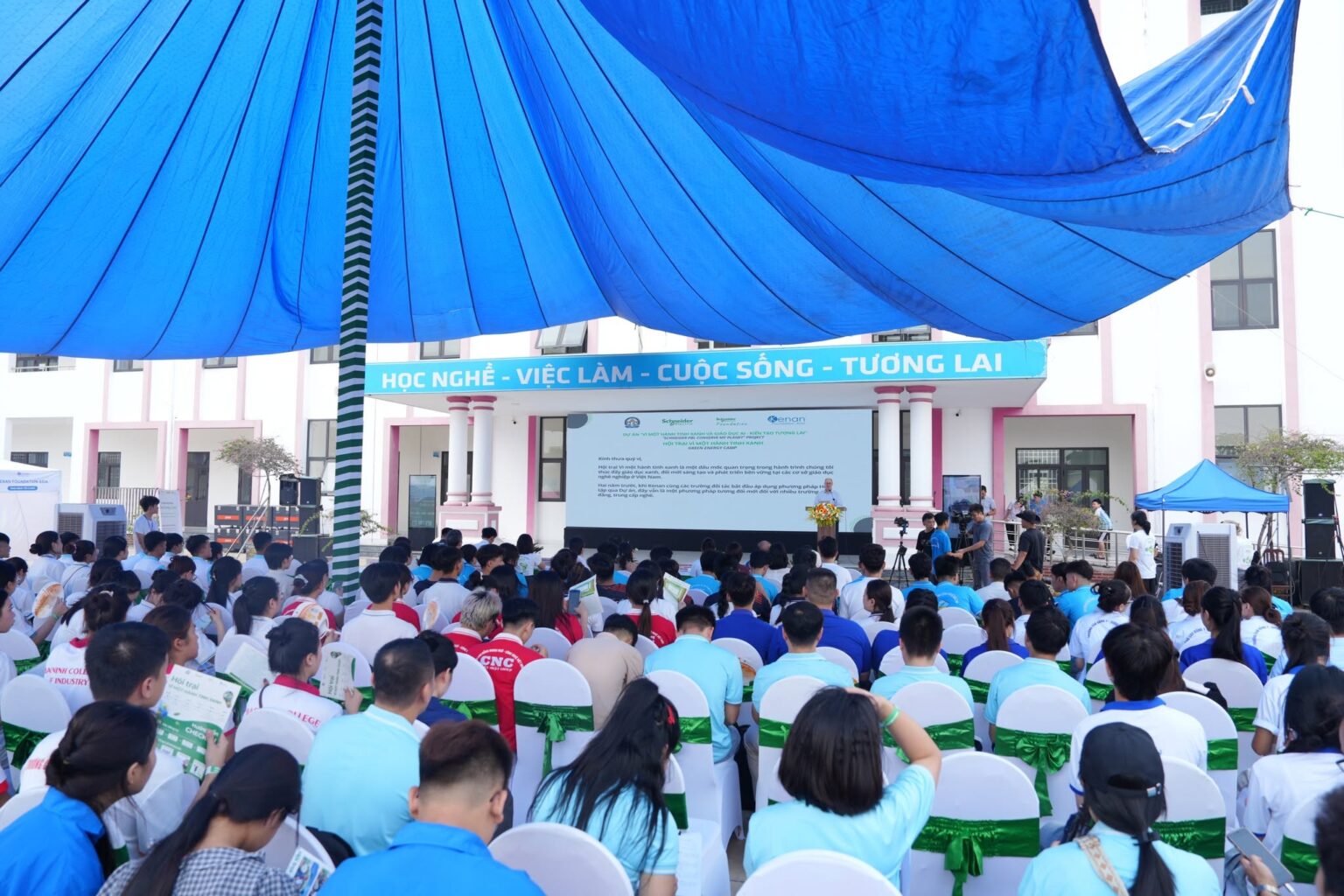
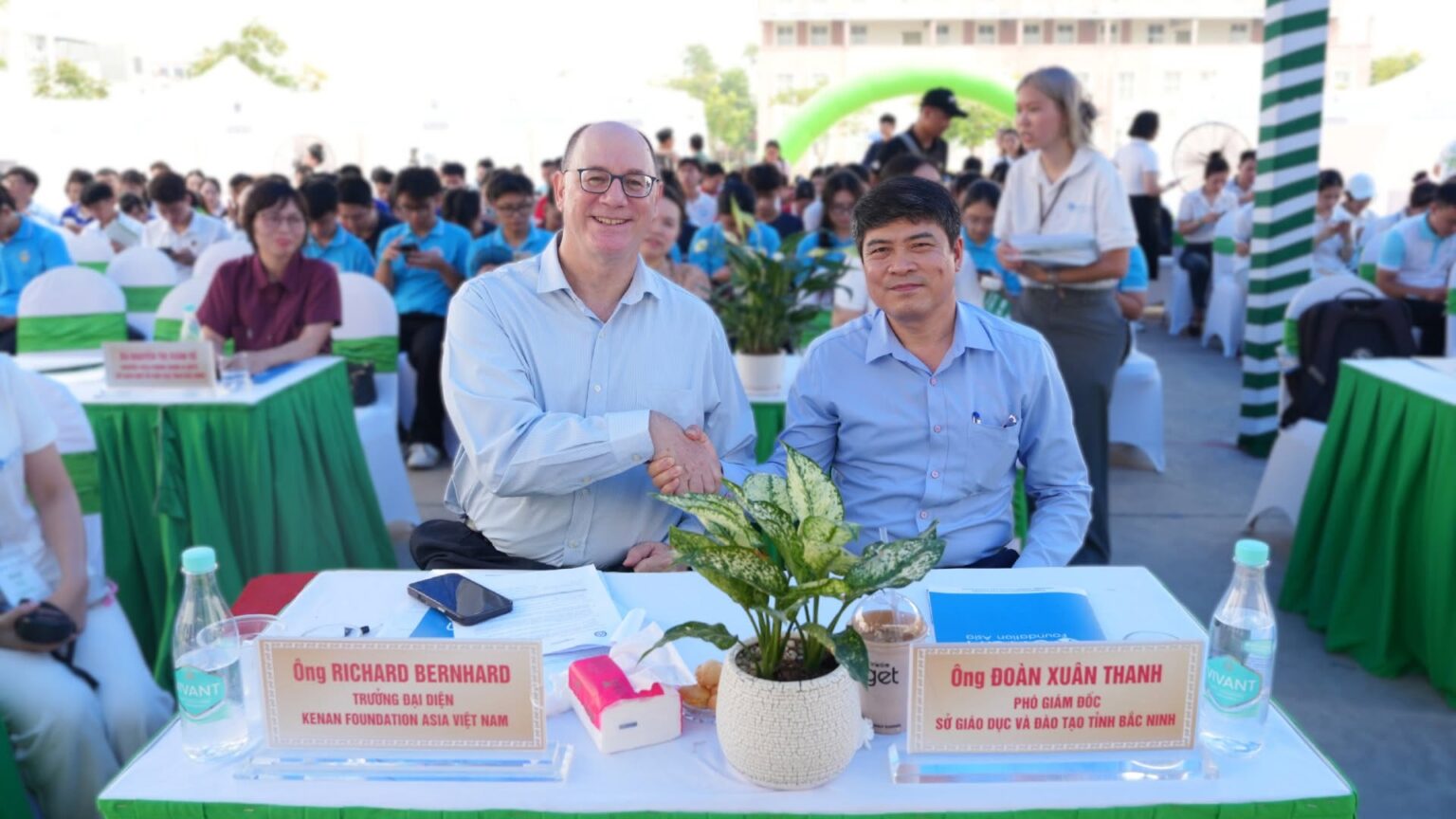
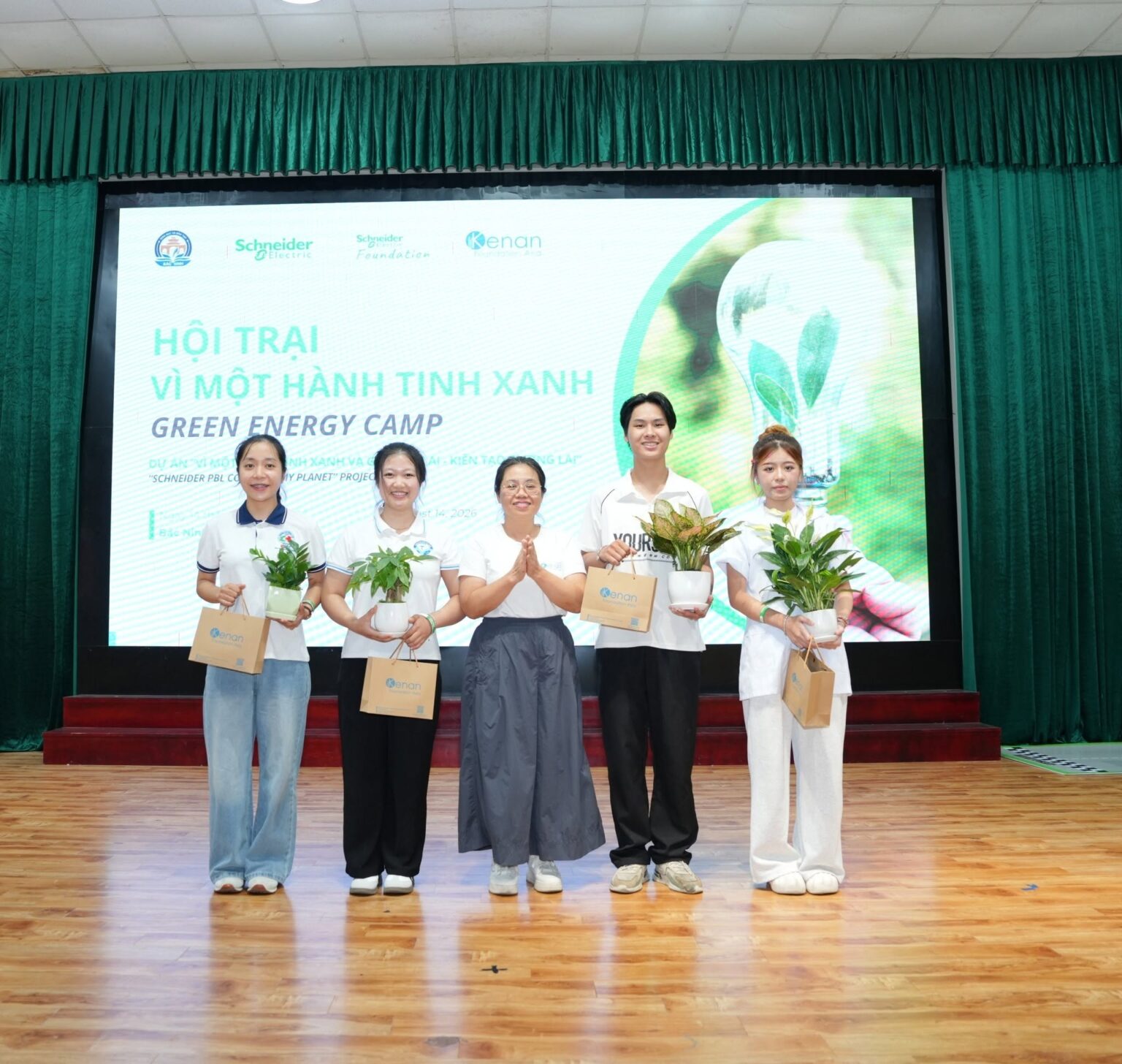
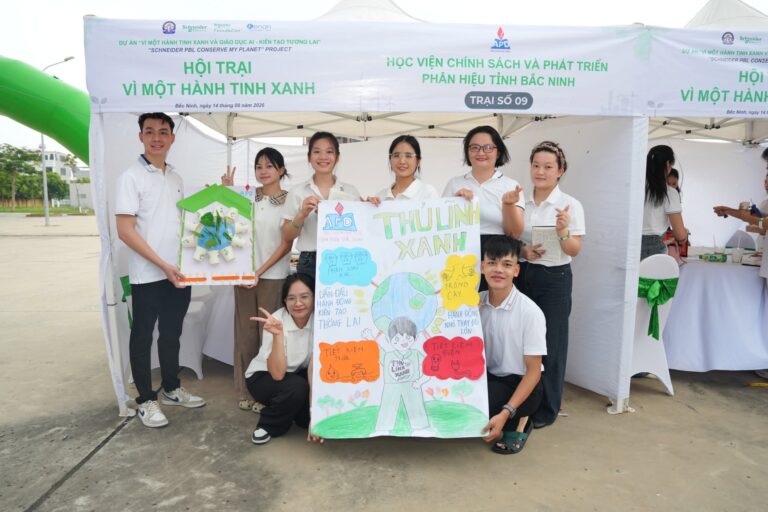
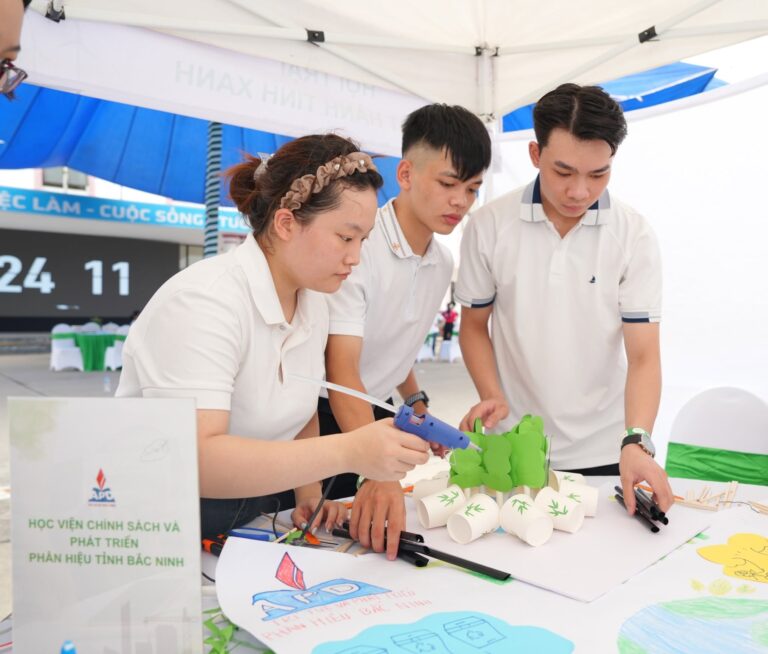
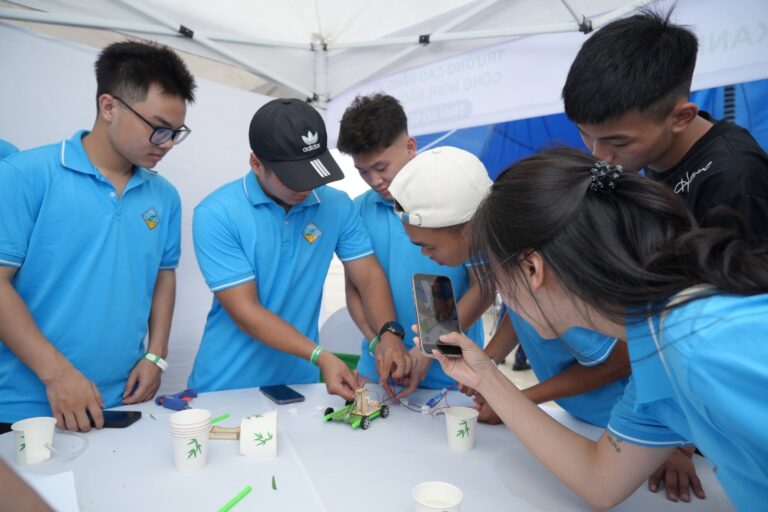
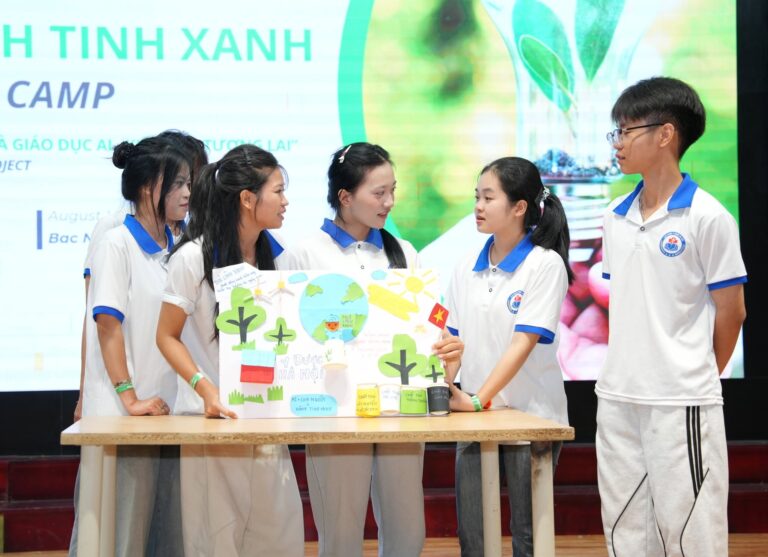
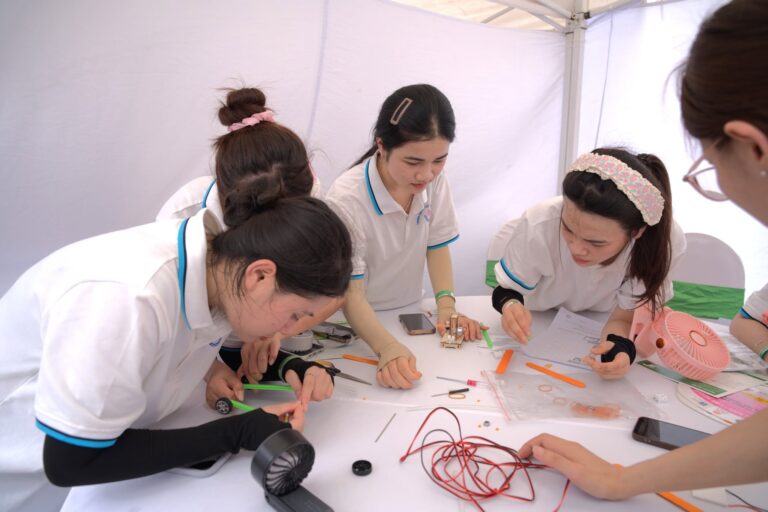
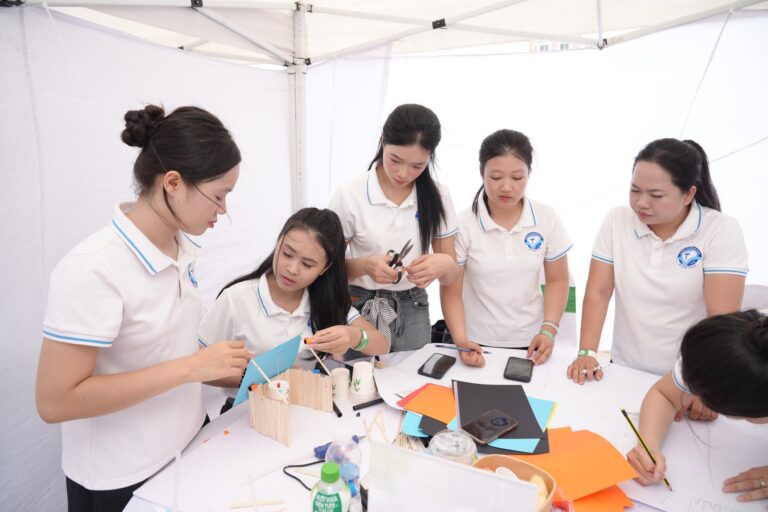
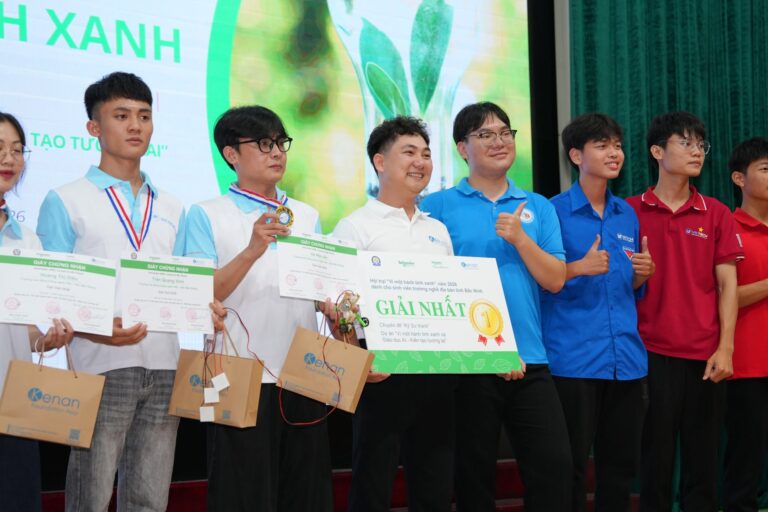
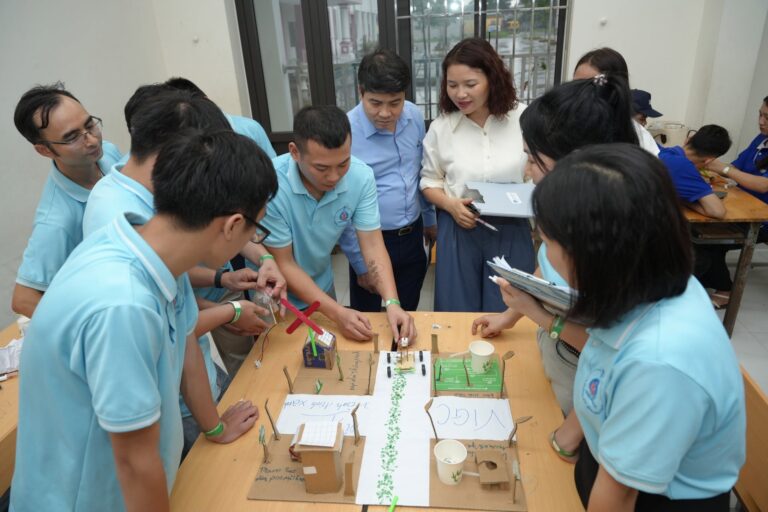
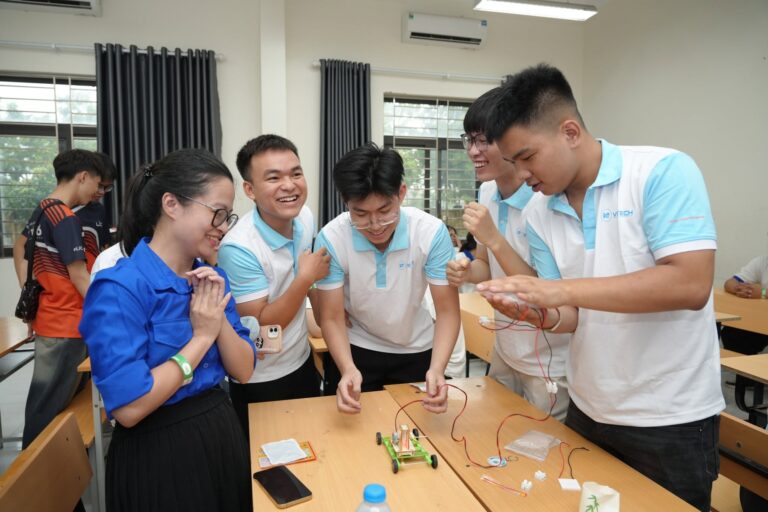
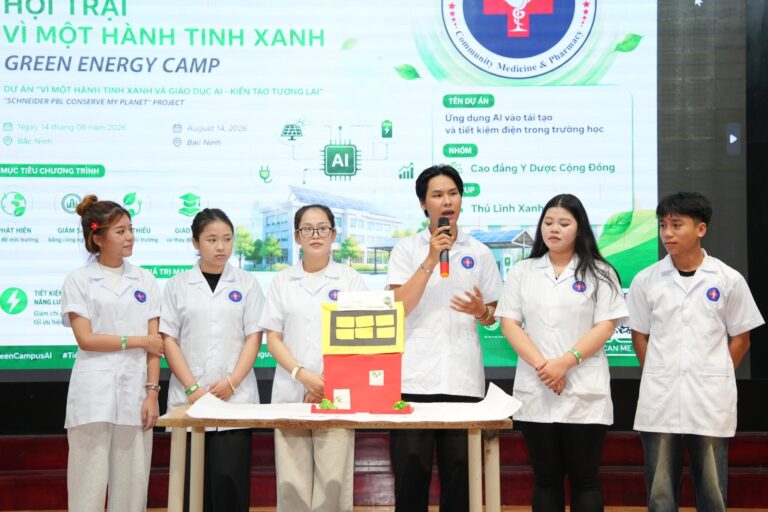
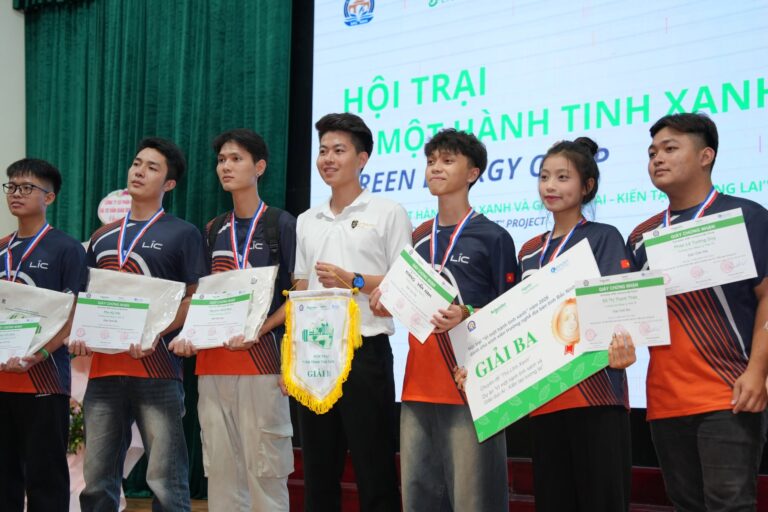
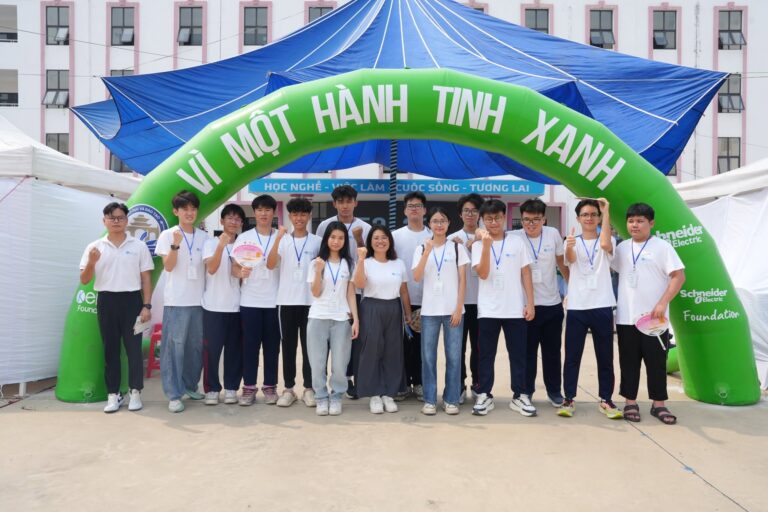
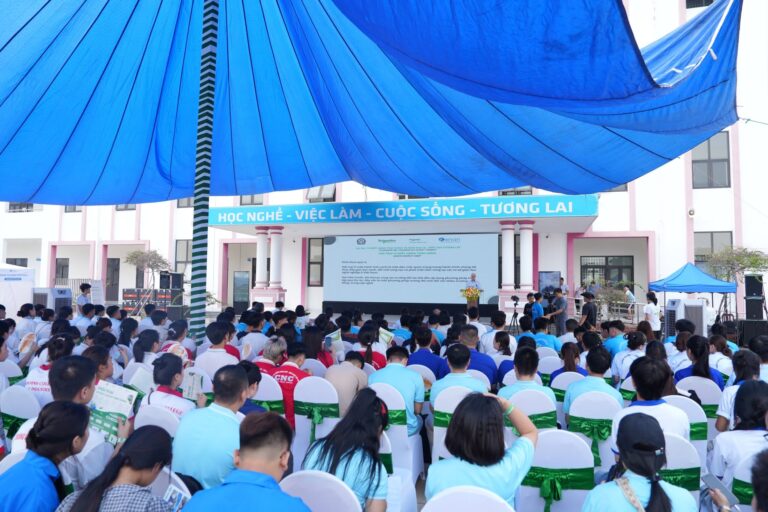
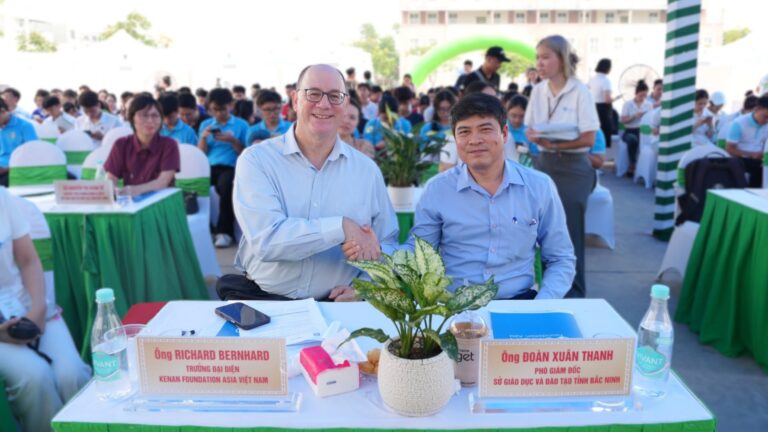
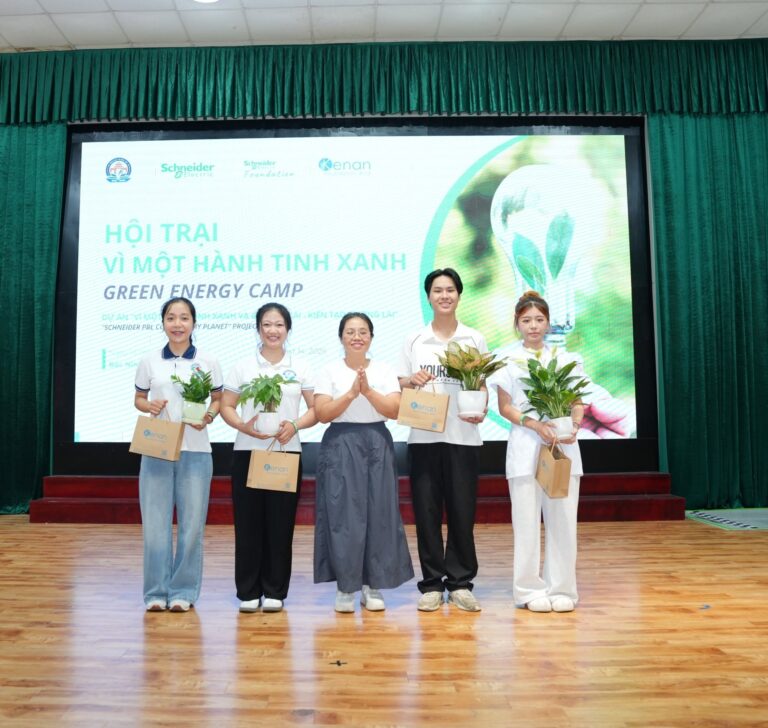
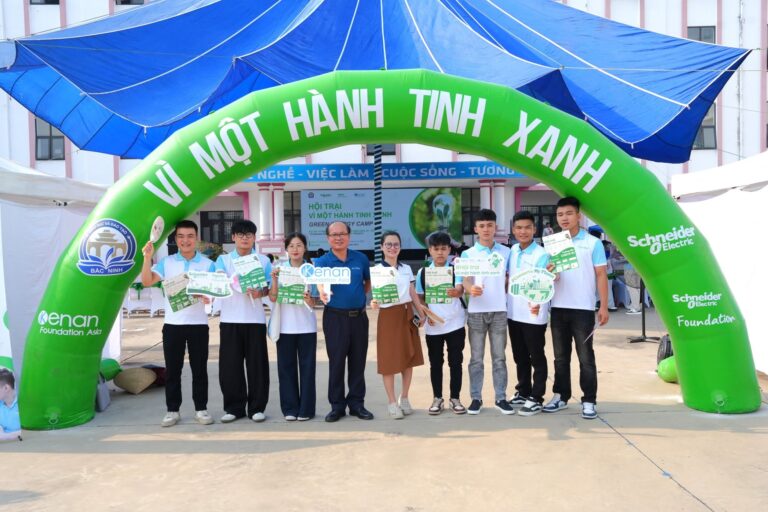
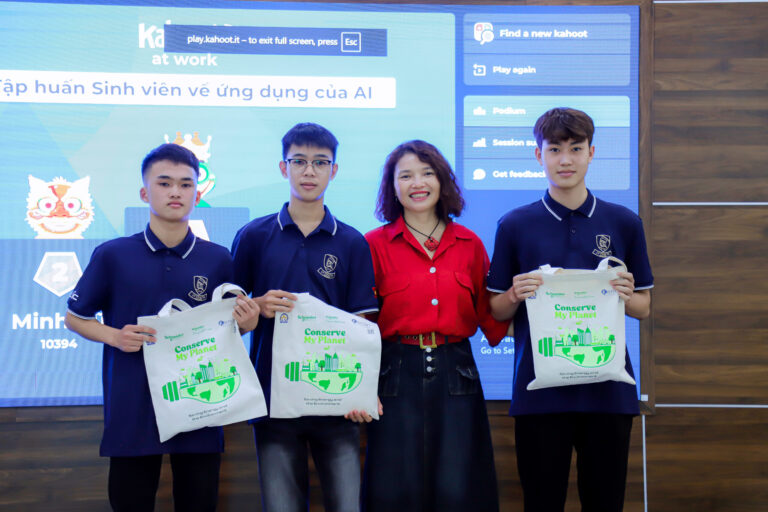
The Schneider PBL Conserve My Planet Vietnam project, implemented by Kenan Foundation Asia in partnership with the Bac Ninh Department of Education and Training (DOET) and supported by the Schneider Electric Foundation and Schneider Electric Vietnam, promotes environmental sustainability and renewable energy education within Vietnam’s vocational education system. Running from September 2024 to October 2026, the project applied Project-Based Learning (PBL) approaches to strengthen teacher capacity, enhance student learning, and integrate green skills and clean energy concepts into vocational curricula.
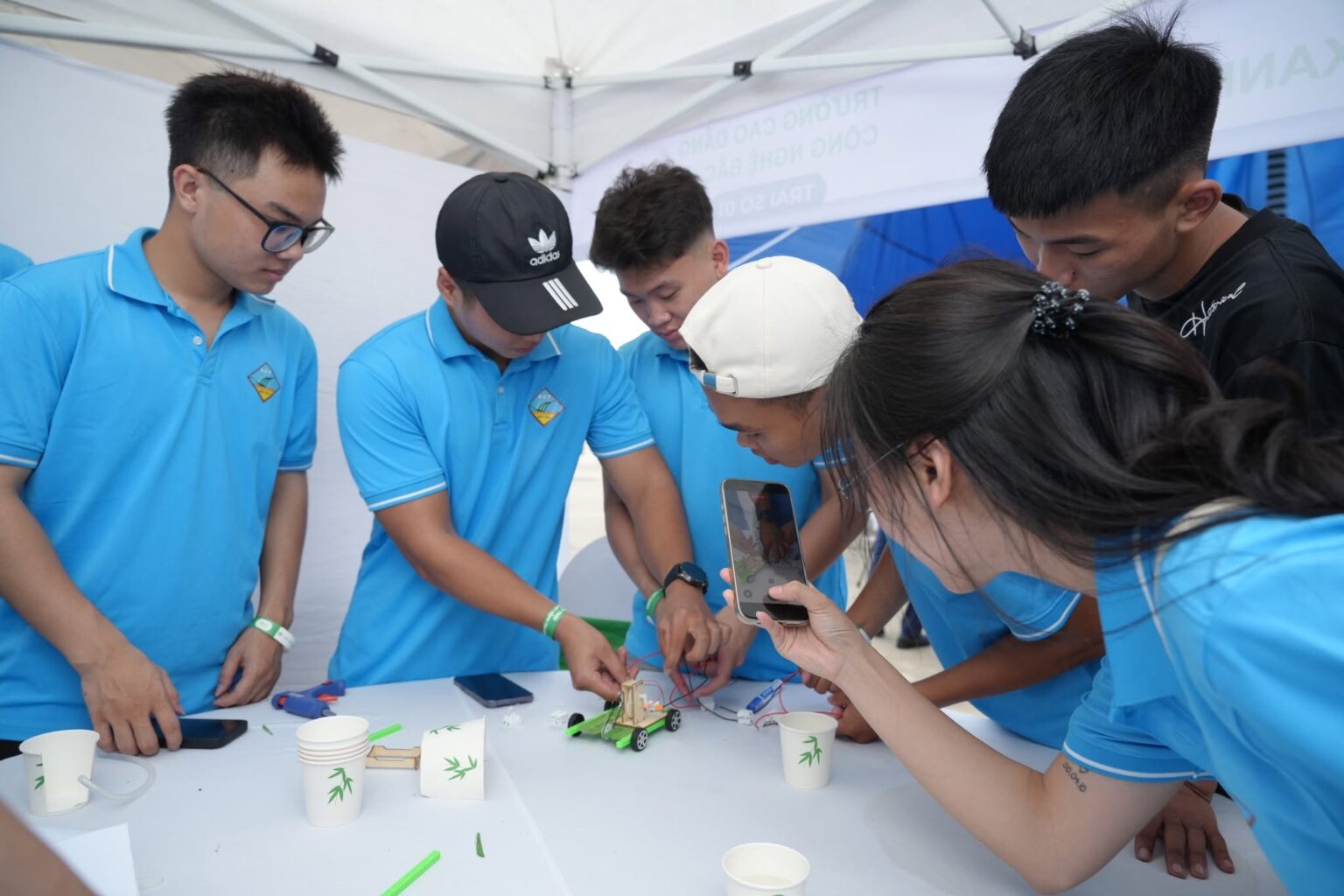
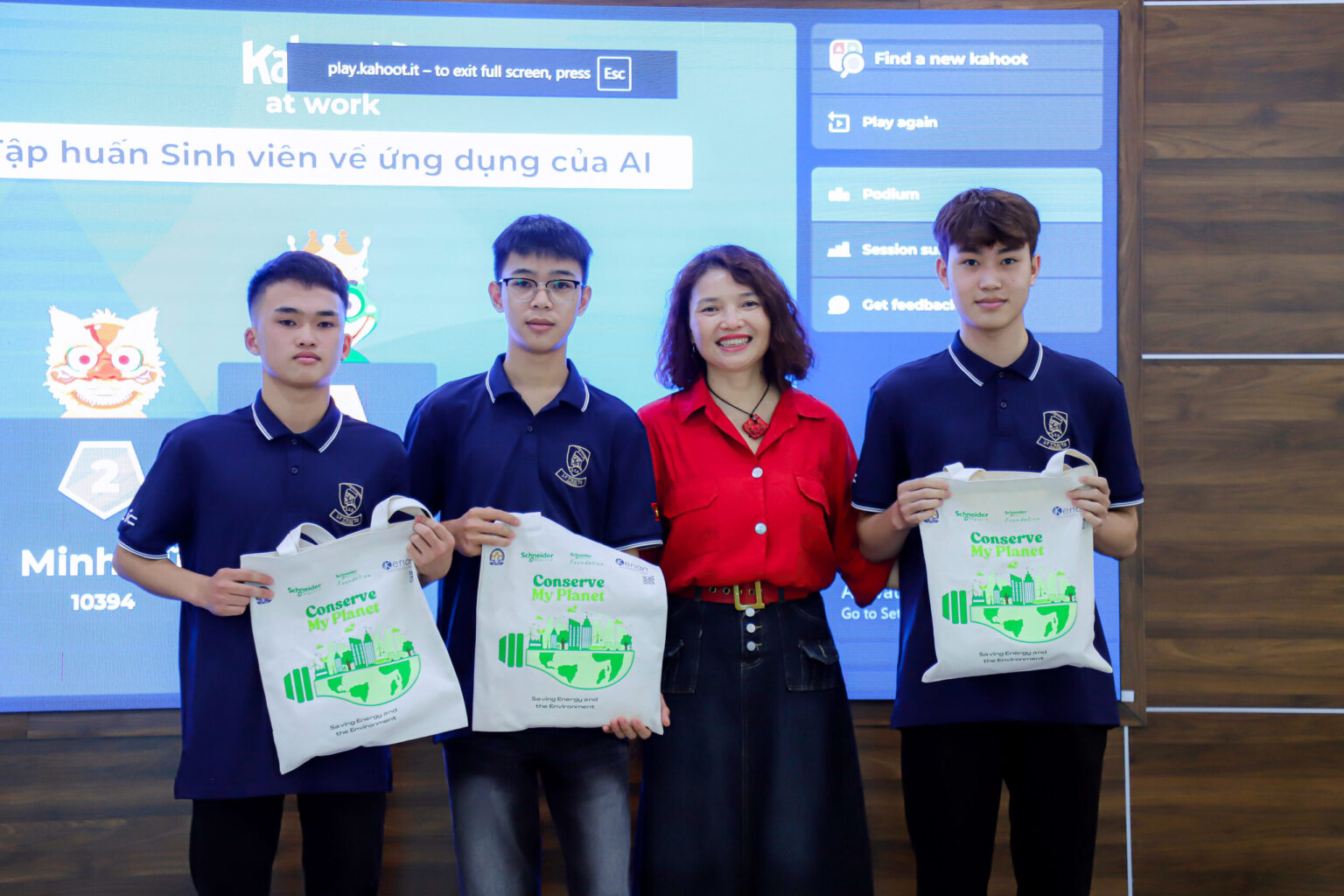
Since its launch, the project has reached 10,608 vocational students and trained 112 teachers across 16 vocational education institutions in Bac Ninh Province. Through STEM-based learning focused on energy conservation, renewable energy, and environmental protection, the initiative has strengthened both educator capacity and student readiness to contribute to a more sustainable future.
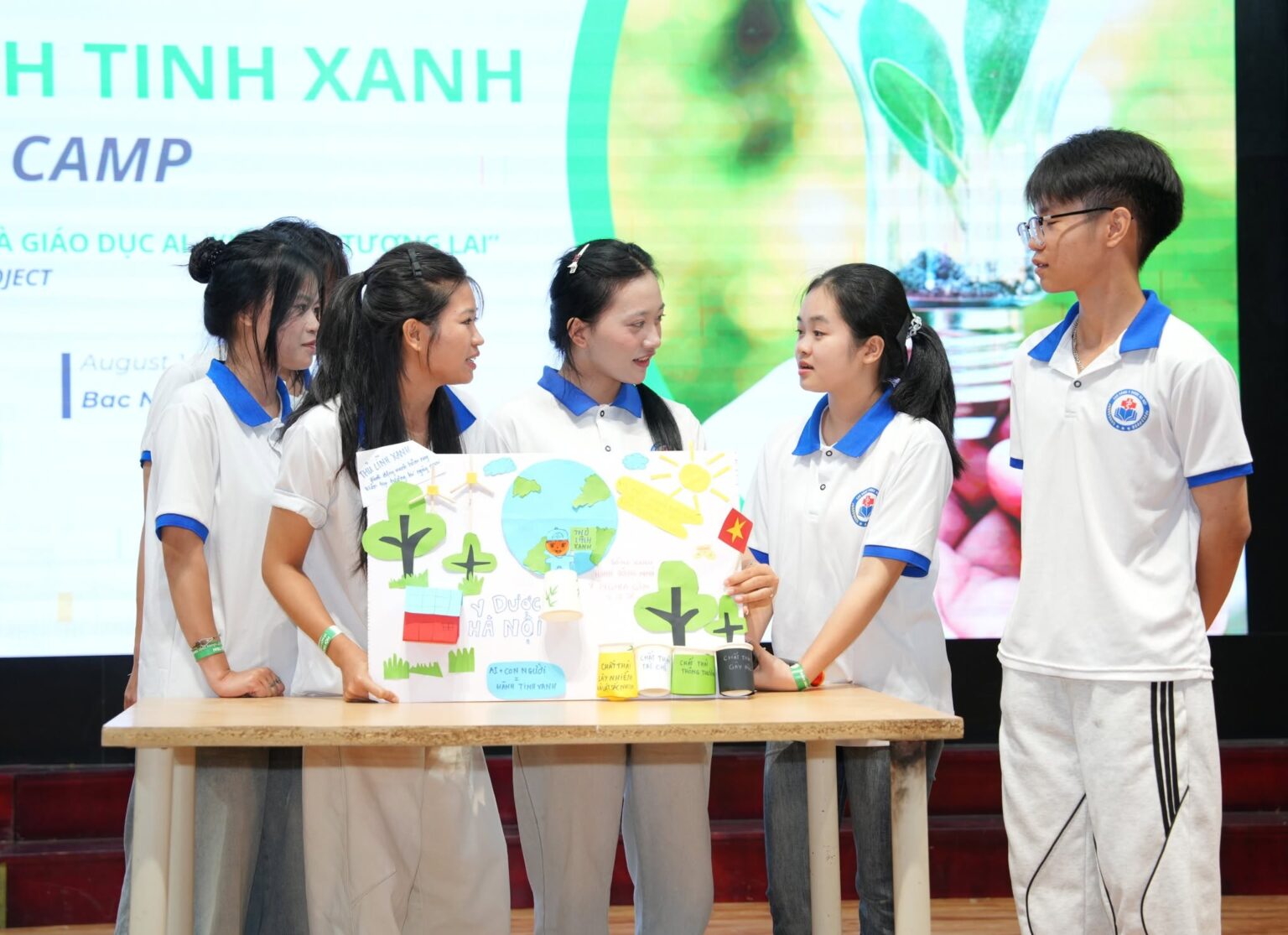
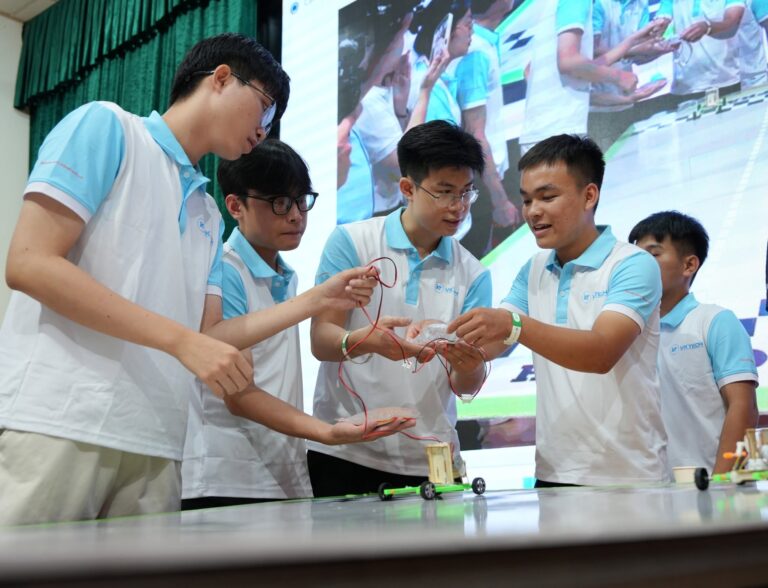
More than 90% of participating students reported improved understanding of renewable energy technologies, while student teams developed practical clean energy solutions to address real-world environmental challenges in their communities. By investing in educators and embedding sustainability into vocational education, the project has built institutional capacity, strengthened local education systems, and prepared young people with the knowledge and skills needed to support Vietnam’s green transition.
The project contributes to Vietnam’s national sustainable development priorities and aligns with broader global climate action goals.