BACKGROUND
Thailand has unmet needs for family life planning, both in terms of those who wish to avoid a pregnancy and those who desire to have children – resulting in a problem of ‘fewer births of lower quality’. A lack of sexual and reproductive health (SRH) knowledge and gaps in SRH services largely contribute to unplanned pregnancies; while economic and labor market uncertainty, conflicts between employment and family life, and persistent domestic gender inequalities are major factors leading to reluctance to have children. It is thus essential to address these issues in order to enable individuals and couples to make smart family life plans. Furthermore, women with low income, limited education, and limited access to health services – such as factory workers and migrant workers – would undoubtedly have less resources to engage in smart family life planning (SFLP).
PROJECT COMPONENTS
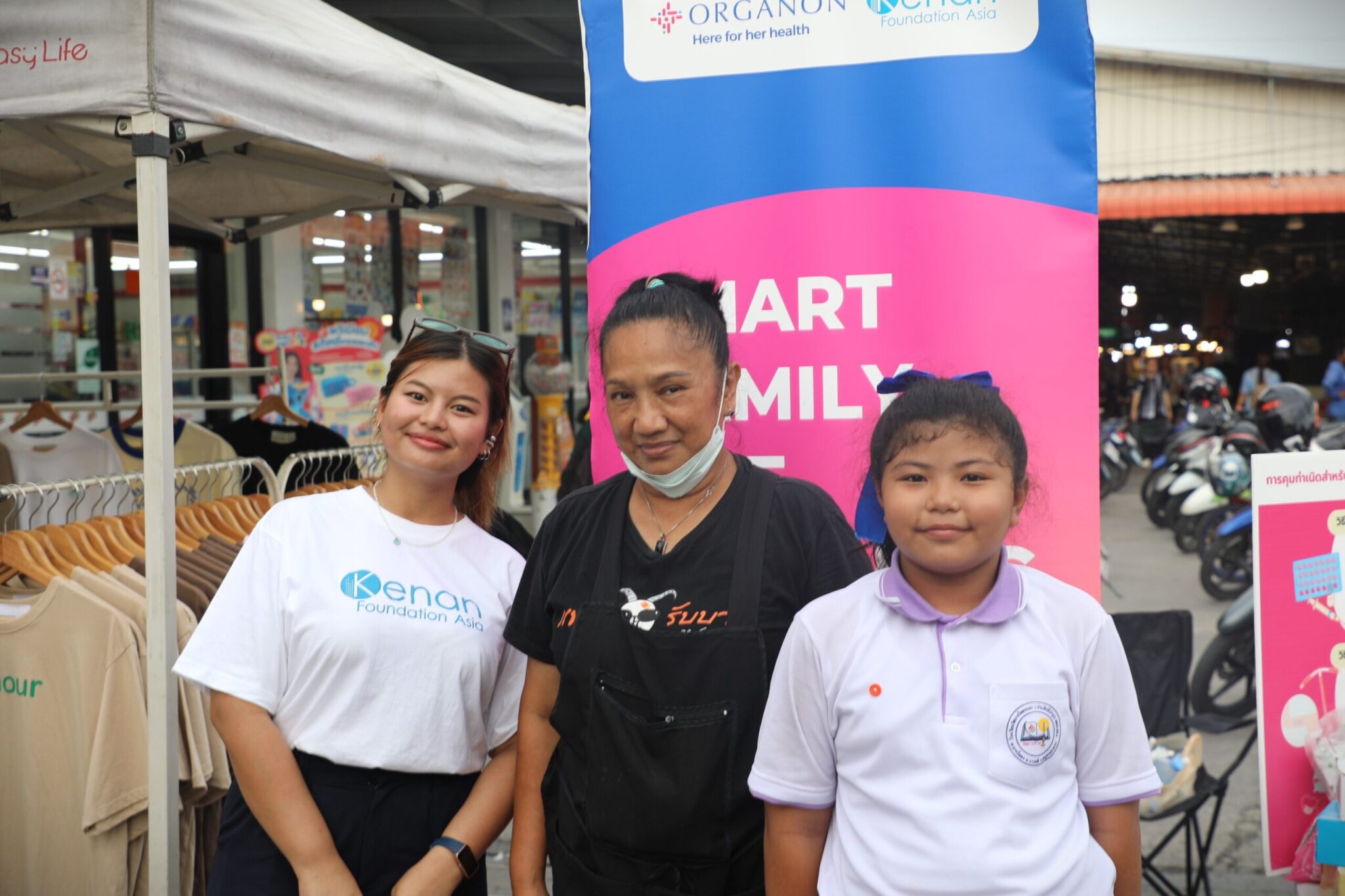
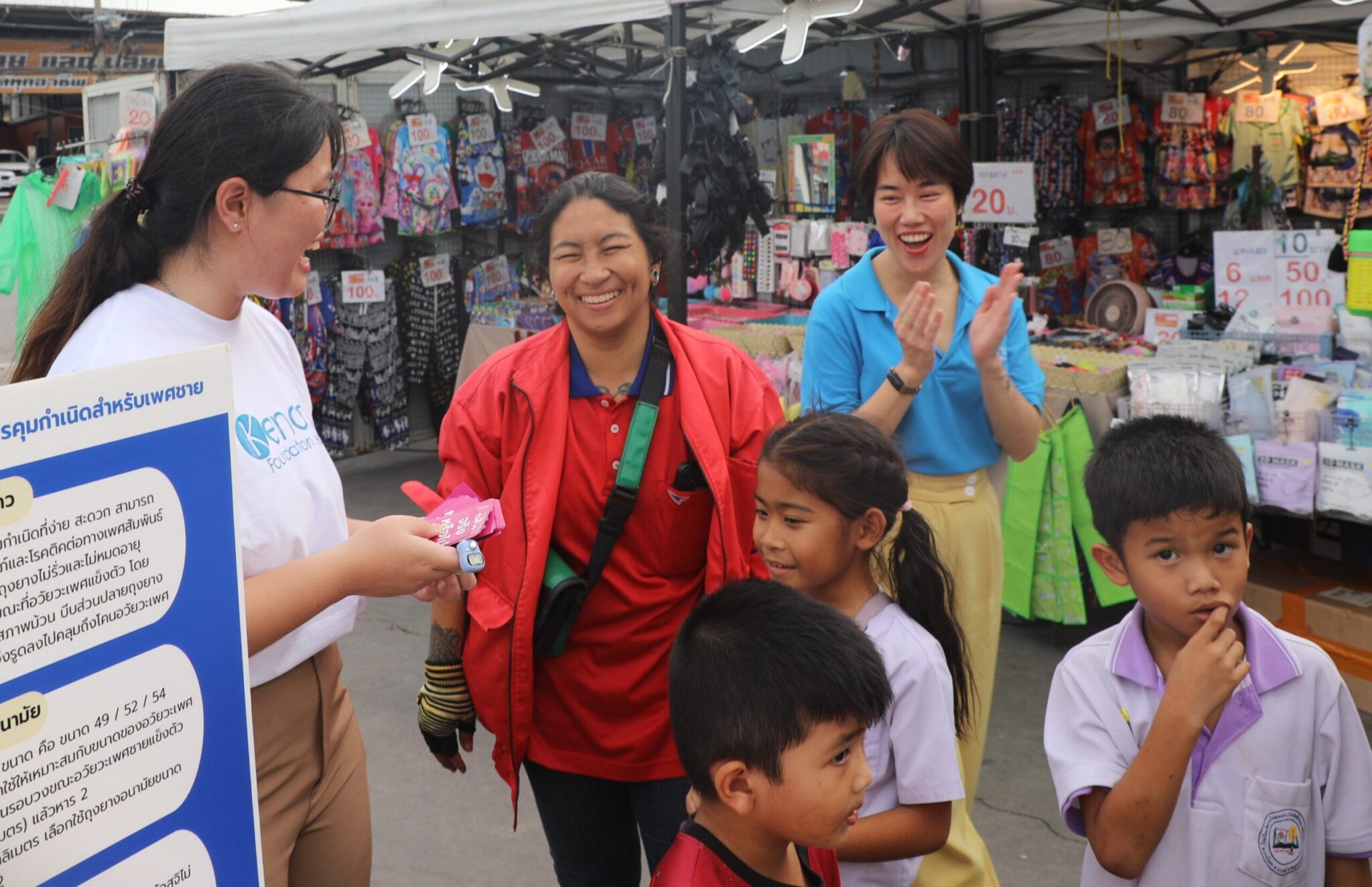
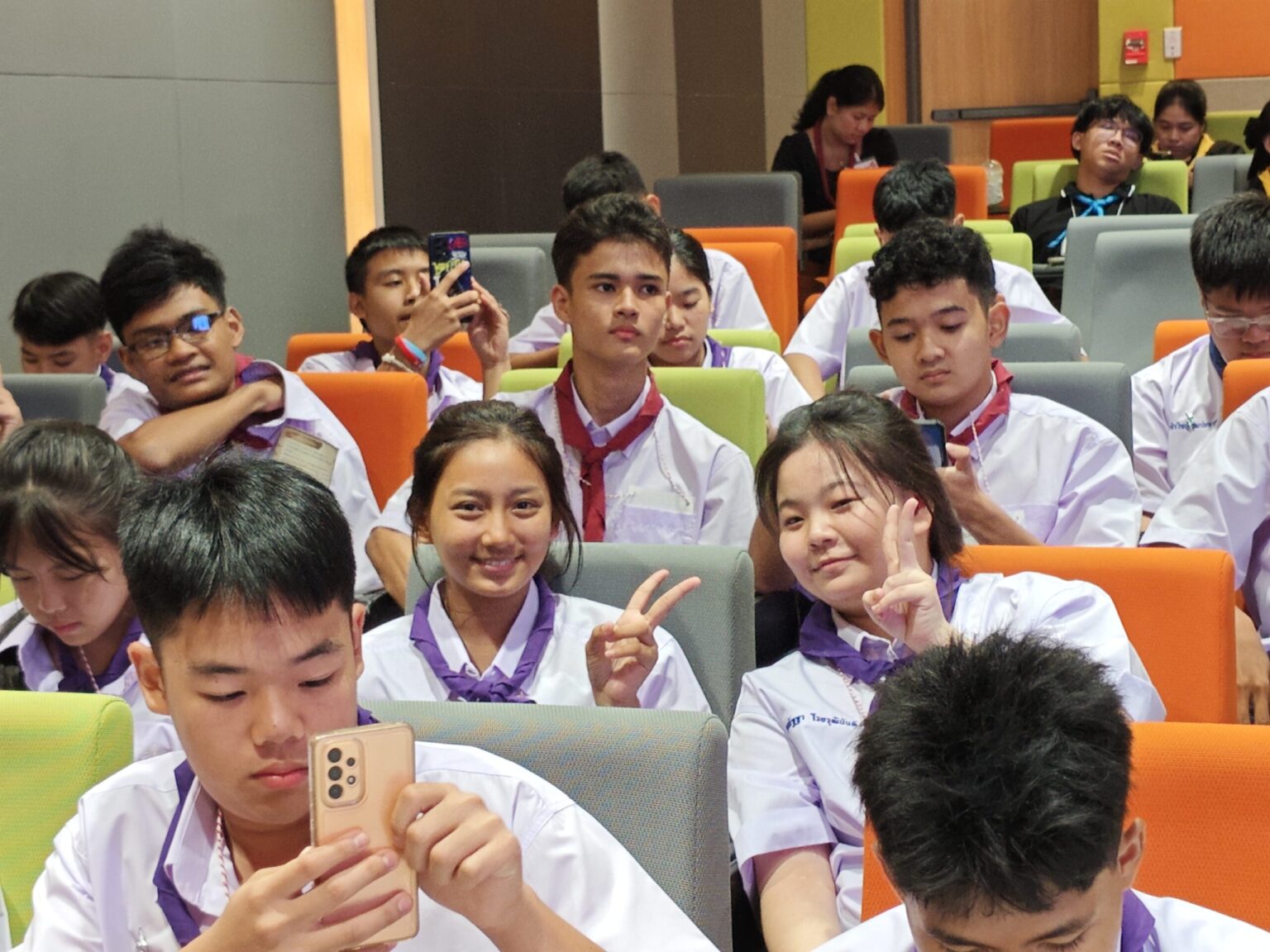
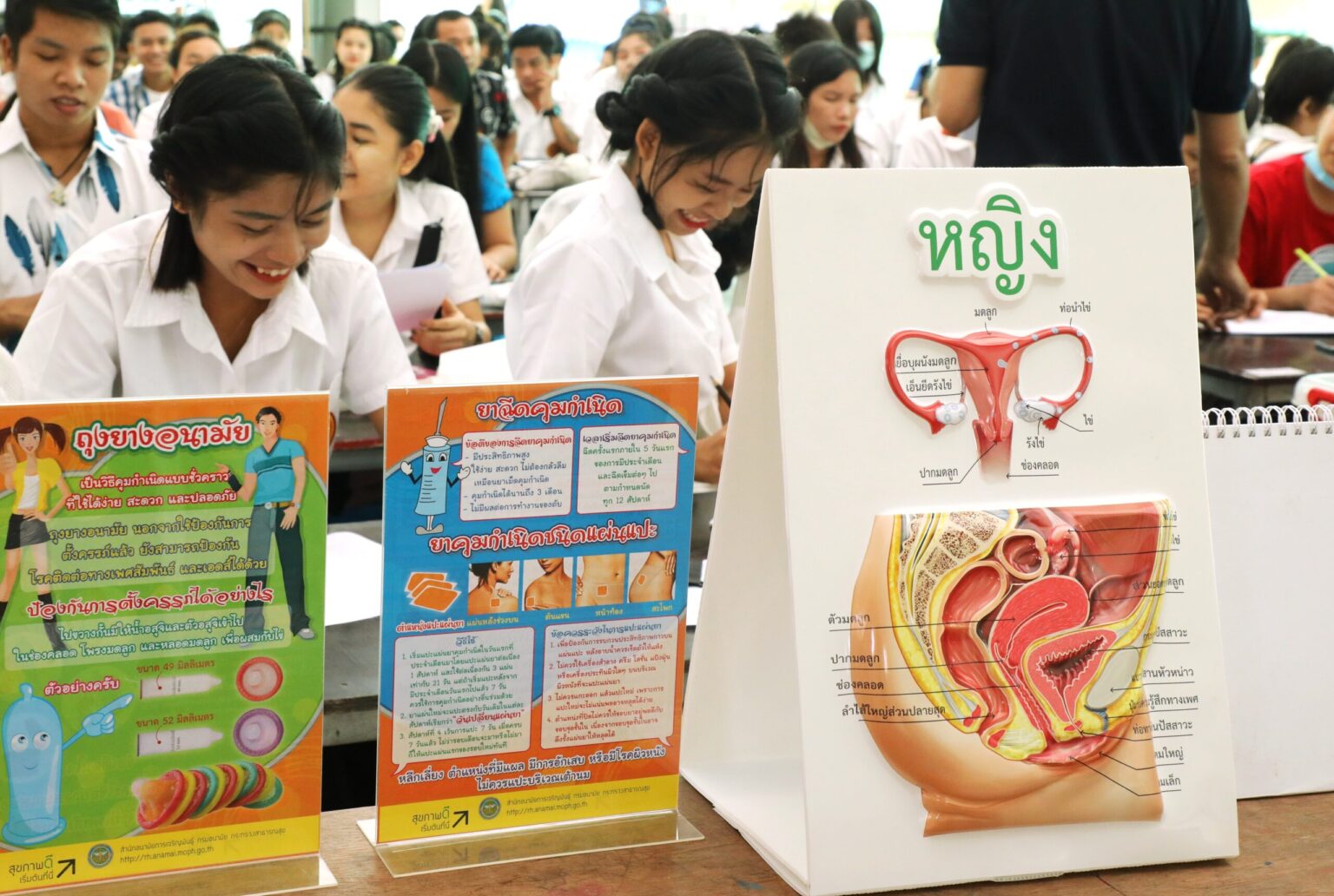
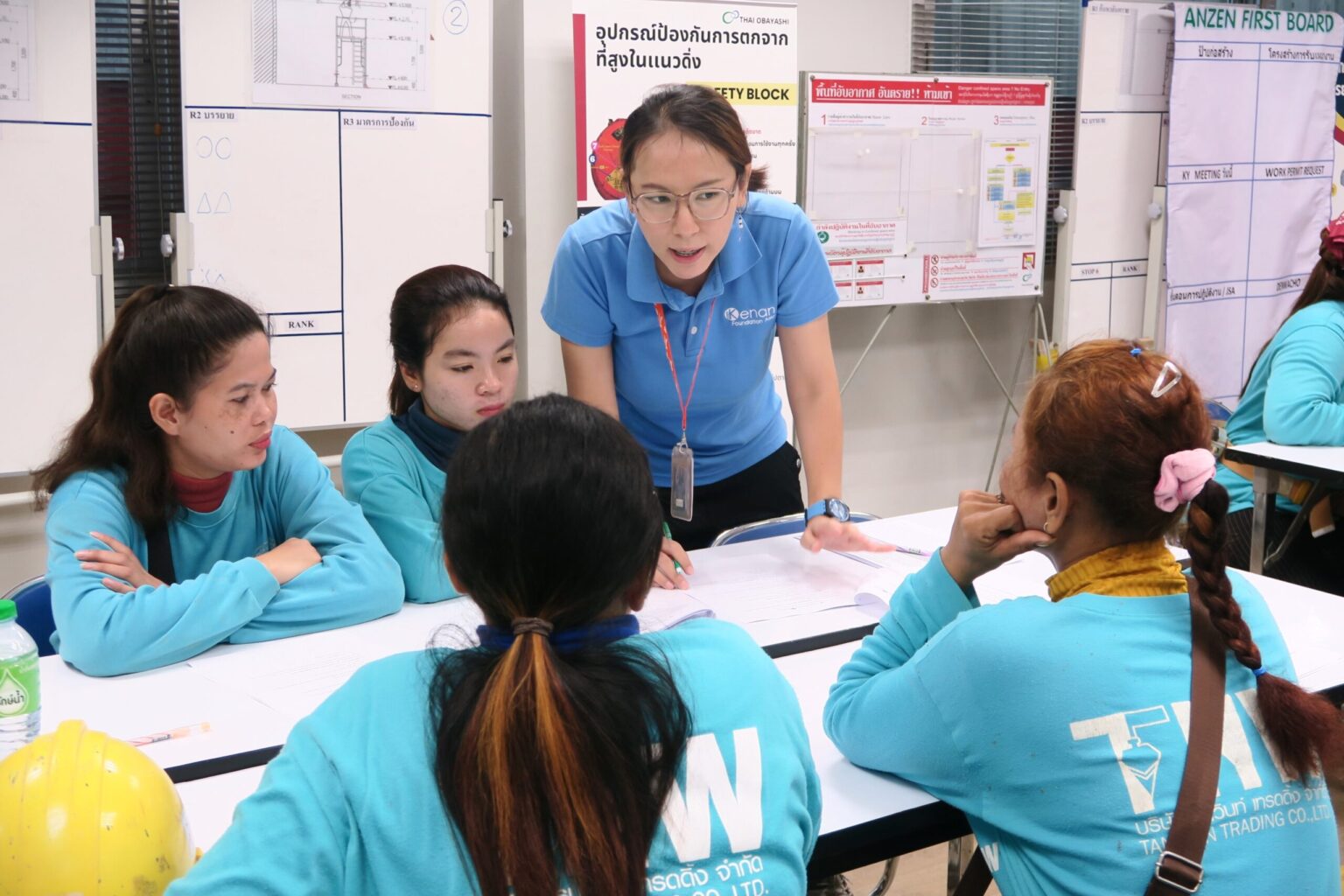
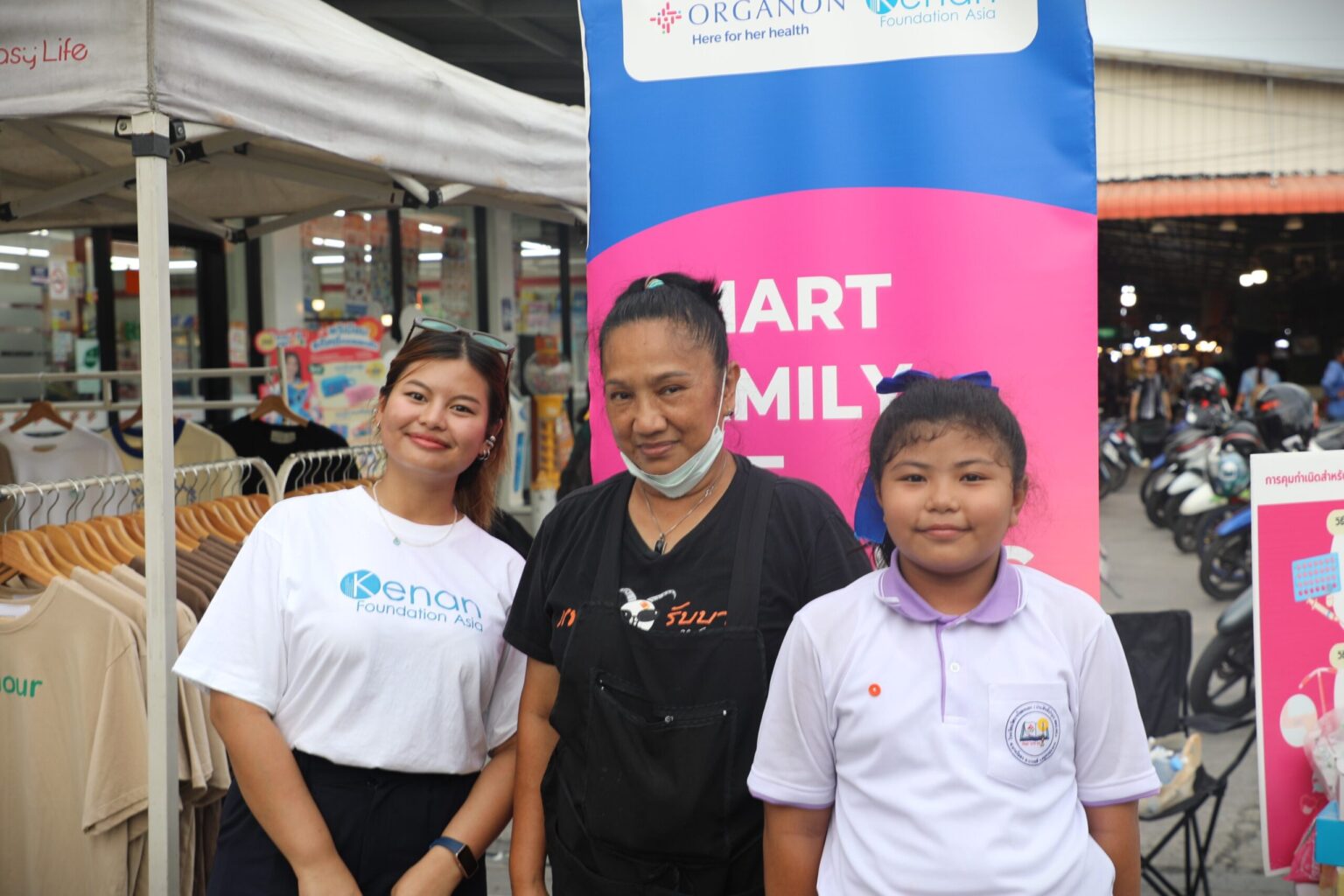
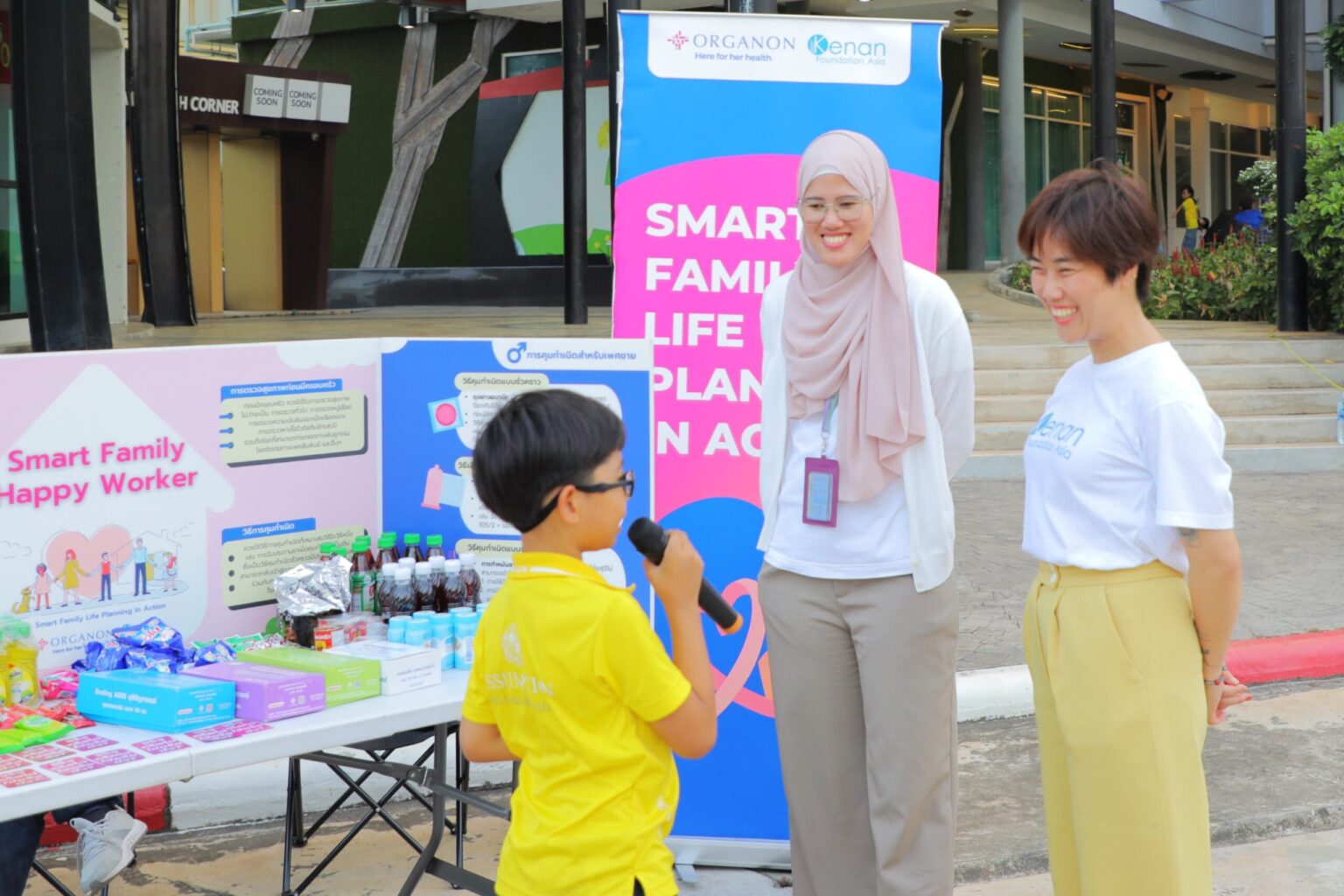
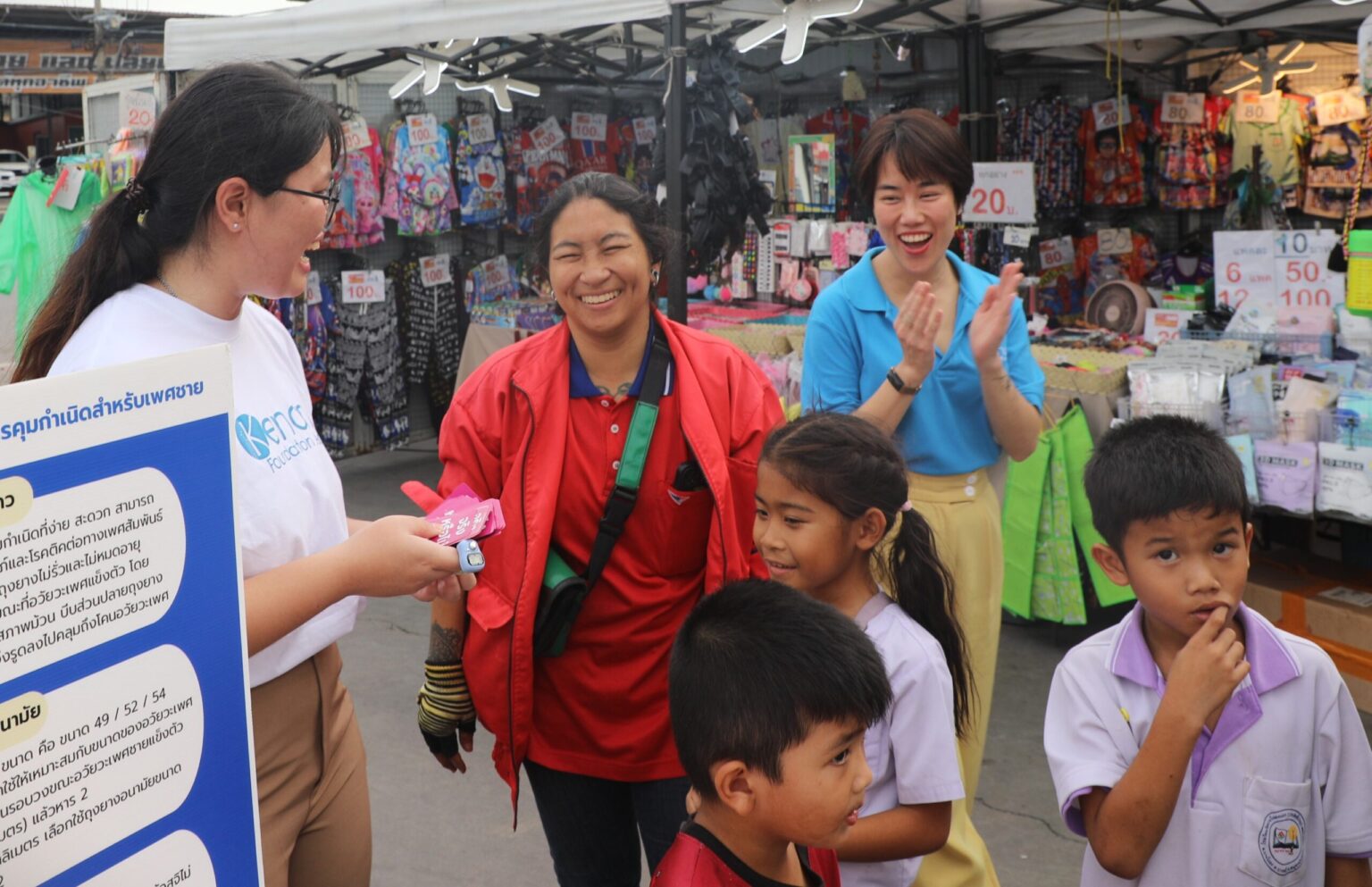
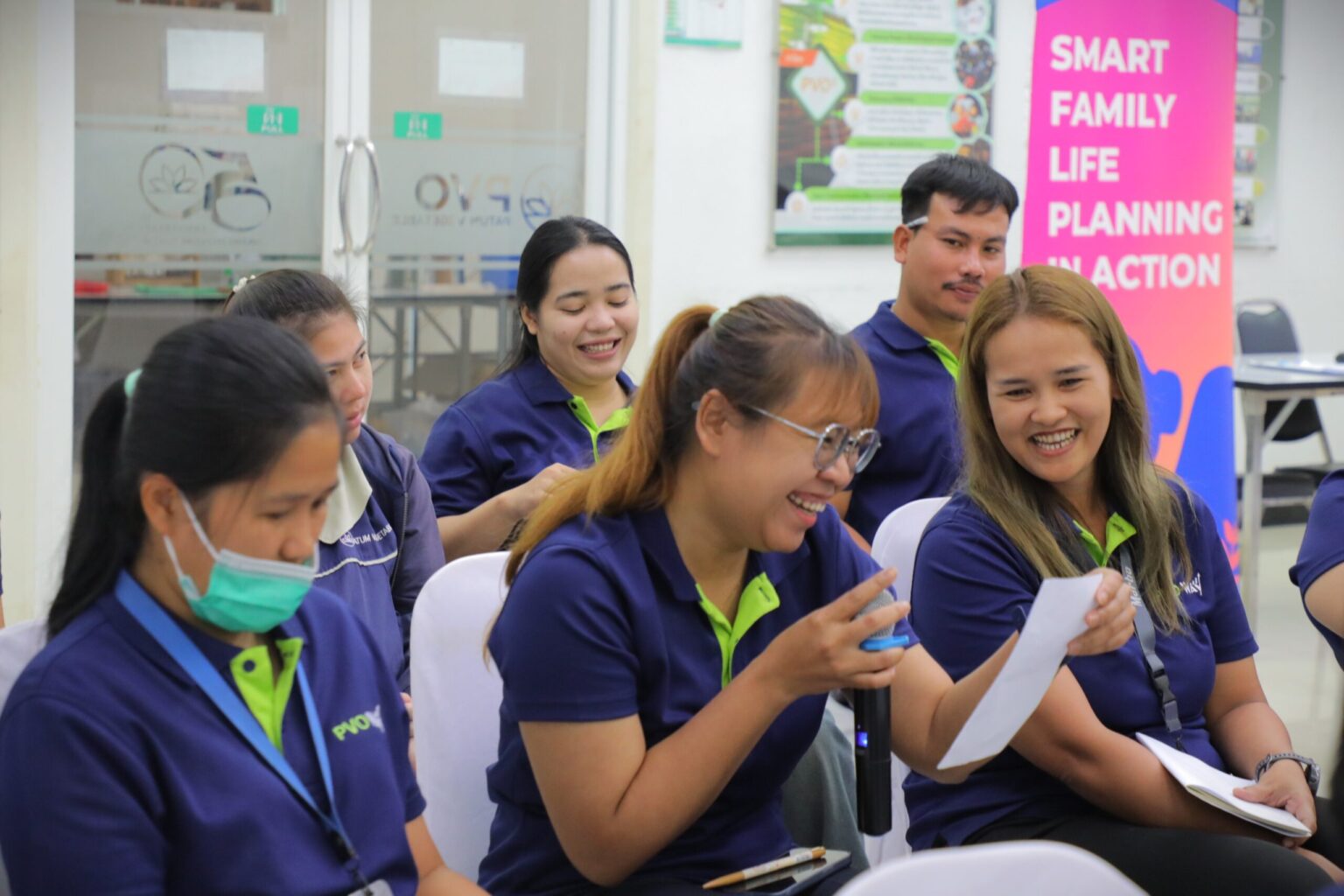
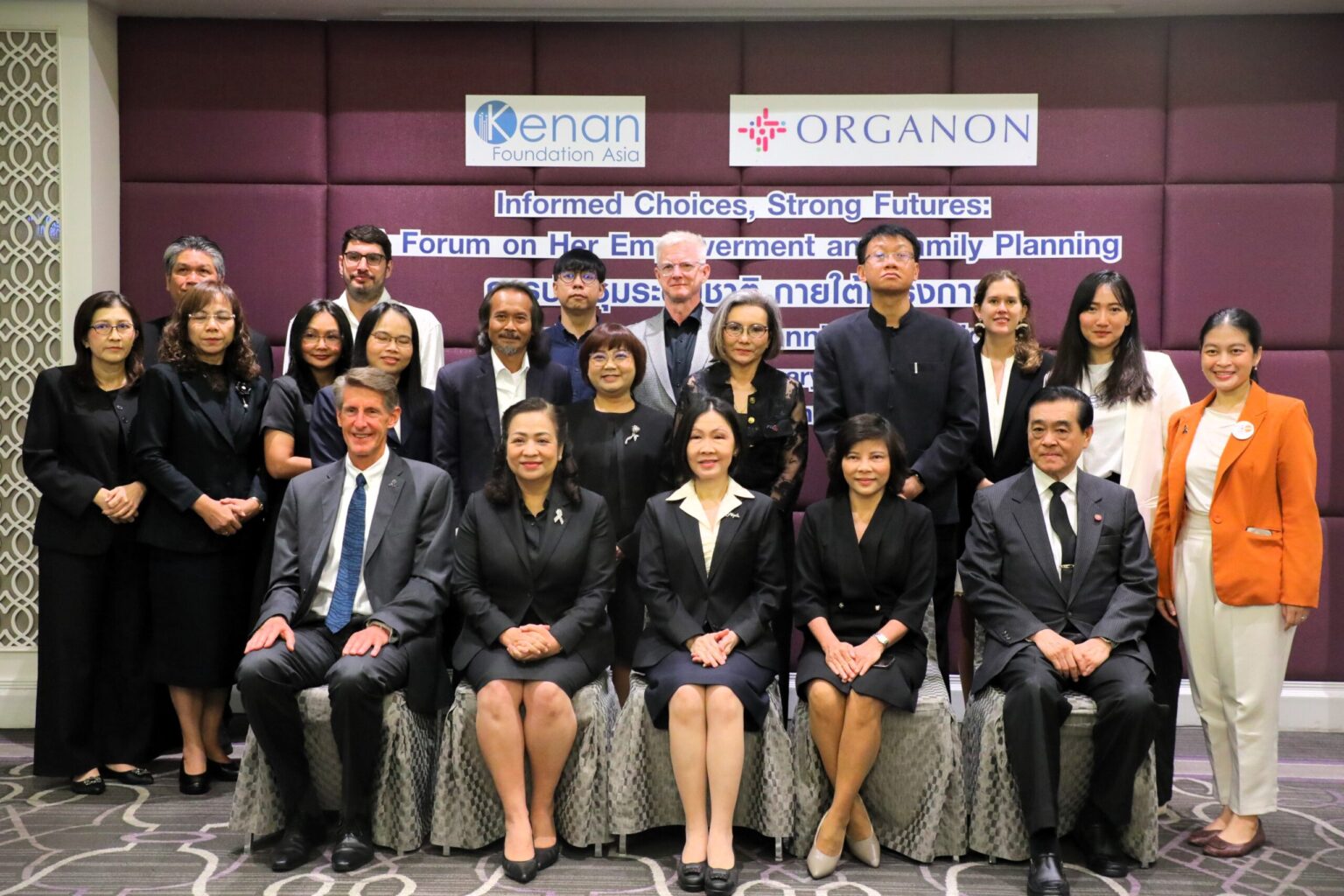
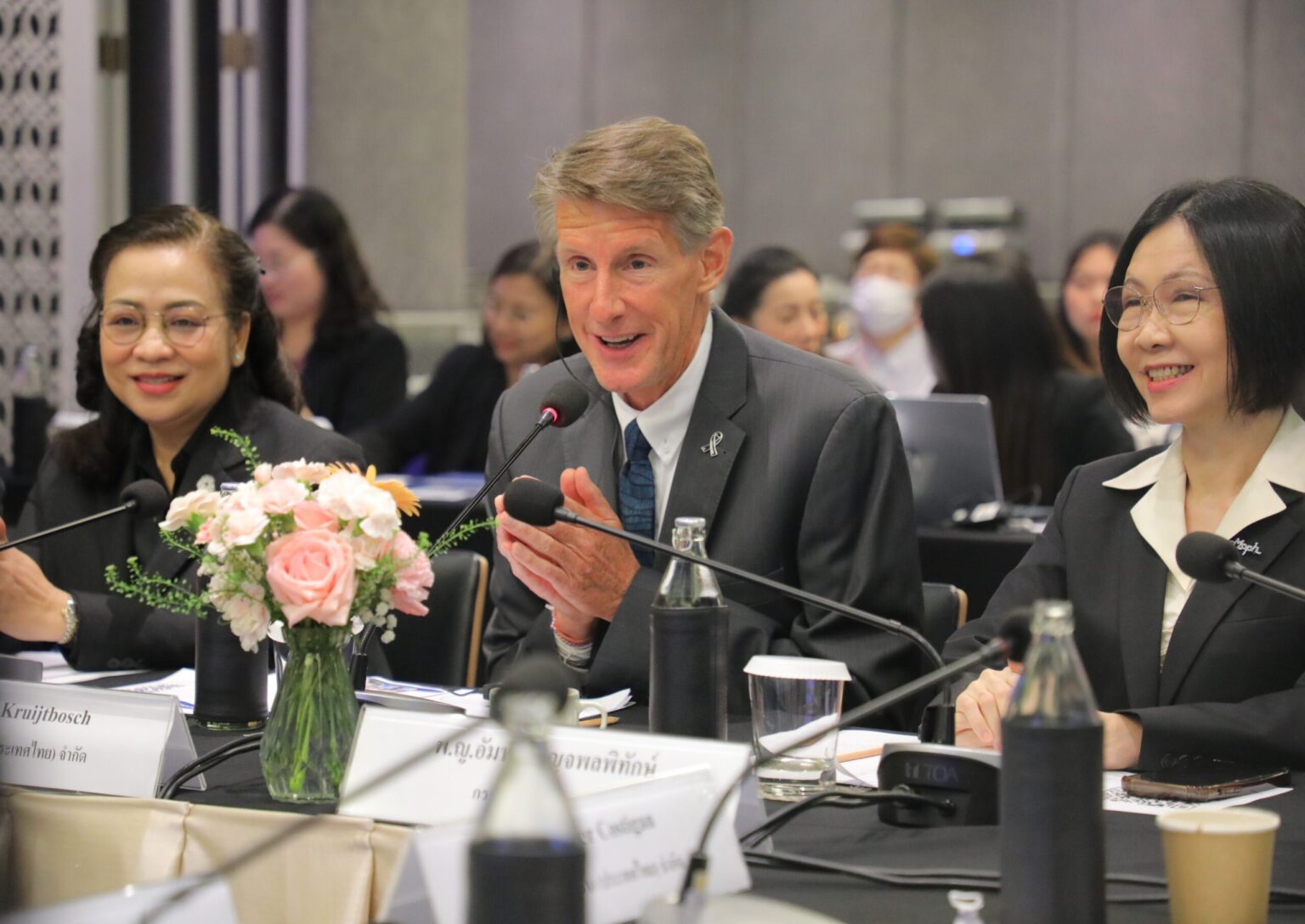
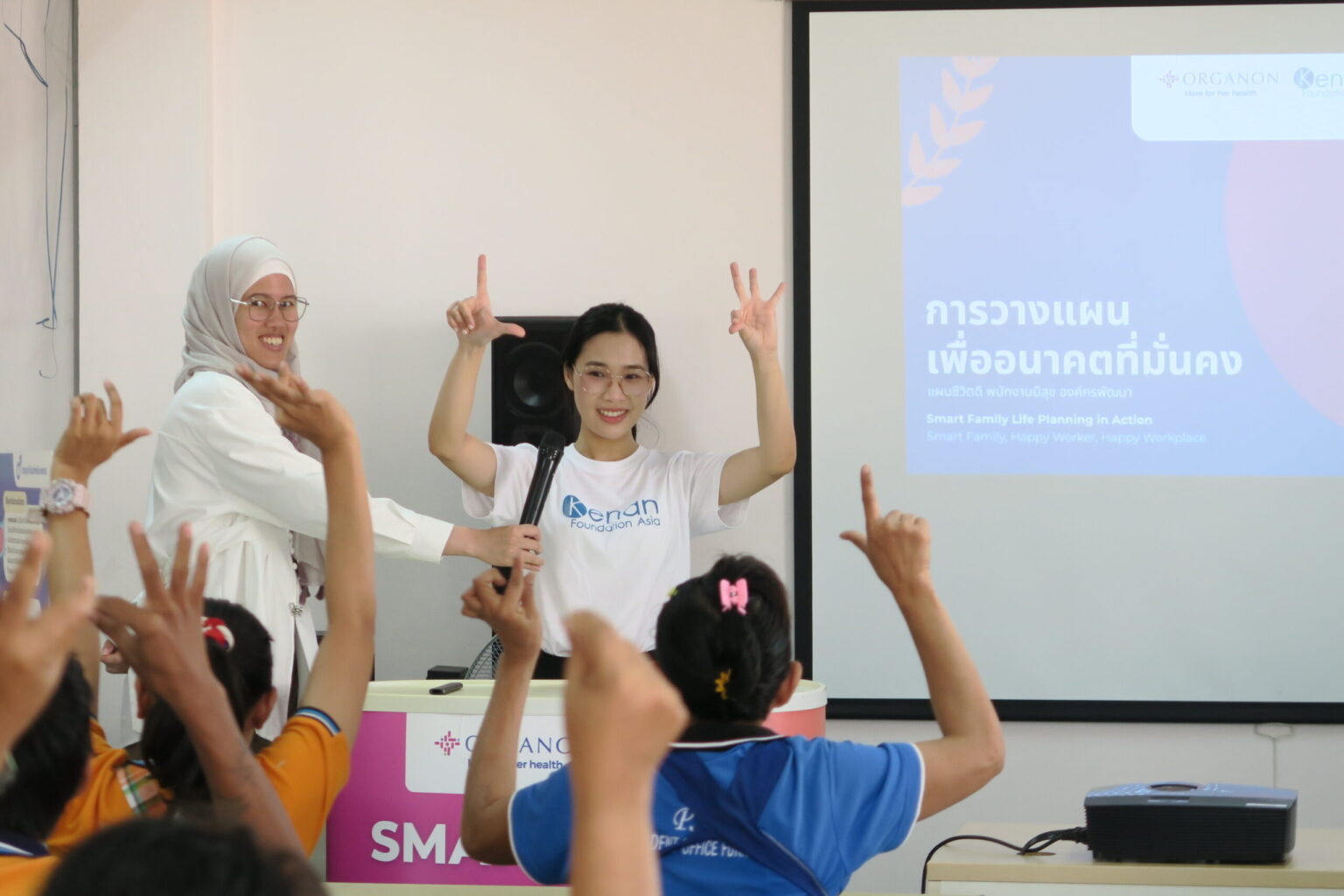
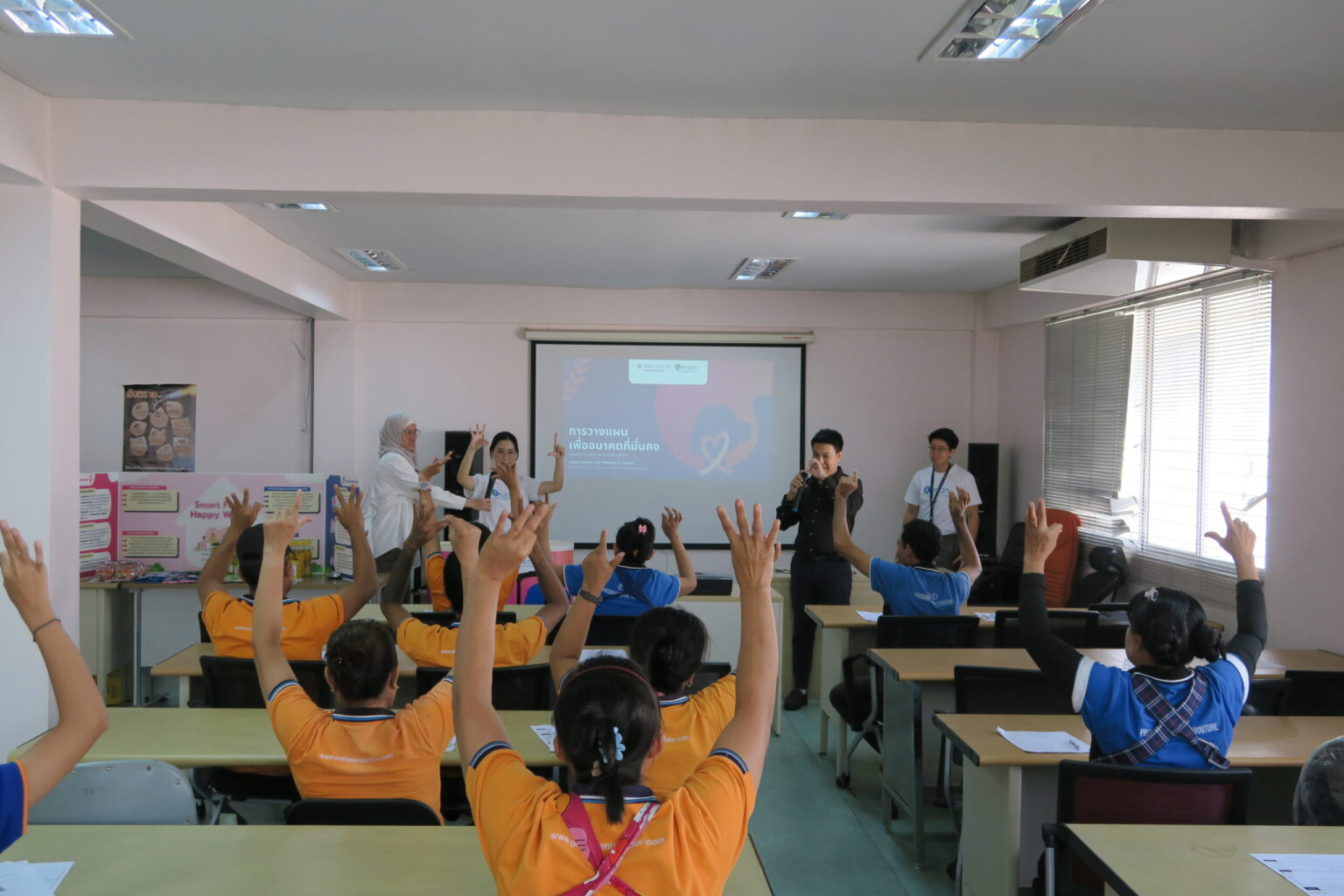
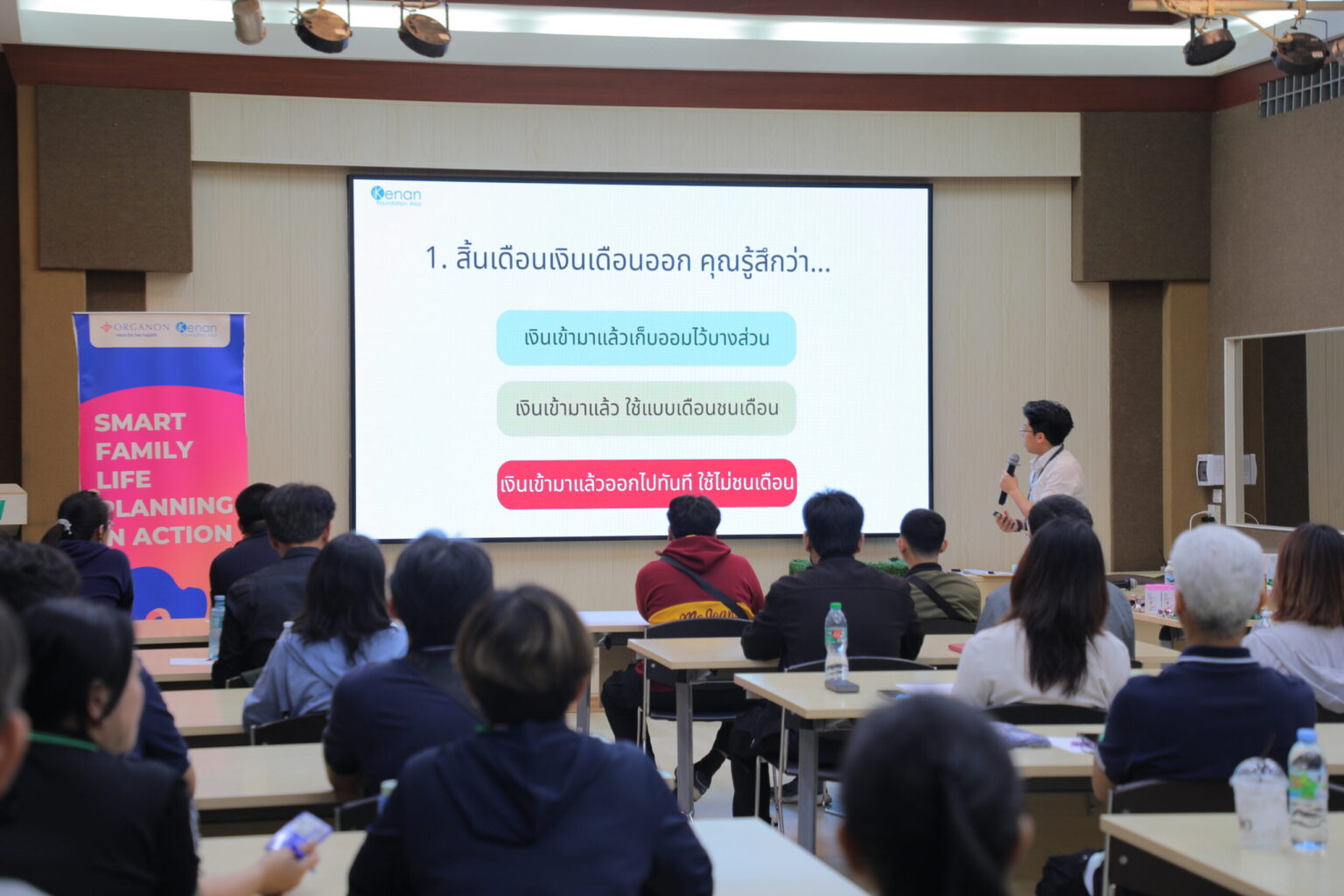
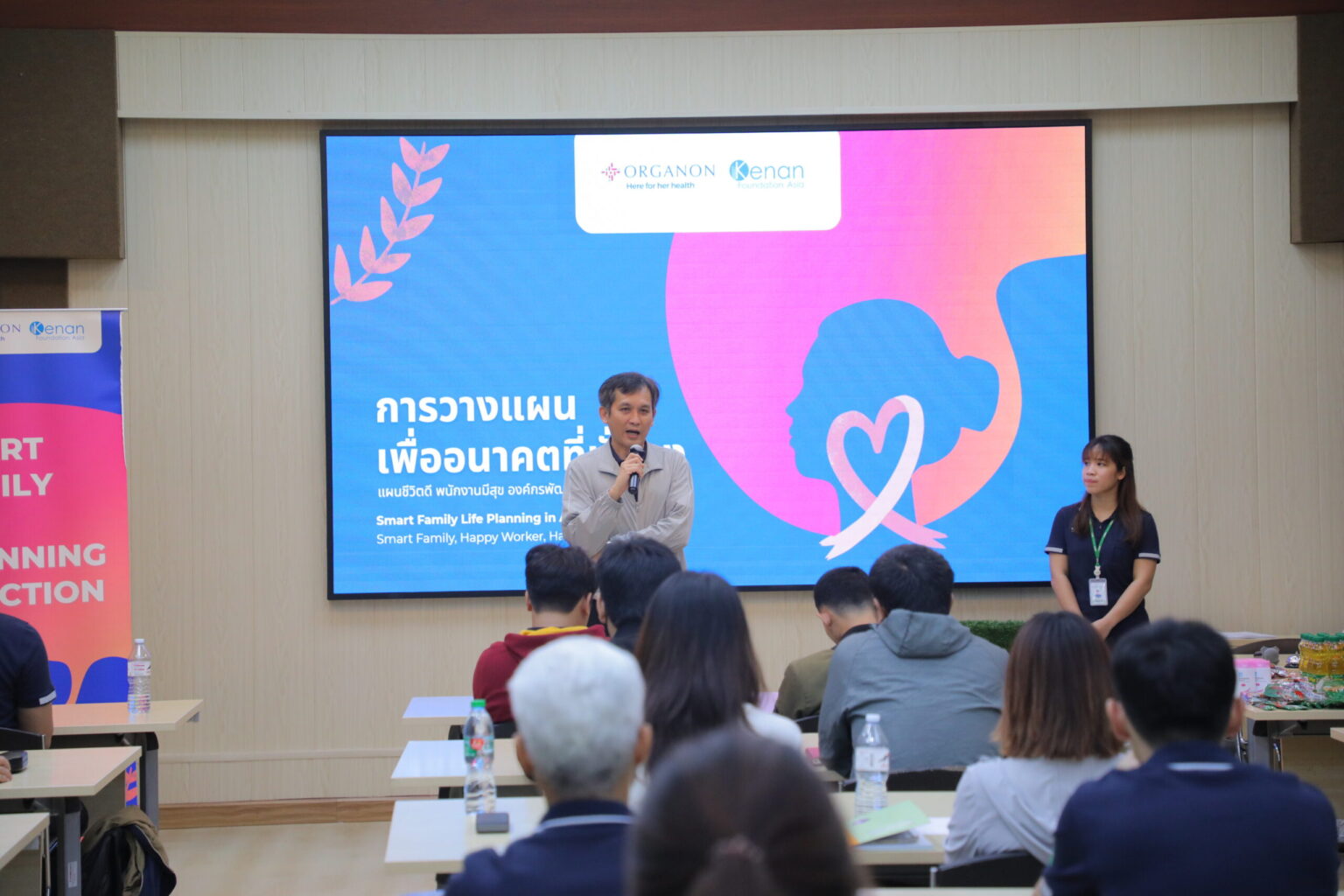
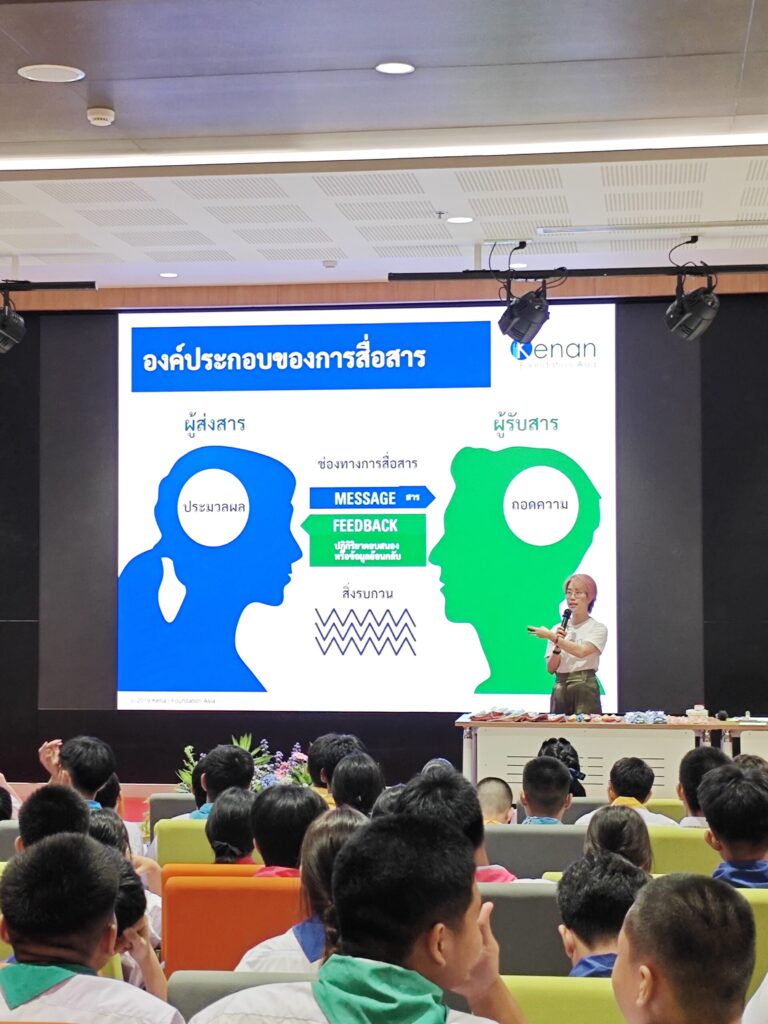
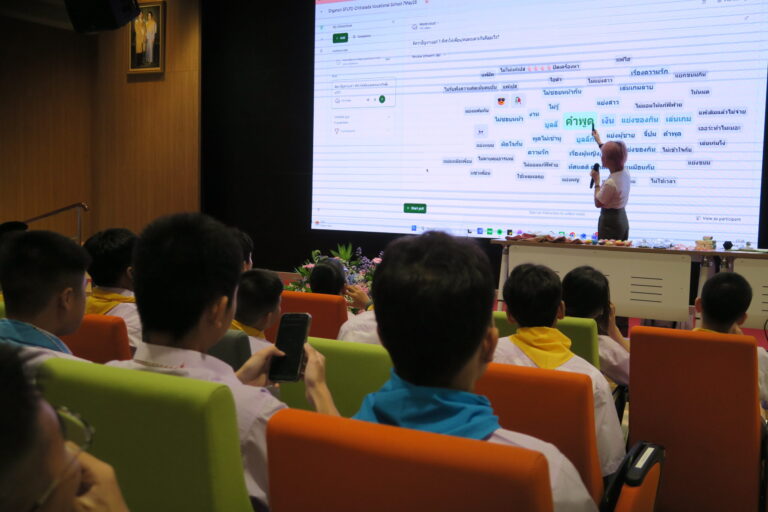
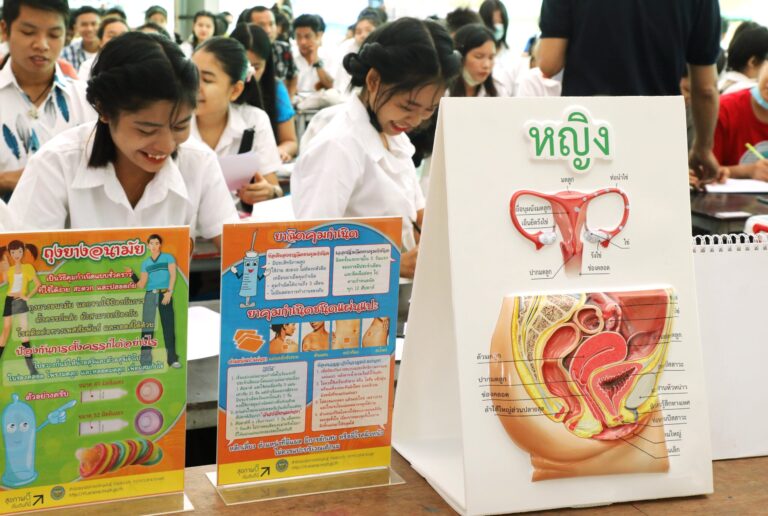
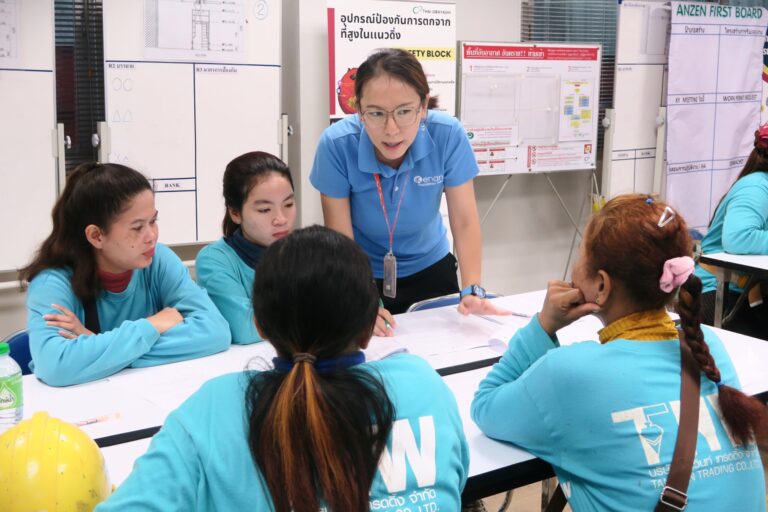
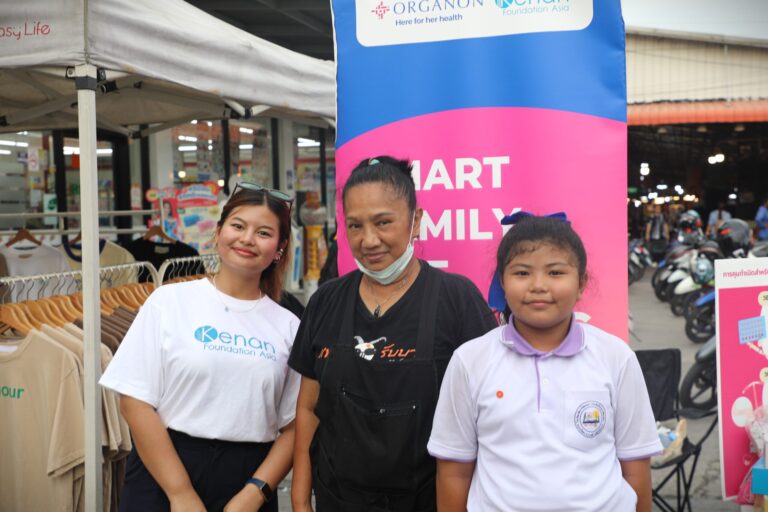
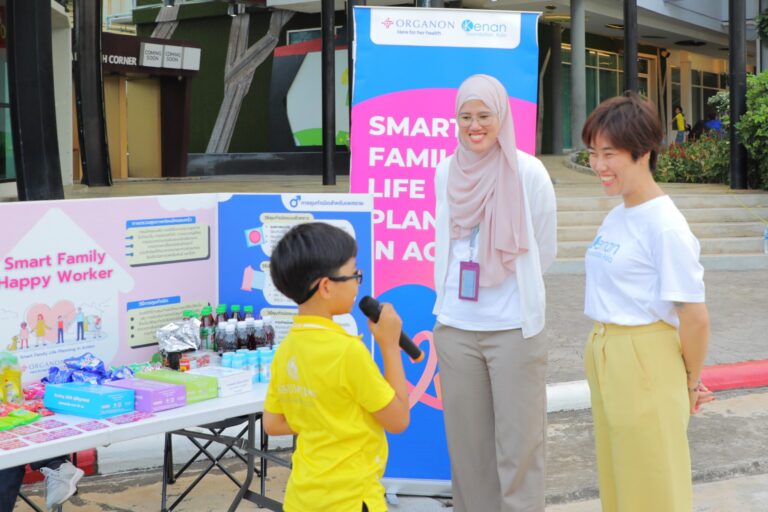
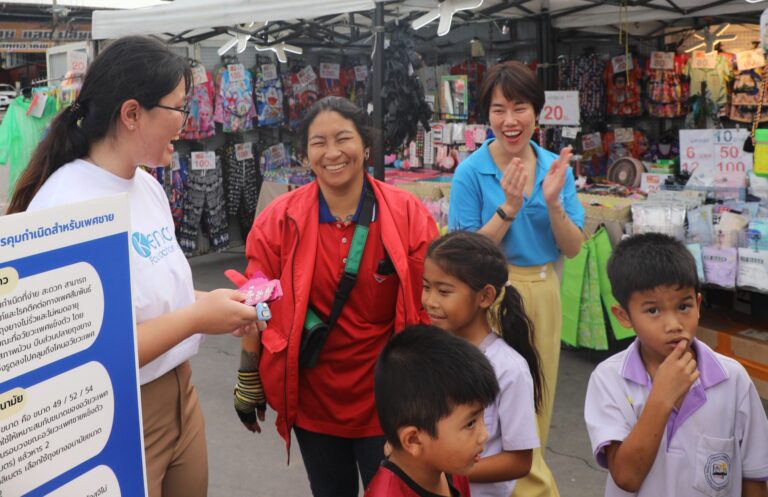
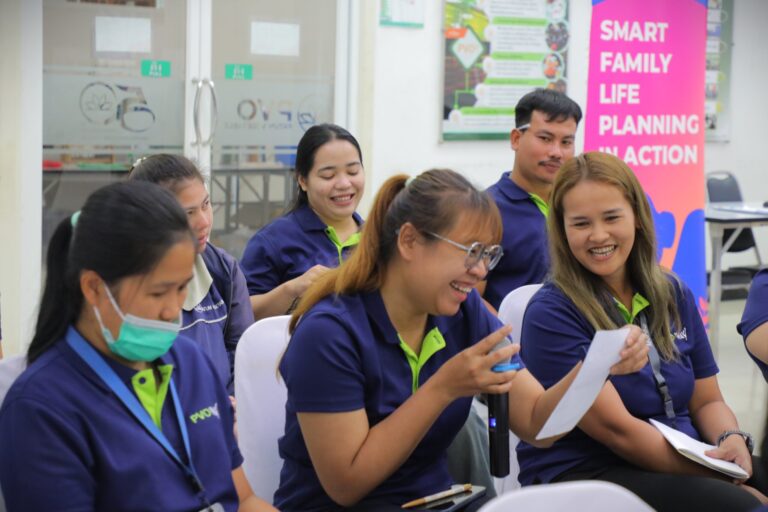
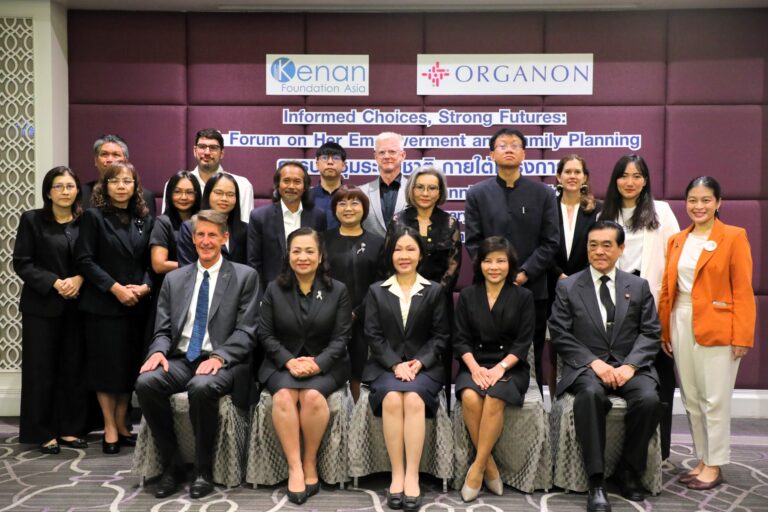
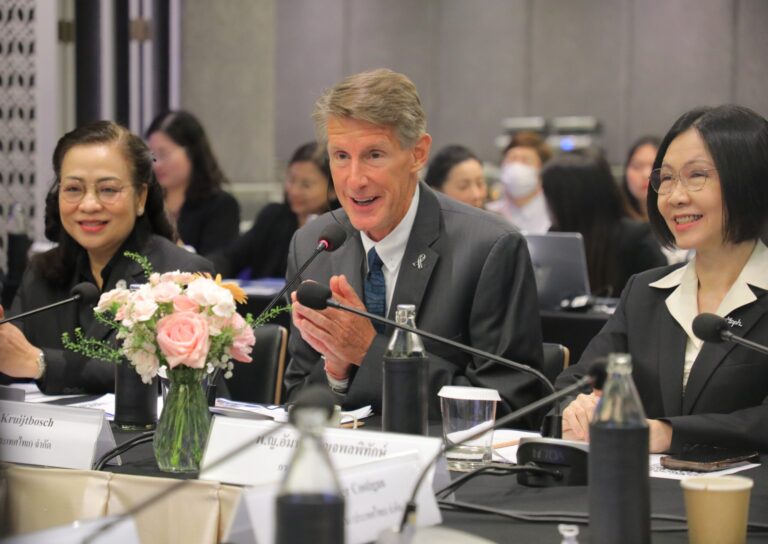
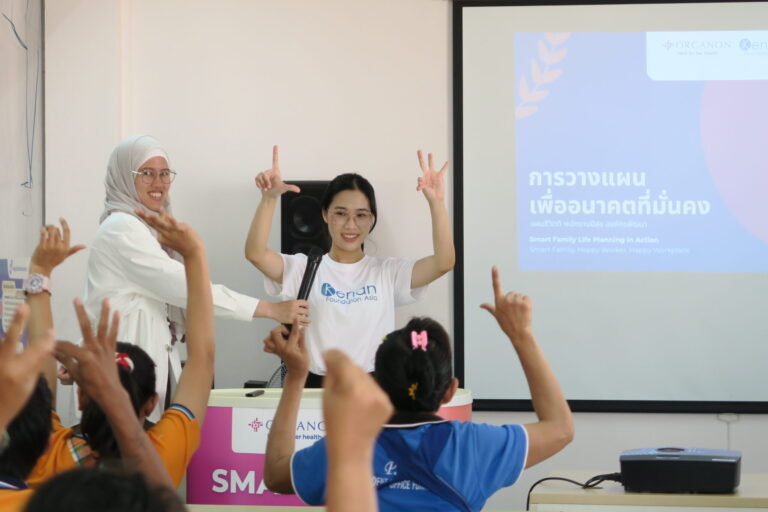
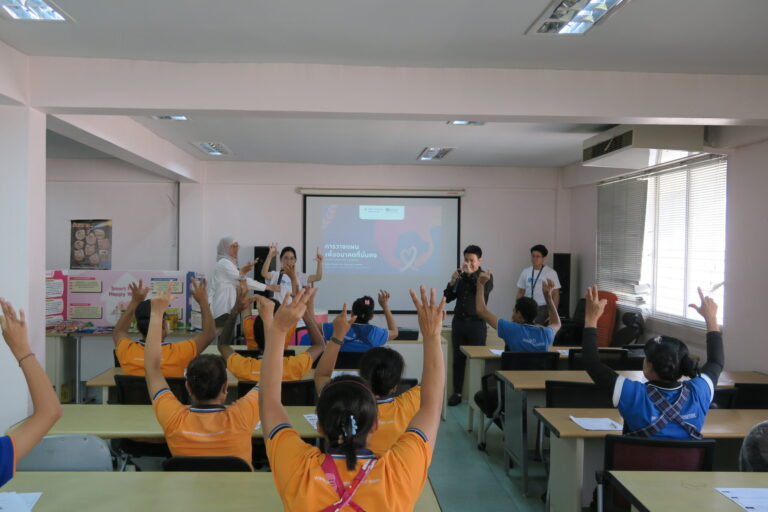
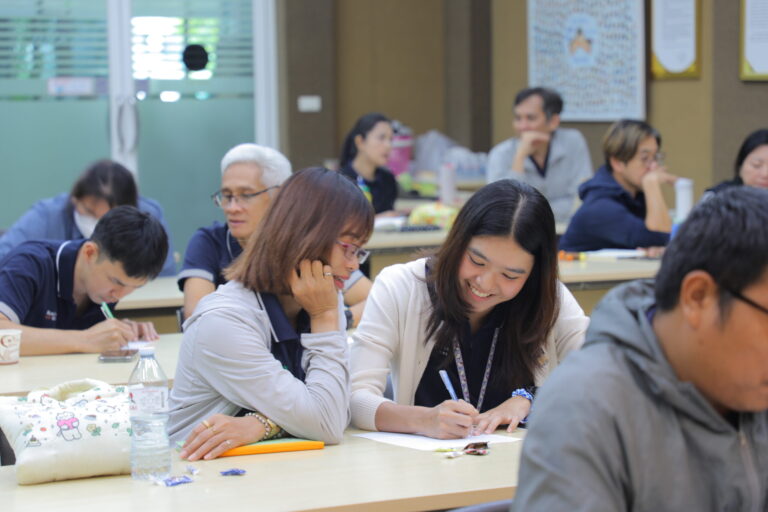
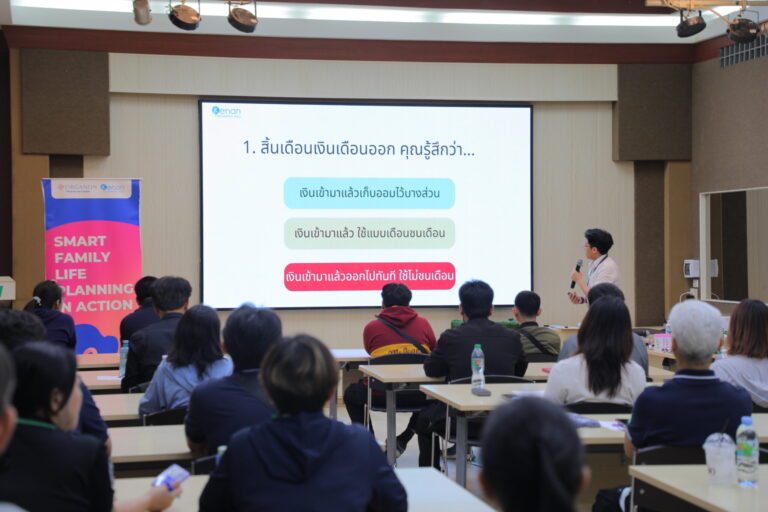
Six key activities comprise the project. On-the-ground activities in Rayong and Samut Prakan include 1) training of 2,400 factory workers and factory workers to increase their SRH knowledge, 21st century skills, and financial planning skills; 2) training of 60 change agents to increase their SRH and women’s empowerment capacities; and 3) mobile outreach to raise awareness of roughly 10,000 people in local communities about SRH key messages and services. Meanwhile, national-level efforts include 1) stakeholder engagement to form and foster an SFLP committee; 2) development of a policy white paper to promote appropriate policies/measures; and 3) sustainability planning and visibility promotion to encourage project expansion and replication.
THE PROJECT
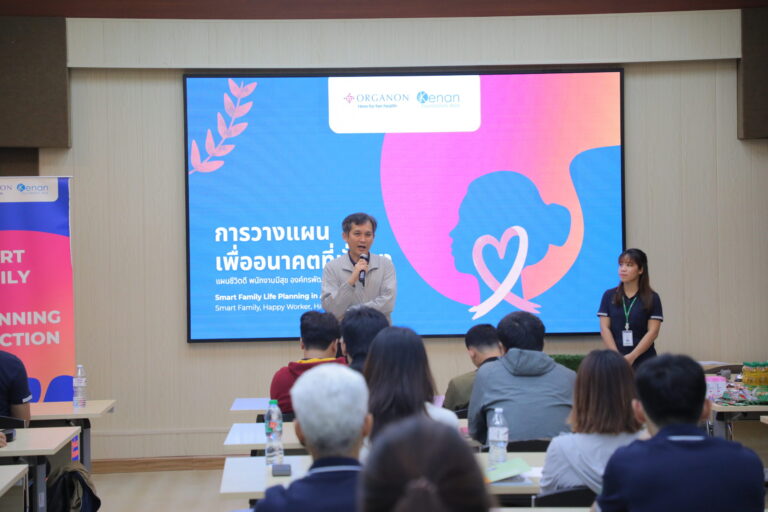
Smart Family Life Planning in Action aims to empower young vulnerable women in Thailand to improve their lives through SFLP, with interventions implemented both on the ground and at the national policy level. On-the-ground interventions will target female factory workers in Rayong and female migrant workers in Samut Prakan by building their SFLP capacities and fostering change agents within their immediate ecosystem. At the policy level, the project will establish a committee to promote SFLP through policy transformation and programming sustainability.
OUTCOME EXPECTED
The project is expected to help women in factories and migrant communities in Rayong and Samut Prakan have increased SRH knowledge, increased access to SRH services, improved workplace opportunities, and have applied financial planning skills to real life. In the long term, it will help improve policies and procedures to promote SFLP at the national level.