Project Background and Rationale
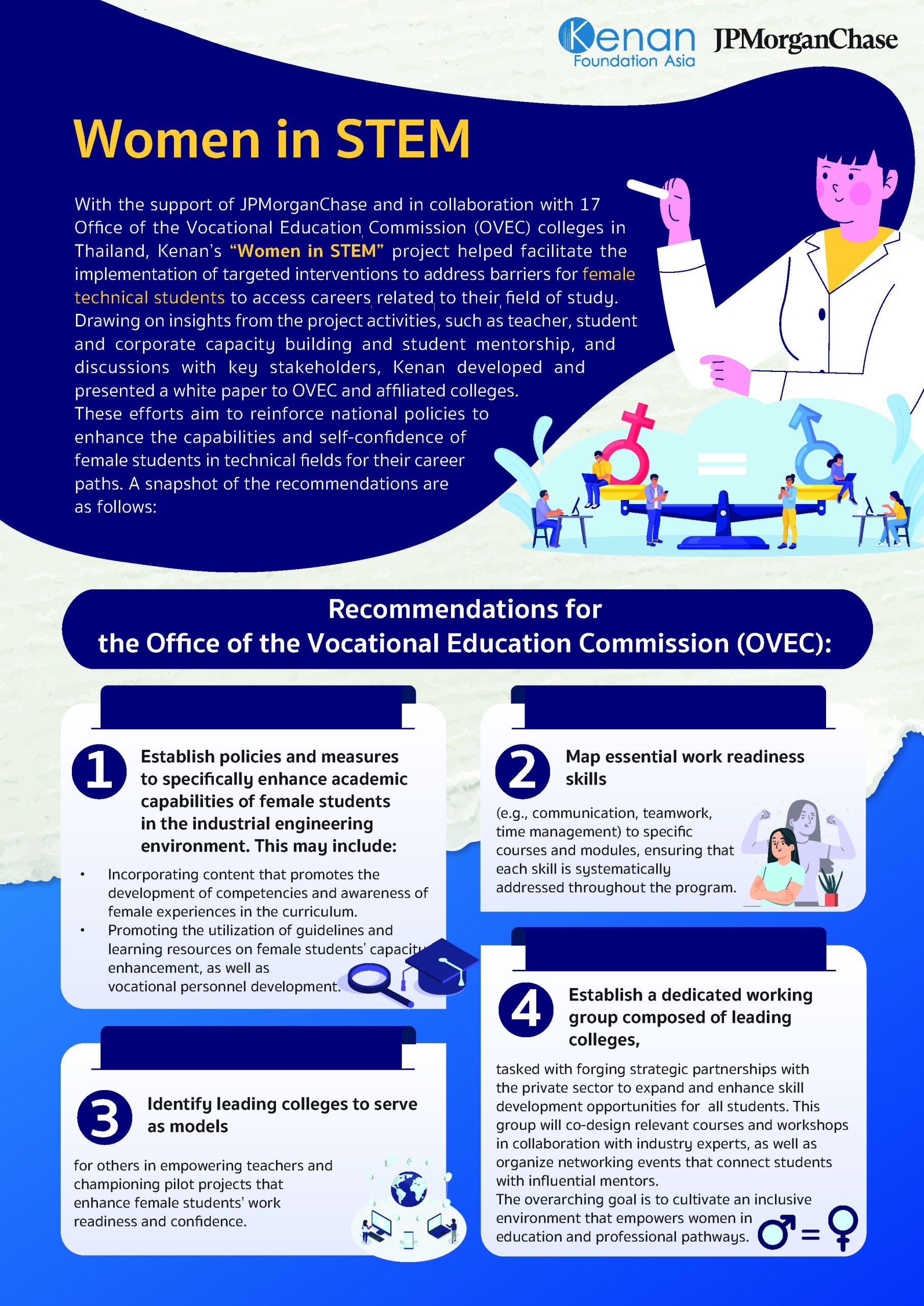
The Thai government supports the growth of the industrial sector under the Thailand 4.0 policy, yet there is still a shortage of professionals in STEM fields. Increased demand highlights the need to develop high-quality professionals. Currently, men are predominant in industrial professions, but this project emphasizes the importance of women’s role in developing the country’s industry. The project aims to empower female STEM students by equipping them with technical, workplace, and social skills, particularly in male-dominated environments.
The project is designed to prepare female students for successful internships and future careers by collaborating with companies and educational institutions. It includes internship-readiness training, job-seeking skills, and strategies for adapting to professional environments after graduation.
Project Objectives
- Develop internship guidelines for female students and distribute these resources to relevant stakeholders.
- Equip female vocational students in engineering fields with skills for internships, job applications, and workplace adaptability.
Project Activities
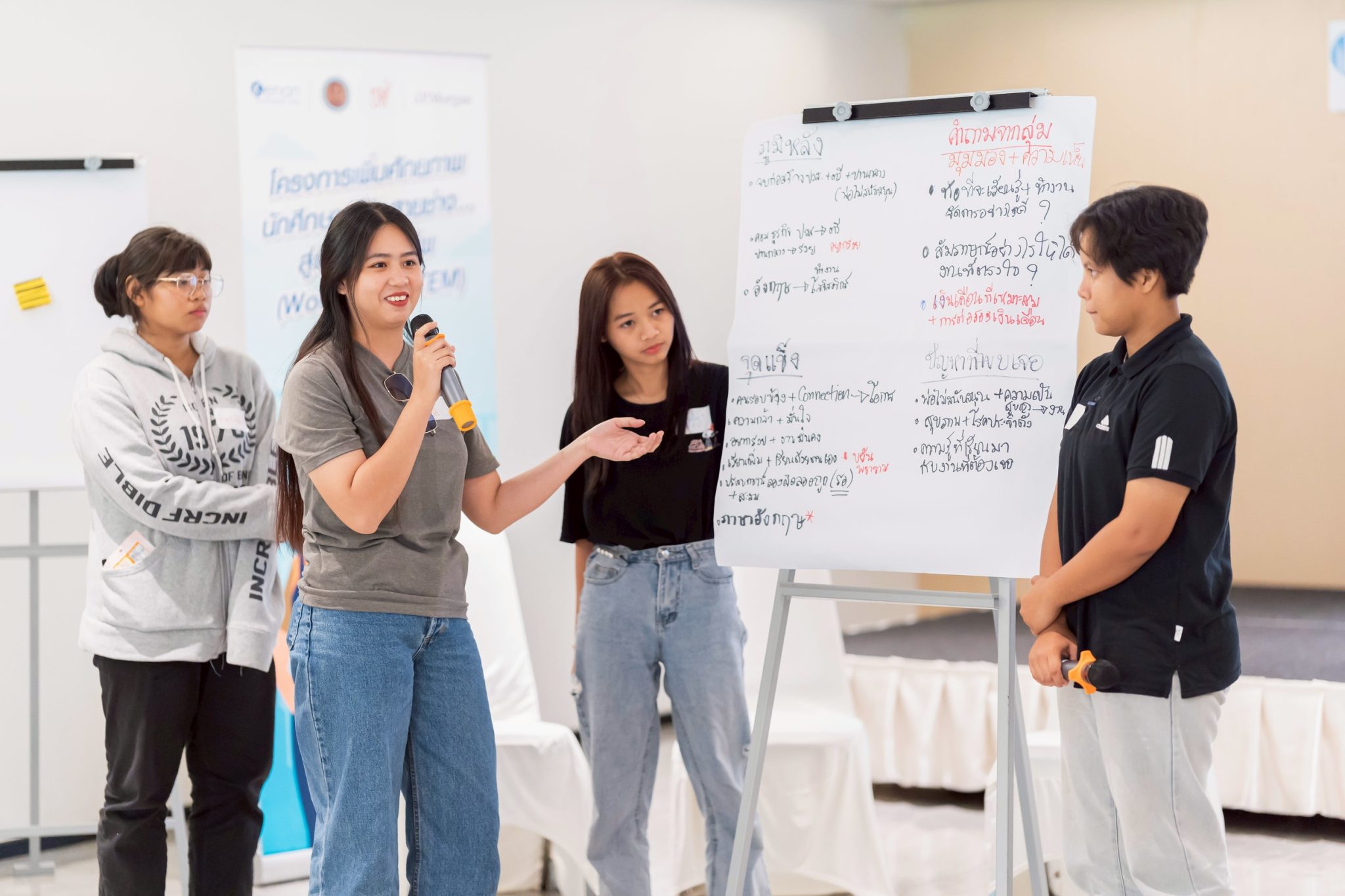
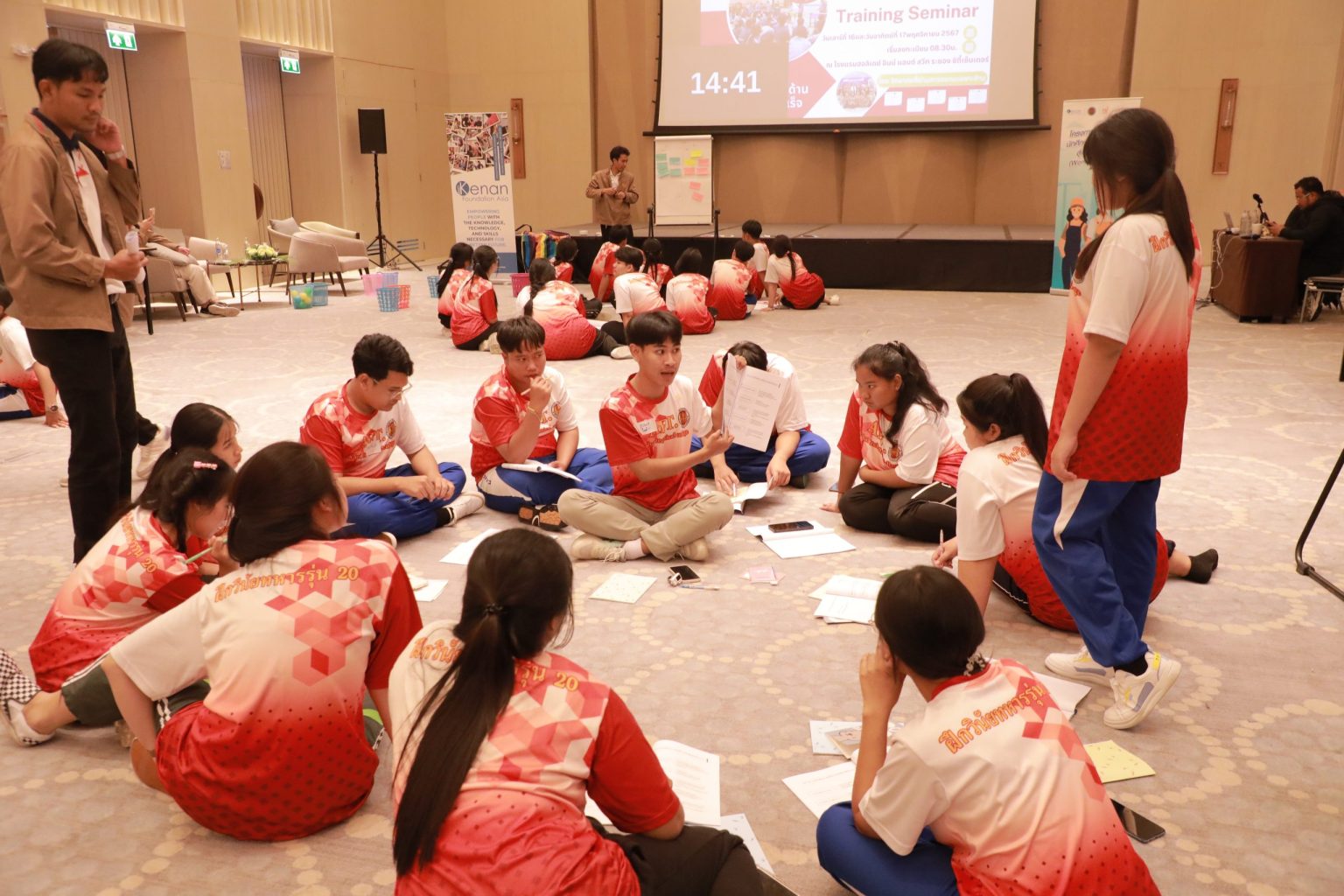
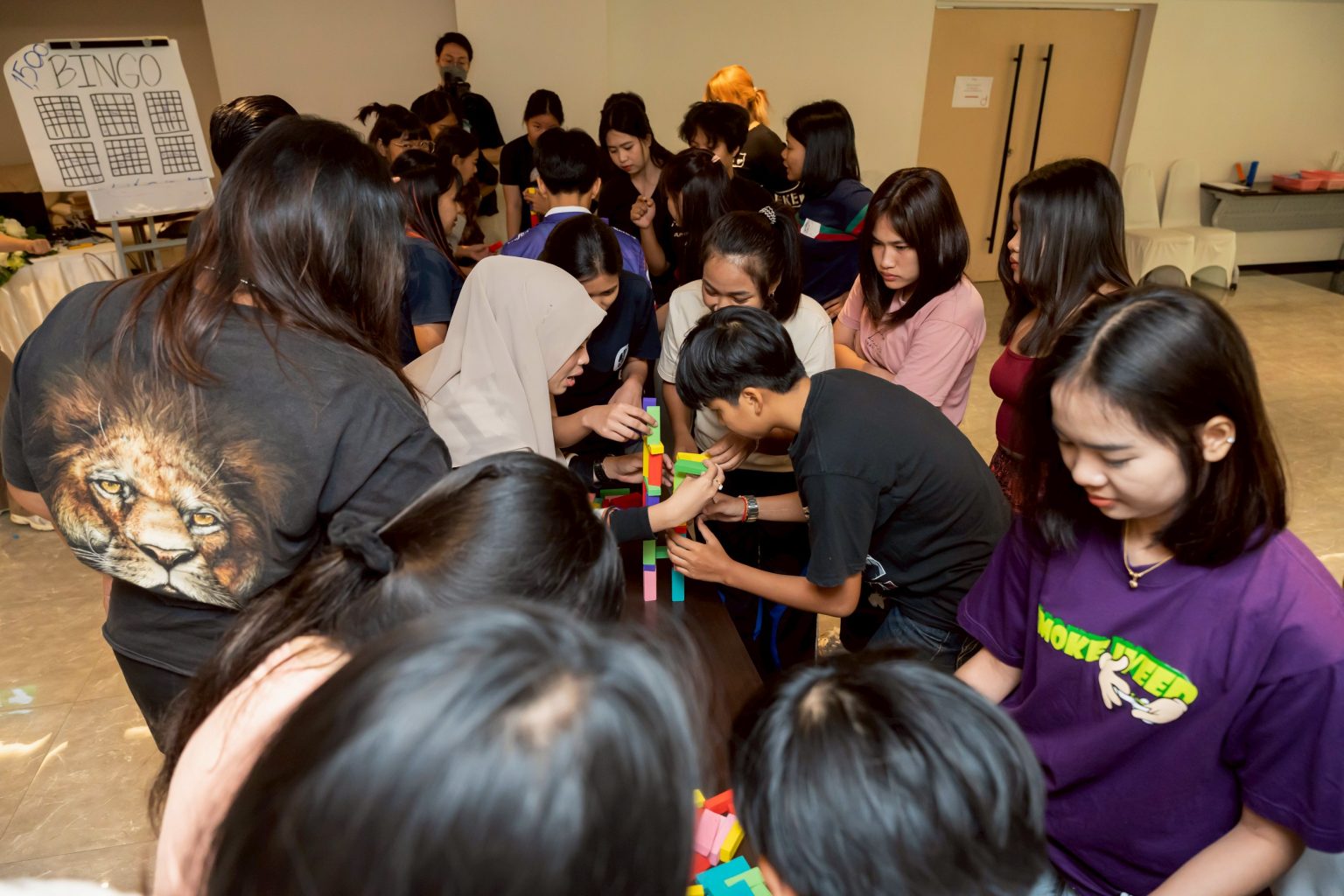
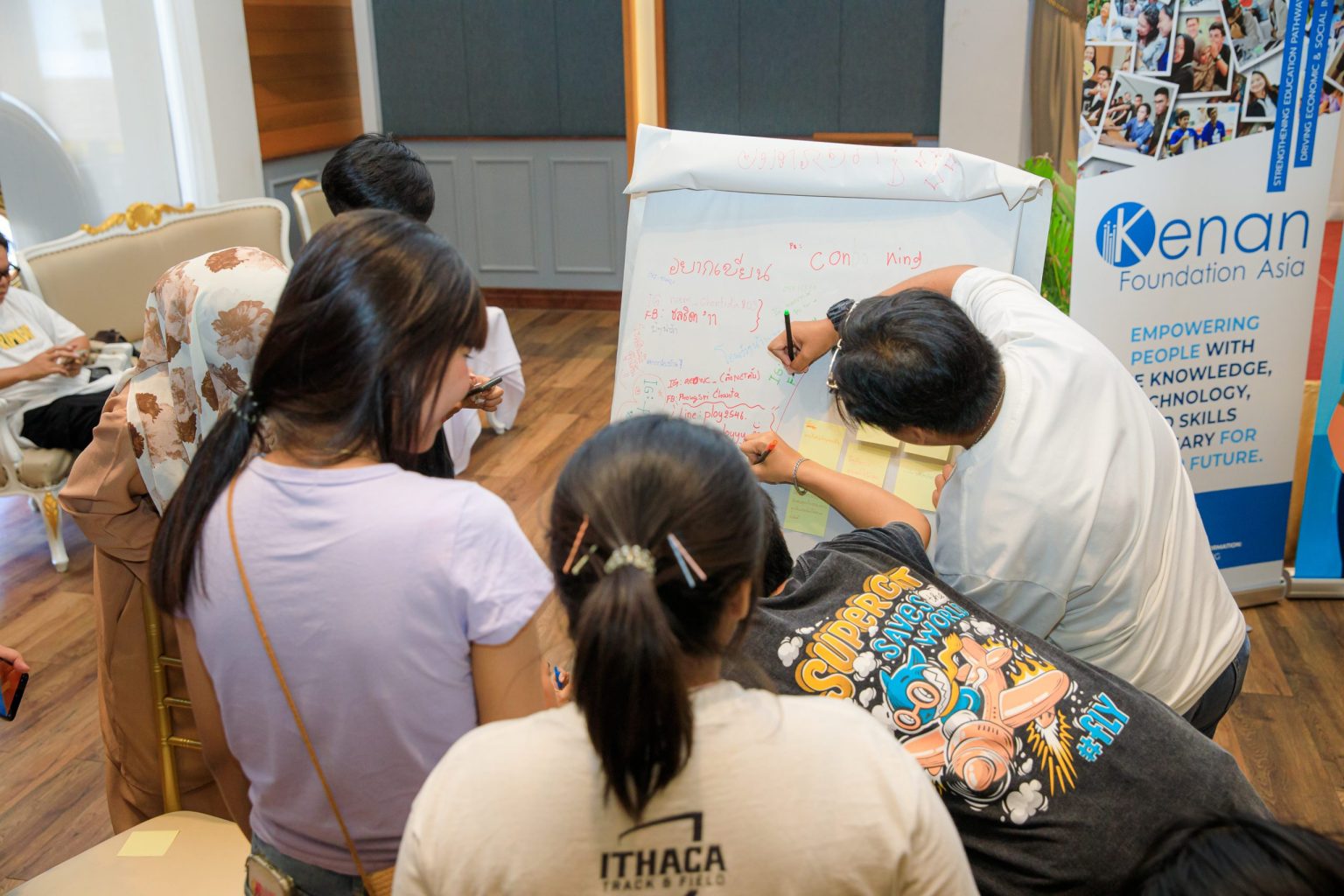
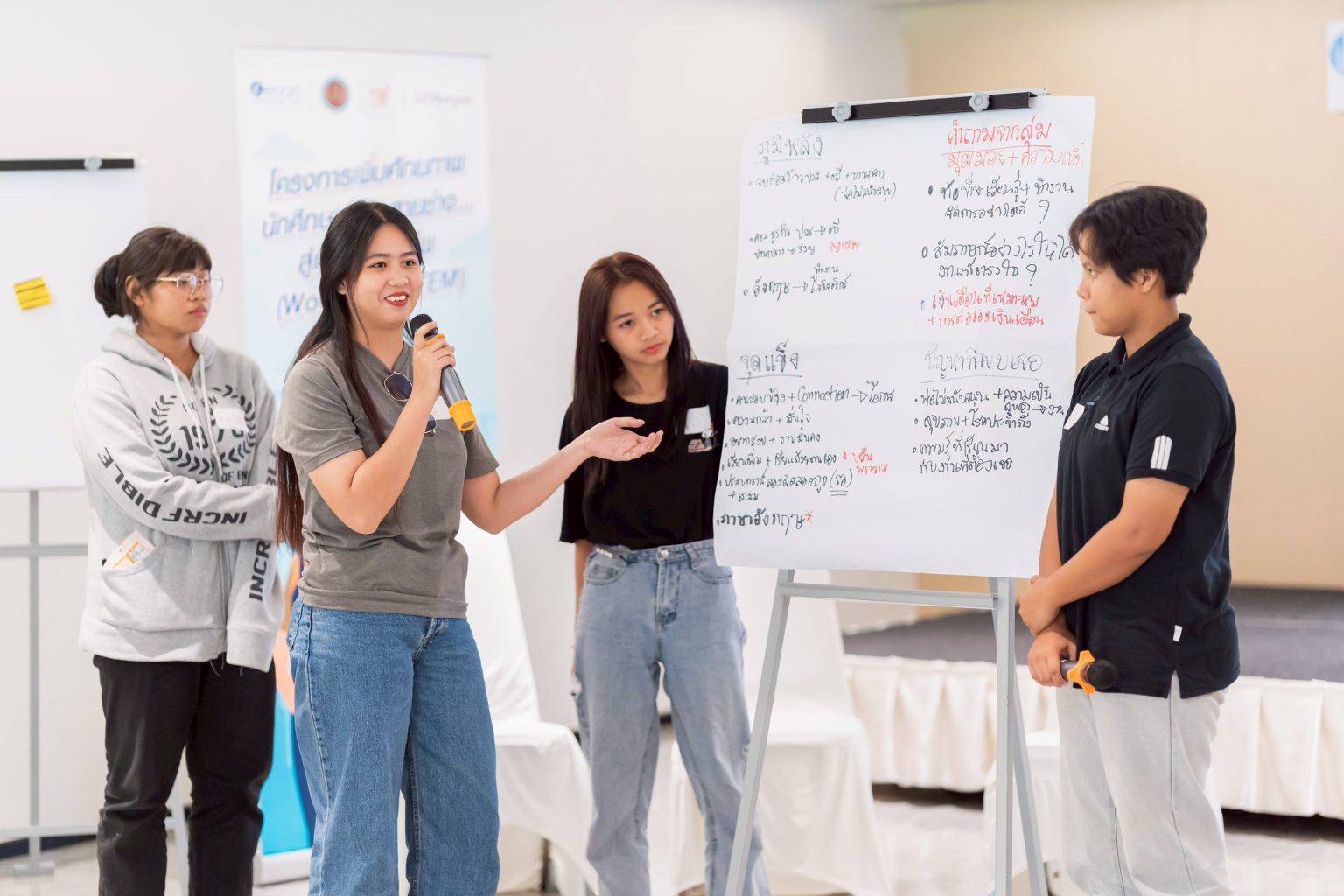
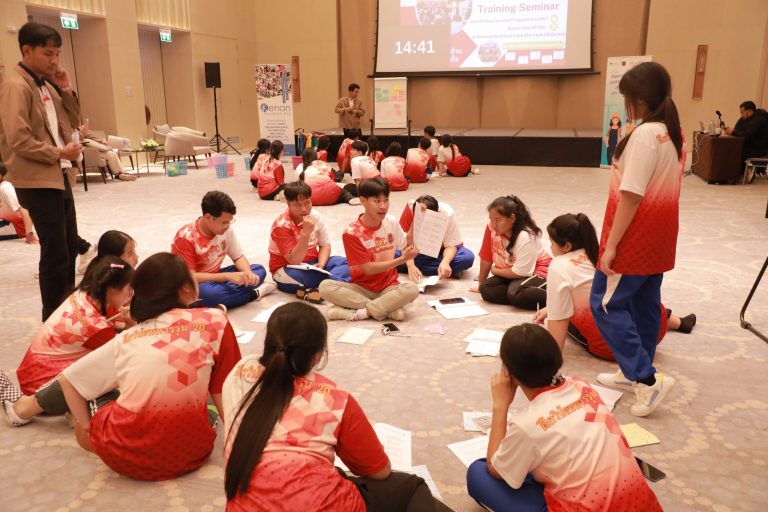
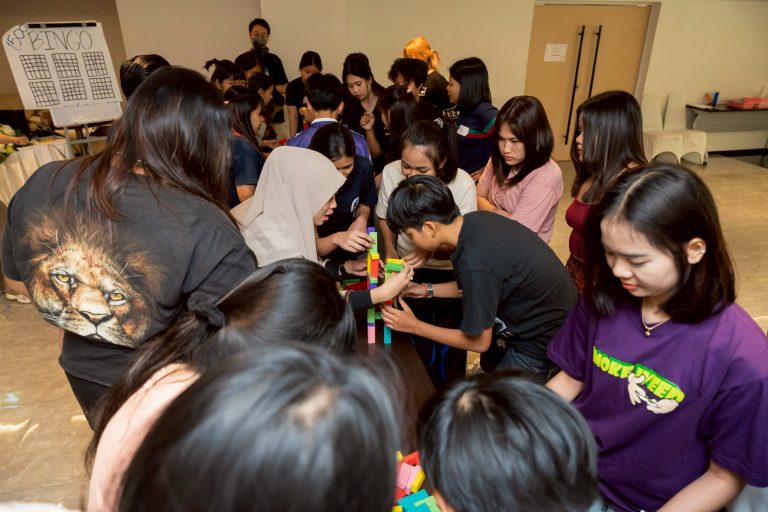
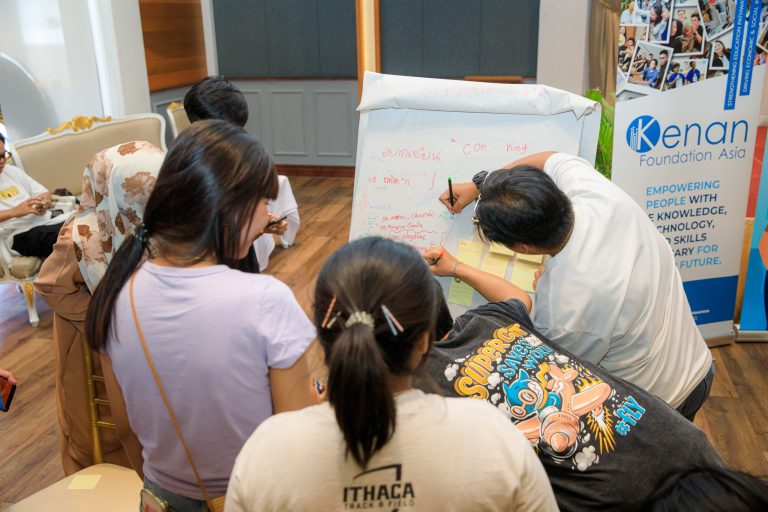
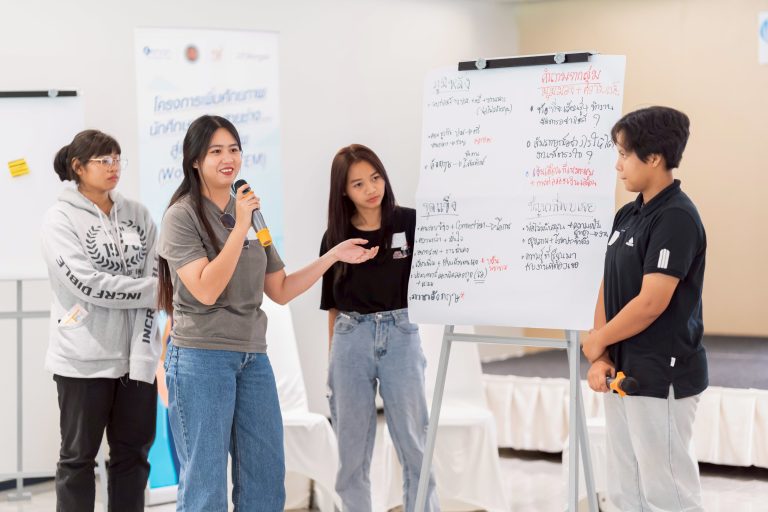
- Training sessions to prepare female students for internships.
- Workshops with companies on coaching and supervising diverse teams, optimizing the internship experience.
- Workshops for vocational college teachers on coaching and advising female interns.
- Job application and workplace adaptation training for female students.
- Mentorship for job-seeking and workplace adjustment for recent graduates.
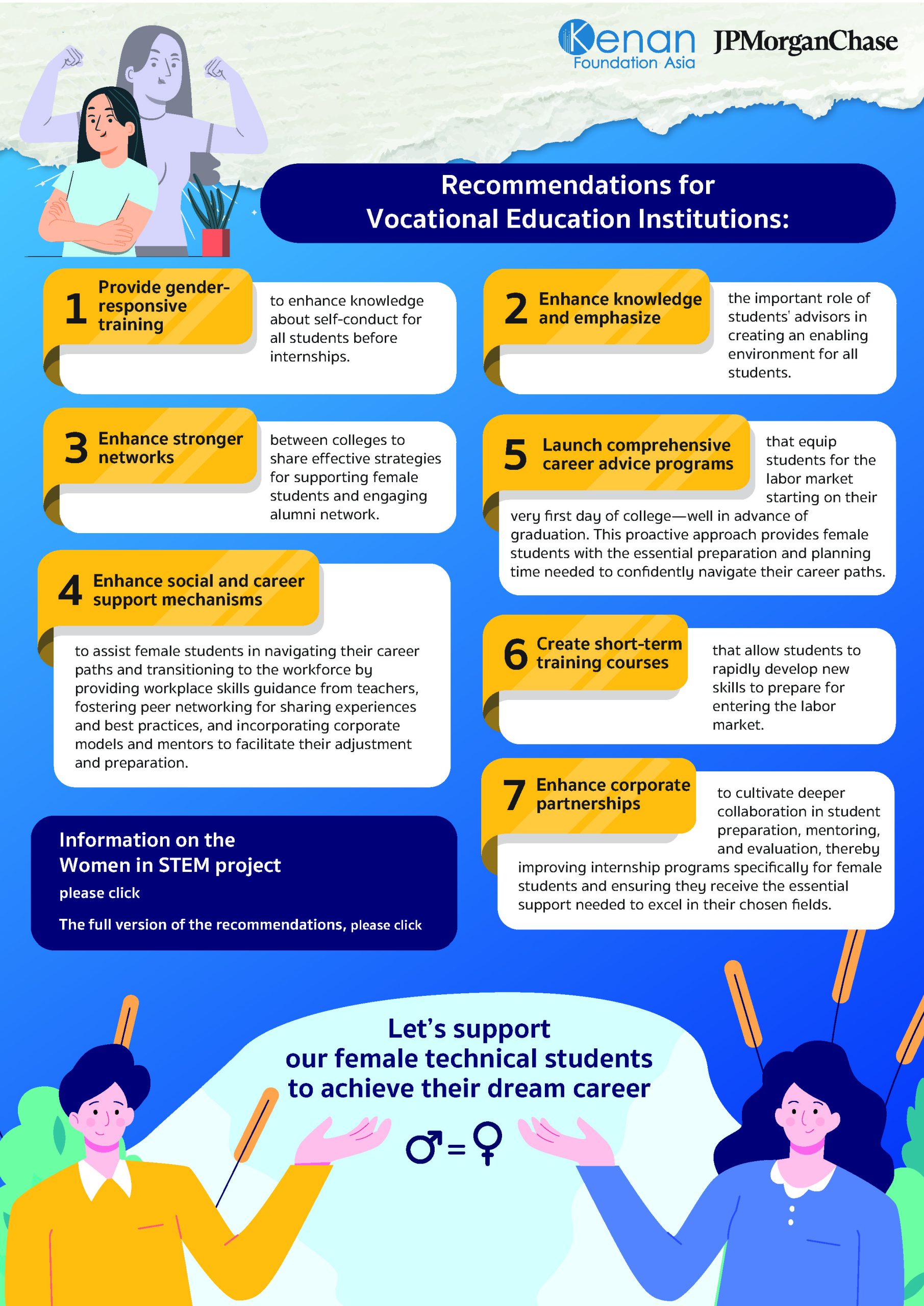
- Policy recommendations to promote female participation in STEM careers.
Expected Outcomes
- For Students: Female vocational students gain workplace skills, clear personal development goals, internship adaptability, and job-seeking competencies.
- For Teachers: Teachers can better prepare students for internships and develop skills in coaching and supporting students throughout internships.
- For Employers and Trainers: Employers and supervisors gain an inclusive perspective on training diverse groups, enhancing learning from internship experiences.